THE ADVENTURE COLLECTIVE® · Independent discovery and booking for outdoor travel

Swim two open sinkholes and explore two cavern cenotes at Casa Tortuga near Tulum. This guided 1.5-hour tour plus free time offers clear freshwater, stalactite caverns, and practical facilities for a full half-day visit.
Swim two open sinkholes and explore two cavern cenotes at Casa Tortuga near Tulum. This guided 1.5-hour tour plus free time offers clear freshwater, stalactite caverns, and practical facilities for a full half-day visit.
The first step off the path is into cool shadow and water — light skitters across a limestone lip and the cenote holds its breath, inviting you in. At Casa Tortuga, visitors move between two sun-open sinkholes and two cavern cenotes, where shafts of daylight cut through caverns and reveal stalactites overhead.
Verified experiences and guided adventures in the surrounding area.
Operated by GALACTIC TRANSFERS · Tulum, Quintana Roo
The first step off the path is into cool shadow and water — light skitters across a limestone lip and the cenote holds its breath, inviting you in. At Casa Tortuga, visitors move between two sun-open sinkholes and two cavern cenotes, where shafts of daylight cut through caverns and reveal stalactites overhead.
These cenotes sit on the Yucatán karst, a region carved by groundwater over millennia. The cave cenotes expose layers of fossilized coral and dripstone, while the open cenotes tap directly into the subterranean river system that once guided ancient Maya trade and ritual. Guides at Casa Tortuga weave geology with local history: cenotes were freshwater lifelines and sacred sites for Maya communities, and many nearby features still carry names and stories passed down by locals.
Expect a practical, water-forward day: guided walkthroughs of the caverns last roughly 1.5 hours, then free time in the open sinks until park closing. The terrain is short but uneven — wooden steps, slick stone, and narrow cavern ledges — so movement is deliberate. Water is clear and buoyant; life jackets are provided for snorkeling and floating. Facilities include bathrooms, parking, hammocks and shaded rest spots.
Plan for sun and humidity: arrive early to avoid peak heat, use reef-safe sunscreen, and bring water-resistant footwear. Photography works best in morning light inside the open cenotes; cave photos benefit from a stable hand or small tripod. Respect the site: rinse off sunscreen and avoid touching formations. The visit balances easy swimming with short sections of careful scrambling, delivering a compact, sensory encounter with Yucatán’s hidden freshwater network.
easy.
3–4 hours.
Suitable for people in casual to good physical condition; involves short uneven walks, steps, and swimming.
Guides lead a tour of the four cenotes for about 1.5 hours; after that you may stay in the open cenotes until park closing, making the total visit typically 3–4 hours.
Life jackets are provided and the caverns are suitable for cautious non-swimmers, but some areas require short swims or flotation; discuss concerns with guides on arrival.
Basic life jackets and access to the water are included; bring your own snorkel gear for a better experience or confirm rental availability in advance.
The site has uneven stone and steps; while strollers can be used in some areas, the cavern sections are not fully accessible for visitors with significant mobility limitations.
Cenotes were central to Maya life as freshwater sources and ritual sites; many in the Tulum area were travel and trade waypoints for coastal communities.
The Yucatán aquifer is sensitive to pollution and overuse; visitors should use biodegradable products, avoid contaminating the water, and follow local rules to protect formations and fauna.
GALACTIC TRANSFERS operates guided outdoor trips and adventures with an emphasis on safety, stewardship, and memorable experiences.
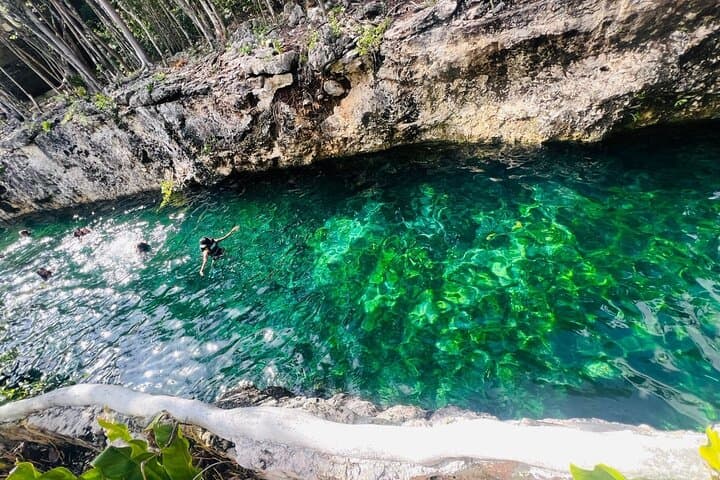
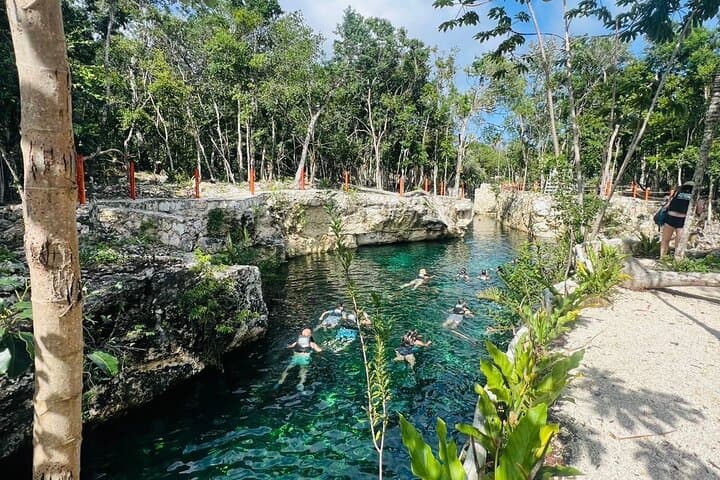
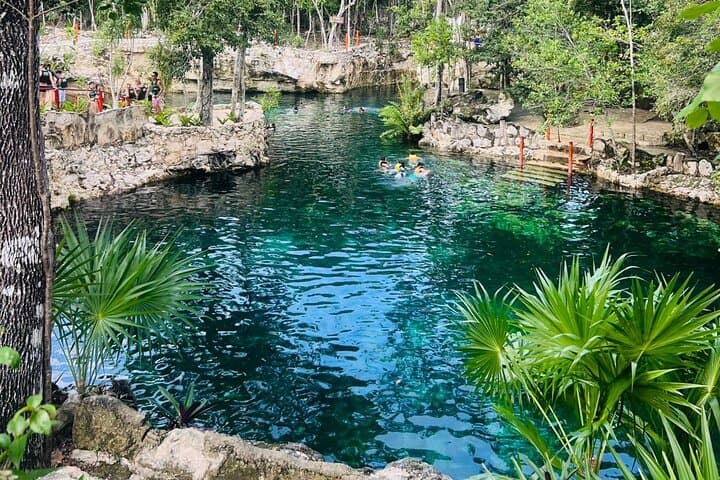
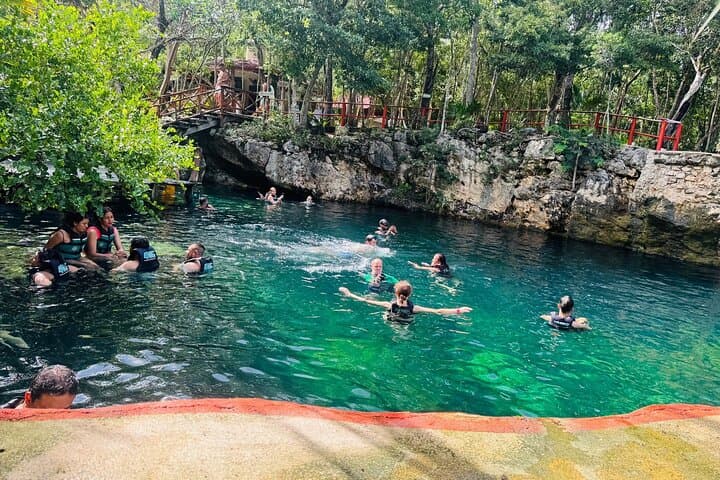
The first step off the path is into cool shadow and water — light skitters across a limestone lip and the cenote holds its breath, inviting you in. At Casa Tortuga, visitors move between two sun-open sinkholes and two cavern cenotes, where shafts of daylight cut through caverns and reveal stalactites overhead.
The first step off the path is into cool shadow and water — light skitters across a limestone lip and the cenote holds its breath, inviting you in. At Casa Tortuga, visitors move between two sun-open sinkholes and two cavern cenotes, where shafts of daylight cut through caverns and reveal stalactites overhead.
These cenotes sit on the Yucatán karst, a region carved by groundwater over millennia. The cave cenotes expose layers of fossilized coral and dripstone, while the open cenotes tap directly into the subterranean river system that once guided ancient Maya trade and ritual. Guides at Casa Tortuga weave geology with local history: cenotes were freshwater lifelines and sacred sites for Maya communities, and many nearby features still carry names and stories passed down by locals.
Expect a practical, water-forward day: guided walkthroughs of the caverns last roughly 1.5 hours, then free time in the open sinks until park closing. The terrain is short but uneven — wooden steps, slick stone, and narrow cavern ledges — so movement is deliberate. Water is clear and buoyant; life jackets are provided for snorkeling and floating. Facilities include bathrooms, parking, hammocks and shaded rest spots.
Plan for sun and humidity: arrive early to avoid peak heat, use reef-safe sunscreen, and bring water-resistant footwear. Photography works best in morning light inside the open cenotes; cave photos benefit from a stable hand or small tripod. Respect the site: rinse off sunscreen and avoid touching formations. The visit balances easy swimming with short sections of careful scrambling, delivering a compact, sensory encounter with Yucatán’s hidden freshwater network.