THE ADVENTURE COLLECTIVE® · Independent discovery and booking for outdoor travel

As darkness envelops Nicaragua’s volcanic massif, Masaya Volcano reveals a molten lake that glows with incandescent power. This accessible night tour combines geological spectacle with rich history—here’s what you need to know before you go.
As darkness envelops Nicaragua’s volcanic massif, Masaya Volcano reveals a molten lake that glows with incandescent power. This accessible night tour combines geological spectacle with rich history—here’s what you need to know before you go.
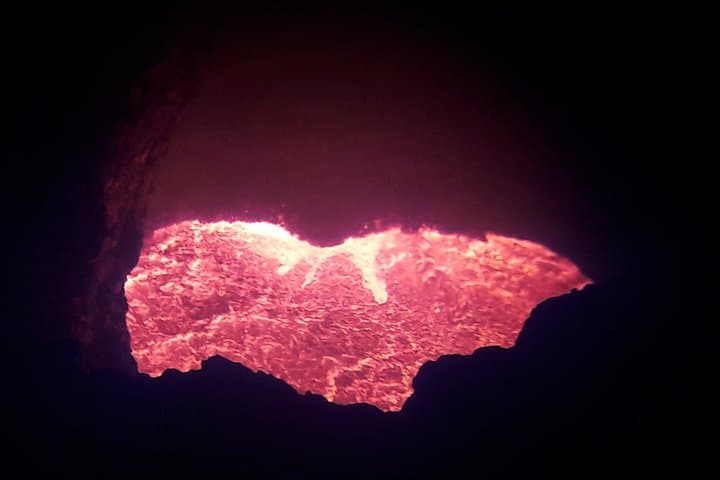
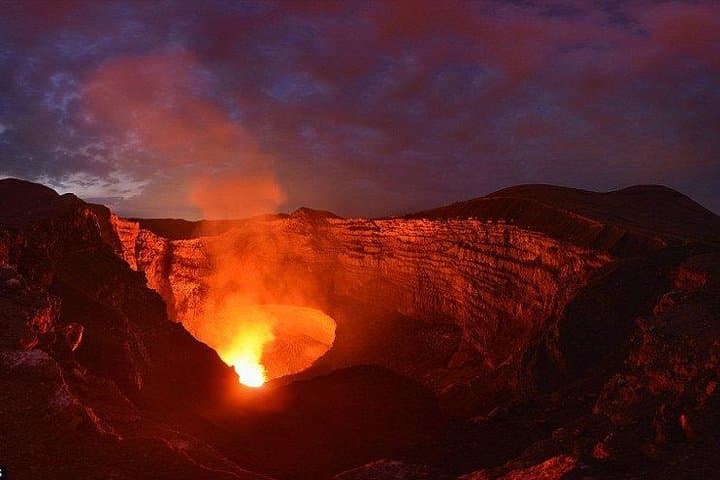
As night descends over Nicaragua’s volcanic landscape, Masaya Volcano stirs from its slumber, daring visitors to witness its glowing heart. Located within Masaya Volcano National Park, the volcano looms over the surrounding terrain with a presence that humbles and electrifies. Approaching after sunset, the air cools, the sky blackens, and countless stars stretch overhead like a cosmic canopy. The earth’s molten core reveals itself in the crater’s incandescent lava lake, glowing an intense orange-red that pushes against the night’s darkness.
Verified experiences and guided adventures in the surrounding area.
Operated by Next Adventure Nicaragua · Masaya, Masaya
As night descends over Nicaragua’s volcanic landscape, Masaya Volcano stirs from its slumber, daring visitors to witness its glowing heart. Located within Masaya Volcano National Park, the volcano looms over the surrounding terrain with a presence that humbles and electrifies. Approaching after sunset, the air cools, the sky blackens, and countless stars stretch overhead like a cosmic canopy. The earth’s molten core reveals itself in the crater’s incandescent lava lake, glowing an intense orange-red that pushes against the night’s darkness.
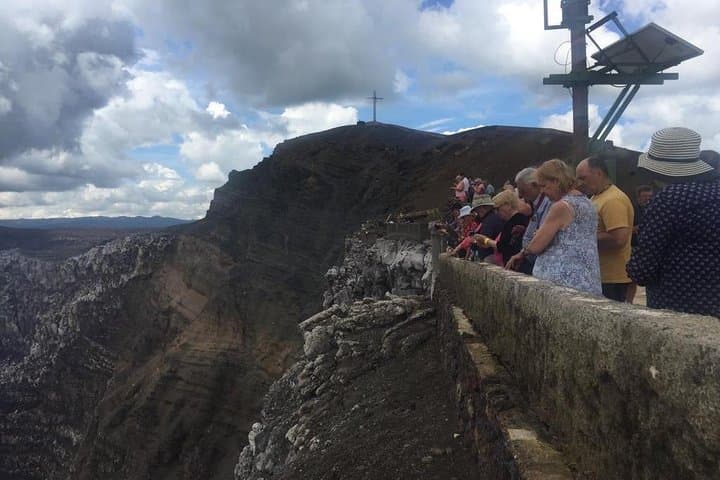
Masaya Volcano has long held a powerful place in local lore. Indigenous peoples revered it with cautious respect, while Spanish conquerors, unsettled by its eruptions, named it “La Boca del Infierno” — the Mouth of Hell. The cross placed on the crater’s edge in the 16th century, La Cruz de Bobadilla, aimed to ward off what they saw as malevolent forces. Today, visitors can experience that fiery legacy firsthand, witnessing a lava lake one of the few of its kind accessible by vehicle.
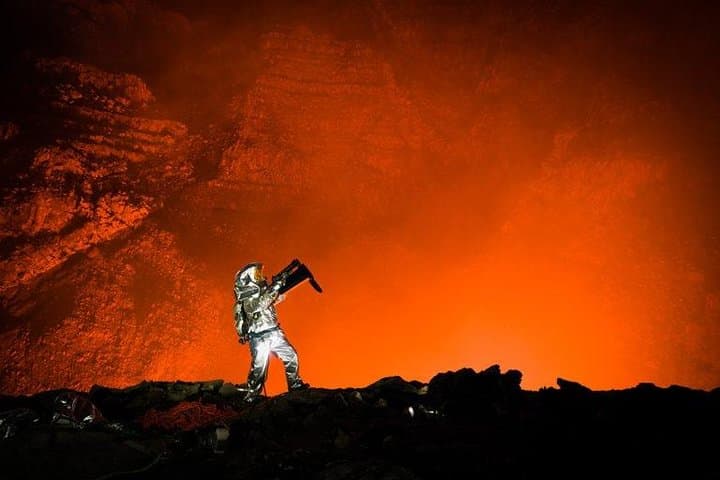
Geologically, the park spans about 54 square kilometers and contains two volcanoes and five craters. Masaya’s steady activity offers a rare window into volcanic processes with lava visibly churning and occasionally bubbling from the crater’s depths. The terrain around the summit combines rugged volcanic rock with patches of hardy shrubbery that sway under the night breeze, lending an otherworldly feel.
The night tour departs around 4 PM, with transfers from Granada or Managua hotels included. After a brief drive, you ascend to the crater’s lip where you’ll linger for 10 to 20 minutes. The volcano’s low roar mimics distant waves, a sonic reminder of the earth’s restless power beneath your feet. Guides provide bilingual narration, weaving history and geological context, enhancing the aura around the glowing river of magma.
For travelers, practical preparation ensures comfort: sturdy shoes navigate uneven volcanic surfaces, and layering is key as temperatures drop after dusk. Carry water to stay hydrated in the dry volcanic air, and a rain jacket if visiting during the wetter months. The crater viewing window is tight, so patience is needed during queues.
Masaya Volcano’s night glow offers unparalleled immediacy with one of nature’s most elemental forces. From a practical standpoint, the experience is accessible, safe, and deeply memorable—an essential adventure for those drawn to active geology and cultural narratives wrapped in fire and shadow.
moderate.
2–3 hours.
Suitable for travelers in average physical condition; minimal hiking involved but uneven terrain requires balance.
Yes, the tour is considered easy to moderate and suitable for most ages, including children and seniors, but mobility limitations should be considered due to uneven surfaces near the crater.
Yes, Masaya Volcano’s lava lake is typically active during the night tours, offering one of the rare opportunities to see flowing magma safely from the crater rim.
Tours usually start at 4 PM at sunset and last about 2 to 3 hours depending on group size and traffic conditions.
Yes, the tour includes transportation from Granada or Managua and entrance fees to Masaya Volcano National Park.
No, the driver takes visitors close to the summit by vehicle; only a short walk on uneven volcanic terrain is required to reach the crater’s edge.
Bring comfortable shoes, layers for warmth, a water bottle, and optionally a flashlight for use before and after the tour.
Masaya Volcano has erupted sporadically for over 2,000 years, influencing indigenous rituals and later Spanish colonial superstitions.
The park maintains strict visitor limits to protect fragile volcanic terrain and minimize human impact on the natural volcanic landscape.
Next Adventure Nicaragua operates guided outdoor trips and adventures with an emphasis on safety, stewardship, and memorable experiences.
As night descends over Nicaragua’s volcanic landscape, Masaya Volcano stirs from its slumber, daring visitors to witness its glowing heart. Located within Masaya Volcano National Park, the volcano looms over the surrounding terrain with a presence that humbles and electrifies. Approaching after sunset, the air cools, the sky blackens, and countless stars stretch overhead like a cosmic canopy. The earth’s molten core reveals itself in the crater’s incandescent lava lake, glowing an intense orange-red that pushes against the night’s darkness.
As night descends over Nicaragua’s volcanic landscape, Masaya Volcano stirs from its slumber, daring visitors to witness its glowing heart. Located within Masaya Volcano National Park, the volcano looms over the surrounding terrain with a presence that humbles and electrifies. Approaching after sunset, the air cools, the sky blackens, and countless stars stretch overhead like a cosmic canopy. The earth’s molten core reveals itself in the crater’s incandescent lava lake, glowing an intense orange-red that pushes against the night’s darkness.
Masaya Volcano has long held a powerful place in local lore. Indigenous peoples revered it with cautious respect, while Spanish conquerors, unsettled by its eruptions, named it “La Boca del Infierno” — the Mouth of Hell. The cross placed on the crater’s edge in the 16th century, La Cruz de Bobadilla, aimed to ward off what they saw as malevolent forces. Today, visitors can experience that fiery legacy firsthand, witnessing a lava lake one of the few of its kind accessible by vehicle.
Geologically, the park spans about 54 square kilometers and contains two volcanoes and five craters. Masaya’s steady activity offers a rare window into volcanic processes with lava visibly churning and occasionally bubbling from the crater’s depths. The terrain around the summit combines rugged volcanic rock with patches of hardy shrubbery that sway under the night breeze, lending an otherworldly feel.
The night tour departs around 4 PM, with transfers from Granada or Managua hotels included. After a brief drive, you ascend to the crater’s lip where you’ll linger for 10 to 20 minutes. The volcano’s low roar mimics distant waves, a sonic reminder of the earth’s restless power beneath your feet. Guides provide bilingual narration, weaving history and geological context, enhancing the aura around the glowing river of magma.
For travelers, practical preparation ensures comfort: sturdy shoes navigate uneven volcanic surfaces, and layering is key as temperatures drop after dusk. Carry water to stay hydrated in the dry volcanic air, and a rain jacket if visiting during the wetter months. The crater viewing window is tight, so patience is needed during queues.
Masaya Volcano’s night glow offers unparalleled immediacy with one of nature’s most elemental forces. From a practical standpoint, the experience is accessible, safe, and deeply memorable—an essential adventure for those drawn to active geology and cultural narratives wrapped in fire and shadow.