THE ADVENTURE COLLECTIVE® · Independent discovery and booking for outdoor travel

Sit close to a low wooden stage and watch centuries‑old gestures come alive: the Apsara performance in Siem Reap pairs intimate classical dance with a traditional Khmer dinner. Expect cultural context, careful choreography, and a meal that keeps the evening communal.
Sit close to a low wooden stage and watch centuries‑old gestures come alive: the Apsara performance in Siem Reap pairs intimate classical dance with a traditional Khmer dinner. Expect cultural context, careful choreography, and a meal that keeps the evening communal.
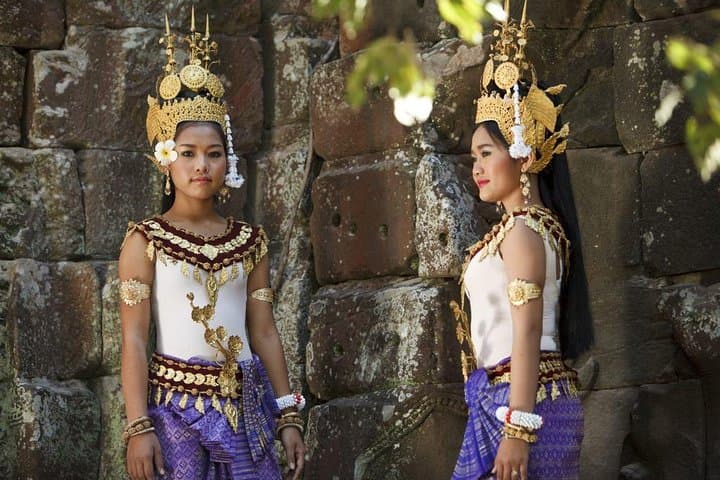
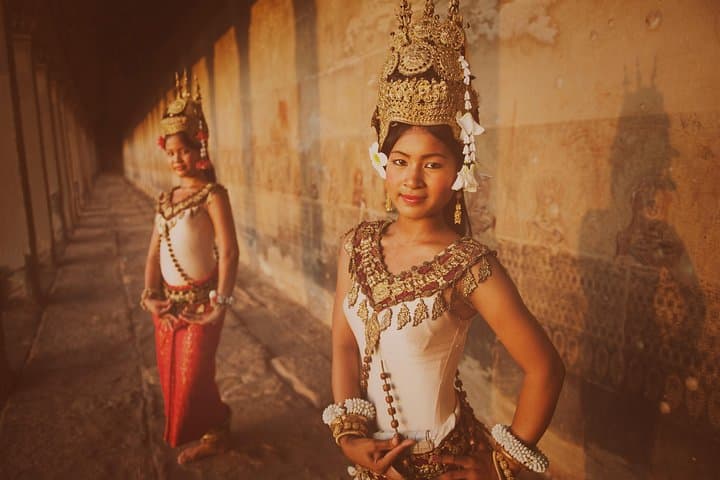
You step off the tuk‑tuk into dusk and follow the hush of conversation toward a low, wooden theatre. Lanterns throw a warm, honeyed light across carved pillars; musicians tune gongs and the air fills with slow, ringing rhythms. On stage the dancers appear—hair bound high, gilded crowns catching the light—hands articulating a language older than the nation around you.
Verified experiences and guided adventures in the surrounding area.
Operated by Green Cultural Travel · Siem Reap, Siem Reap
You step off the tuk‑tuk into dusk and follow the hush of conversation toward a low, wooden theatre. Lanterns throw a warm, honeyed light across carved pillars; musicians tune gongs and the air fills with slow, ringing rhythms. On stage the dancers appear—hair bound high, gilded crowns catching the light—hands articulating a language older than the nation around you.
The Apsara dance reaches back to Angkorian bas‑reliefs: depictions of celestial dancers that became a living practice in royal courts. The performance was nearly erased under the Khmer Rouge; today each measured movement is a reclamation as much as a ritual. Costumes reference mythic femininity—Apsaras are spirits of the sky in Hindu‑Buddhist lore—and the choreography emphasizes wrist and finger gestures that map seasons, devotion, and local stories.
After the show you move to a communal table for Khmer dishes—grilled fish, lemongrass soup, and rice—presented in family style. The venue often offers hotel pickup and is wheelchair accessible; guides usually contextualize the dance’s symbolism during the short transfer. Expect an intimate, stage‑close experience rather than a theatrical spectacle with blackout lighting.
Practicalities: plan on roughly four hours total including transfer and dinner; arrive with modest dress (shoulders and knees covered are appreciated), bring cash for gratuities, and confirm pickup time when booking. Photography may be limited—use a quiet camera and avoid flash. This is a cultural evening best enjoyed with curiosity and respect: listen, watch the hands, and let the past speak through precise movement.
easy.
4 hours.
No special fitness required; suitable for most travelers who can sit comfortably for a seated performance and dinner.
Most bookings include roundtrip hotel pickup in Siem Reap—confirm the pickup time and meeting point when you book.
Yes; children may attend but some operators require they share with paying adults and offer reduced child rates—check booking details.
Many venues list wheelchair access but accessibility can vary; contact the operator ahead of time to confirm specifics.
Photography rules vary by venue; flash is commonly prohibited—always ask staff before taking photos.
Apsara dance traces to Angkorian temple reliefs and was nearly purged under the Khmer Rouge; its current revival is both cultural recovery and performance art.
Supporting certified local venues and purchasing programs that employ traditional dancers helps sustain living cultural heritage and reduce pressure on fragile temple sites.
Green Cultural Travel operates guided outdoor trips and adventures with an emphasis on safety, stewardship, and memorable experiences.
You step off the tuk‑tuk into dusk and follow the hush of conversation toward a low, wooden theatre. Lanterns throw a warm, honeyed light across carved pillars; musicians tune gongs and the air fills with slow, ringing rhythms. On stage the dancers appear—hair bound high, gilded crowns catching the light—hands articulating a language older than the nation around you.
You step off the tuk‑tuk into dusk and follow the hush of conversation toward a low, wooden theatre. Lanterns throw a warm, honeyed light across carved pillars; musicians tune gongs and the air fills with slow, ringing rhythms. On stage the dancers appear—hair bound high, gilded crowns catching the light—hands articulating a language older than the nation around you.
The Apsara dance reaches back to Angkorian bas‑reliefs: depictions of celestial dancers that became a living practice in royal courts. The performance was nearly erased under the Khmer Rouge; today each measured movement is a reclamation as much as a ritual. Costumes reference mythic femininity—Apsaras are spirits of the sky in Hindu‑Buddhist lore—and the choreography emphasizes wrist and finger gestures that map seasons, devotion, and local stories.
After the show you move to a communal table for Khmer dishes—grilled fish, lemongrass soup, and rice—presented in family style. The venue often offers hotel pickup and is wheelchair accessible; guides usually contextualize the dance’s symbolism during the short transfer. Expect an intimate, stage‑close experience rather than a theatrical spectacle with blackout lighting.
Practicalities: plan on roughly four hours total including transfer and dinner; arrive with modest dress (shoulders and knees covered are appreciated), bring cash for gratuities, and confirm pickup time when booking. Photography may be limited—use a quiet camera and avoid flash. This is a cultural evening best enjoyed with curiosity and respect: listen, watch the hands, and let the past speak through precise movement.