THE ADVENTURE COLLECTIVE® · Independent discovery and booking for outdoor travel

Step onto a Noh stage, grill your own umegae mochi, and wander Dazaifu’s historic shrine and modern museum in a single, immersive day trip from Fukuoka. This guided tour pairs hands-on cultural practice with local flavors and curated museum exhibits.
Step onto a Noh stage, grill your own umegae mochi, and wander Dazaifu’s historic shrine and modern museum in a single, immersive day trip from Fukuoka. This guided tour pairs hands-on cultural practice with local flavors and curated museum exhibits.
You step across polished boards onto the Morimoto Noh stage and the room holds its breath: lacquered timber underfoot, the hush of a masked face awaiting the first slow, sliding step. A master guides your hands into costume, and the distinctive su- riashi slide becomes a practiced rhythm—each movement a conversation with centuries.
Verified experiences and guided adventures in the surrounding area.
Operated by H.I.S.Co., Ltd. · Dazaifu, Fukuoka Prefecture
You step across polished boards onto the Morimoto Noh stage and the room holds its breath: lacquered timber underfoot, the hush of a masked face awaiting the first slow, sliding step. A master guides your hands into costume, and the distinctive su- riashi slide becomes a practiced rhythm—each movement a conversation with centuries.
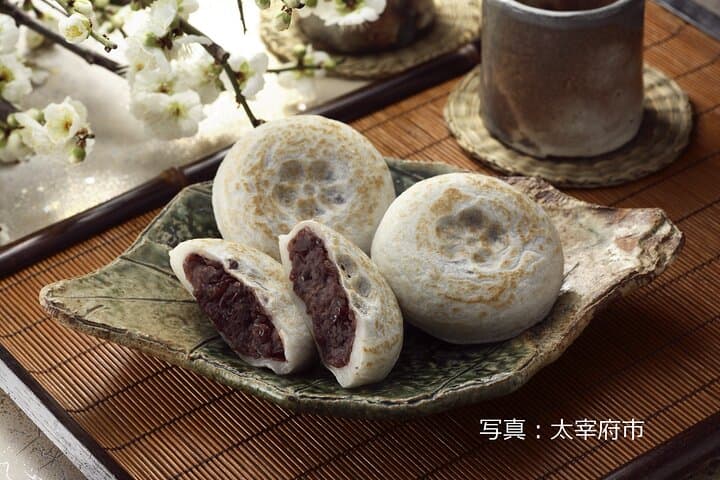
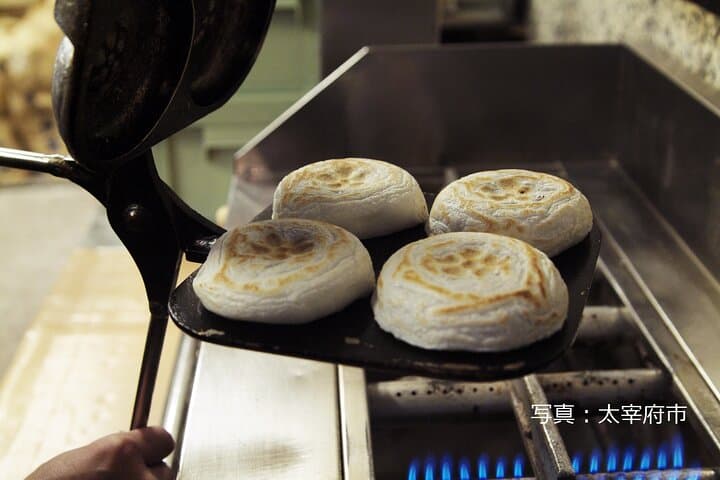
The day extends beyond performance. Dazaifu’s lanes lead to Dazaifu Tenmangu, a shrine honoring Sugawara no Michizane whose history spans more than a millennium, and to the modern sweep of the Kyushu National Museum, where displays trace Kyushu’s role as Japan’s gateway to Asia. Between them, a hands-on umegae mochi grilling workshop brings a tactile, delicious pause: you’ll press, grill, and time a perfect golden crust.
Practical guidance: expect a roughly nine-hour outing that includes guided transport from Fukuoka and timed entries. Wear comfortable, flat shoes for shrine paths and the theater platform; bring cash for casual purchases and any museum extras. Respect shrine etiquette—remove hats, speak softly, and follow local signs—and follow your guide’s instructions during the Noh session to avoid damaging traditional garments or props.
This itinerary blends living art, local foodcraft, and museum storytelling into a single, accessible day trip. It’s immersive but low-impact: a chance to inhabit Japanese performance practice briefly, taste a regional specialty, and learn why Dazaifu remains a quiet center of culture and study.
easy.
9 hours.
Suitable for most fitness levels; requires standing and light walking on uneven surfaces
Yes—an air‑conditioned vehicle is provided for transfers between Fukuoka and Dazaifu; confirm your pickup location with the operator after booking.
No prior experience is required; the session is designed for beginners and led by an experienced practitioner who teaches basic movements and etiquette.
The tour lists wheelchair-accessible options for transportation and many stops, but some historic areas and the Noh stage may have steps—notify the operator of needs when booking.
Yes—there is scheduled time in Dazaifu for lunch on your own and browsing shops near the shrine, though exact time can shift with traffic or group size.
Dazaifu grew as the regional administrative center from the Nara period and Dazaifu Tenmangu became a major pilgrimage site dedicated to scholar Sugawara no Michizane; Noh dates back over 650 years as Japan’s classical stage art.
Shrine grounds and museum programs emphasize preservation of cultural assets and seasonal plantings; visitors are asked to stick to paths, avoid feeding wildlife, and minimize waste.
H.I.S.Co., Ltd. operates guided outdoor trips and adventures with an emphasis on safety, stewardship, and memorable experiences.
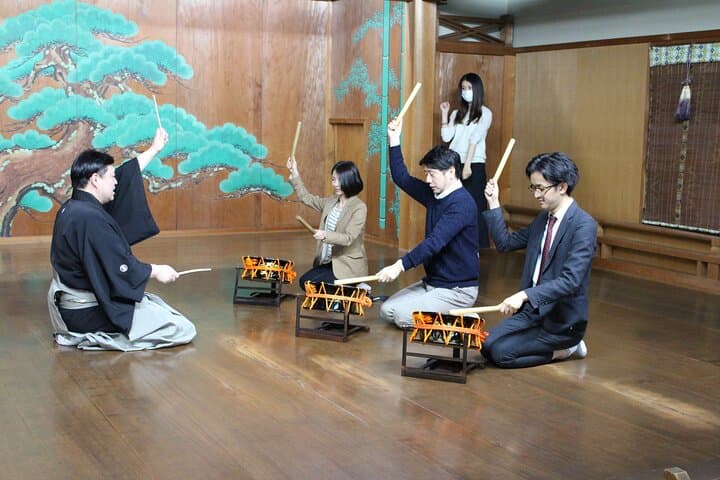
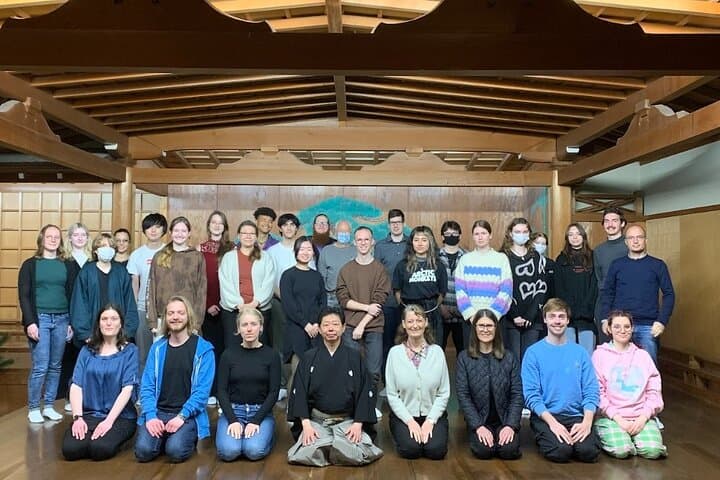
You step across polished boards onto the Morimoto Noh stage and the room holds its breath: lacquered timber underfoot, the hush of a masked face awaiting the first slow, sliding step. A master guides your hands into costume, and the distinctive su- riashi slide becomes a practiced rhythm—each movement a conversation with centuries.
You step across polished boards onto the Morimoto Noh stage and the room holds its breath: lacquered timber underfoot, the hush of a masked face awaiting the first slow, sliding step. A master guides your hands into costume, and the distinctive su- riashi slide becomes a practiced rhythm—each movement a conversation with centuries.
The day extends beyond performance. Dazaifu’s lanes lead to Dazaifu Tenmangu, a shrine honoring Sugawara no Michizane whose history spans more than a millennium, and to the modern sweep of the Kyushu National Museum, where displays trace Kyushu’s role as Japan’s gateway to Asia. Between them, a hands-on umegae mochi grilling workshop brings a tactile, delicious pause: you’ll press, grill, and time a perfect golden crust.
Practical guidance: expect a roughly nine-hour outing that includes guided transport from Fukuoka and timed entries. Wear comfortable, flat shoes for shrine paths and the theater platform; bring cash for casual purchases and any museum extras. Respect shrine etiquette—remove hats, speak softly, and follow local signs—and follow your guide’s instructions during the Noh session to avoid damaging traditional garments or props.
This itinerary blends living art, local foodcraft, and museum storytelling into a single, accessible day trip. It’s immersive but low-impact: a chance to inhabit Japanese performance practice briefly, taste a regional specialty, and learn why Dazaifu remains a quiet center of culture and study.