THE ADVENTURE COLLECTIVE® · Independent discovery and booking for outdoor travel

Feel the roar as masked wrestlers fly through the air at Arena México. This practical guide explains the show’s history, what to expect inside the arena, and tips to make the evening run smoothly.
Feel the roar as masked wrestlers fly through the air at Arena México. This practical guide explains the show’s history, what to expect inside the arena, and tips to make the evening run smoothly.
You step out of a cool, air‑conditioned minivan into a pulsing ring of light: Arena México's facade throbs with posters, vendors hawk foam masks, and the city hum fades into a soundtrack of horns and chants. Inside, spotlights cut across a square canvas where bodies fly, land, and spring back—Lucha Libre grabs you with motion, color, and a crowd that cheers like it's part of the act.
Verified experiences and guided adventures in the surrounding area.
Operated by Vuela Viajero · Mexico City, Ciudad de México
You step out of a cool, air‑conditioned minivan into a pulsing ring of light: Arena México's facade throbs with posters, vendors hawk foam masks, and the city hum fades into a soundtrack of horns and chants. Inside, spotlights cut across a square canvas where bodies fly, land, and spring back—Lucha Libre grabs you with motion, color, and a crowd that cheers like it's part of the act.
Lucha Libre in Mexico City traces to the 1930s and promoters like Salvador Lutteroth who formalized the masked wrestler and the tecnico vs. rudo narrative. Arena México, opened mid‑20th century, became the sport’s cathedral—its wooden ring and pyrotechnics layered over a city built on an ancient lakebed; beneath your feet, the Basin of Mexico’s soft clay tells a geological story of rise, fall and constant human reinvention.
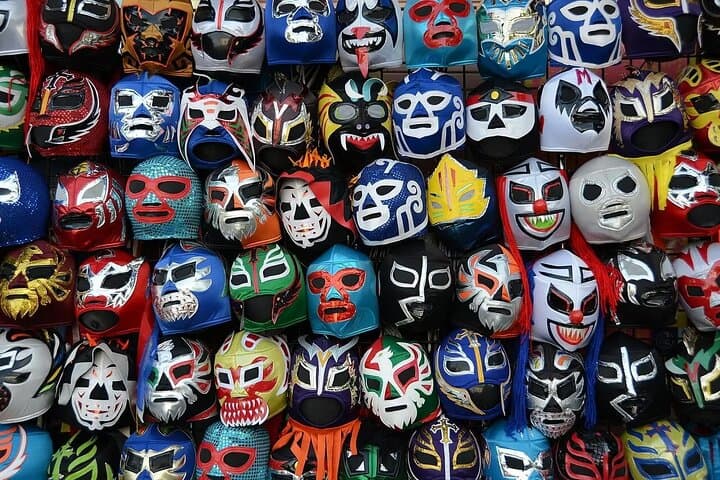
Culturally, the mask is currency: heroes, villains, and the audience’s relationship to them are ritualized. Expect choreography, aerial acrobatics, and a rhythm that alternates between staged drama and athletic spectacle—vendors, chants, and playful heckling are part of the score.
Practical guidance: shows run about 3–3.5 hours. Arrive early to pick seats and buy refreshments; bring small bills for vendors and tipping. Security checks are common; loud crowd noise and smoke effects are normal. Wear comfortable shoes for standing lines, and consider ear protection if you’re sensitive to loud music and cheers.
This is an urban, accessible cultural night out—immersive, theatrical, and uncomplicated to enjoy if you come prepared to watch, cheer, and join the crowd.
easy.
3–3.5 hours.
No special fitness required; must be able to stand and navigate stairs for seating.
Expect about 3 to 3.5 hours including multiple matches, entrances and intermissions.
Cancellation and refund policies vary by vendor; check your booking terms—many providers allow refunds up to 24 hours before the show.
Shows are popular with families and tourists, but expect loud noise and occasional theatrical violence; parental discretion advised for young children.
Small personal cameras and phones are usually allowed, but flash photography may be restricted—follow venue staff instructions.
Lucha Libre formalized as a national spectacle in the 1930s; Arena México became the sport’s flagship venue mid‑20th century and remains central to its modern identity.
Large events generate waste and noise—patrons can help by using venue bins and avoiding single‑use plastics; local promoters increasingly emphasize crowd management and litter reduction.
Vuela Viajero operates guided outdoor trips and adventures with an emphasis on safety, stewardship, and memorable experiences.
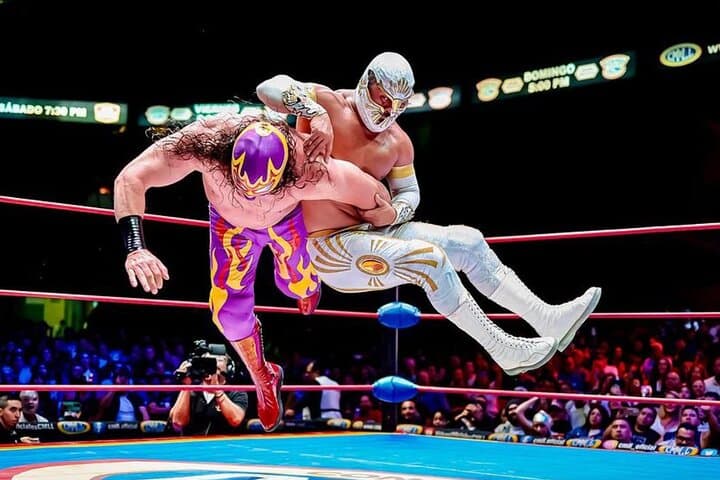
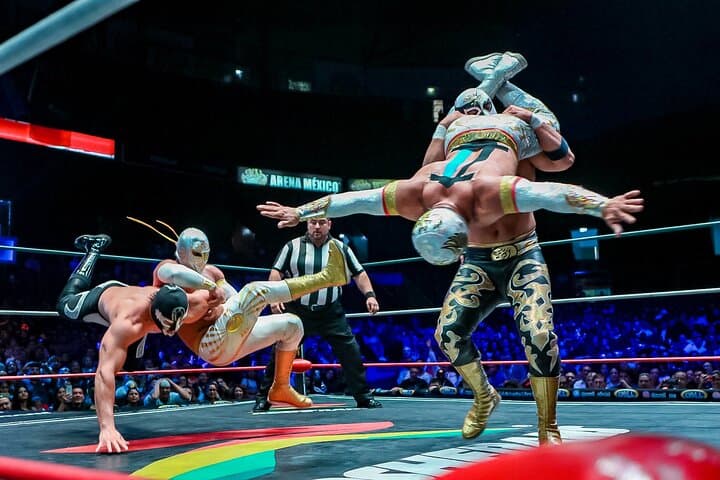
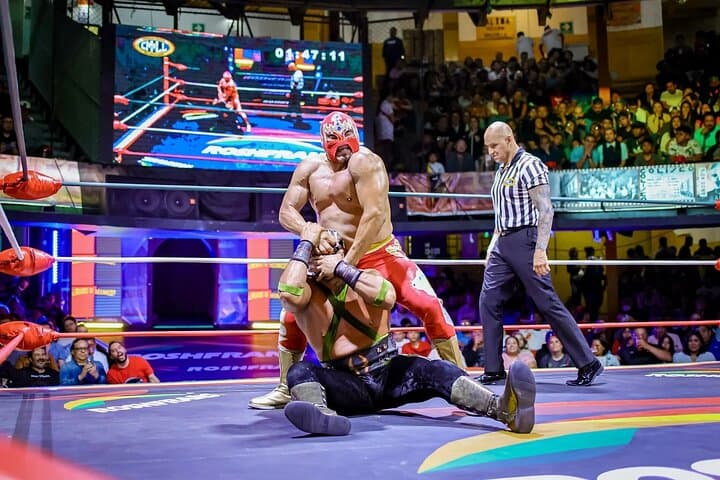
You step out of a cool, air‑conditioned minivan into a pulsing ring of light: Arena México's facade throbs with posters, vendors hawk foam masks, and the city hum fades into a soundtrack of horns and chants. Inside, spotlights cut across a square canvas where bodies fly, land, and spring back—Lucha Libre grabs you with motion, color, and a crowd that cheers like it's part of the act.
You step out of a cool, air‑conditioned minivan into a pulsing ring of light: Arena México's facade throbs with posters, vendors hawk foam masks, and the city hum fades into a soundtrack of horns and chants. Inside, spotlights cut across a square canvas where bodies fly, land, and spring back—Lucha Libre grabs you with motion, color, and a crowd that cheers like it's part of the act.
Lucha Libre in Mexico City traces to the 1930s and promoters like Salvador Lutteroth who formalized the masked wrestler and the tecnico vs. rudo narrative. Arena México, opened mid‑20th century, became the sport’s cathedral—its wooden ring and pyrotechnics layered over a city built on an ancient lakebed; beneath your feet, the Basin of Mexico’s soft clay tells a geological story of rise, fall and constant human reinvention.
Culturally, the mask is currency: heroes, villains, and the audience’s relationship to them are ritualized. Expect choreography, aerial acrobatics, and a rhythm that alternates between staged drama and athletic spectacle—vendors, chants, and playful heckling are part of the score.
Practical guidance: shows run about 3–3.5 hours. Arrive early to pick seats and buy refreshments; bring small bills for vendors and tipping. Security checks are common; loud crowd noise and smoke effects are normal. Wear comfortable shoes for standing lines, and consider ear protection if you’re sensitive to loud music and cheers.
This is an urban, accessible cultural night out—immersive, theatrical, and uncomplicated to enjoy if you come prepared to watch, cheer, and join the crowd.