THE ADVENTURE COLLECTIVE® · Independent discovery and booking for outdoor travel

Climb the dramatic Le Morne Brabant Mountain at dawn to witness Mauritius’ stunning sunrise and discover its deep cultural legacy. This guided hike combines challenging terrain with breathtaking views and island history.
Climb the dramatic Le Morne Brabant Mountain at dawn to witness Mauritius’ stunning sunrise and discover its deep cultural legacy. This guided hike combines challenging terrain with breathtaking views and island history.
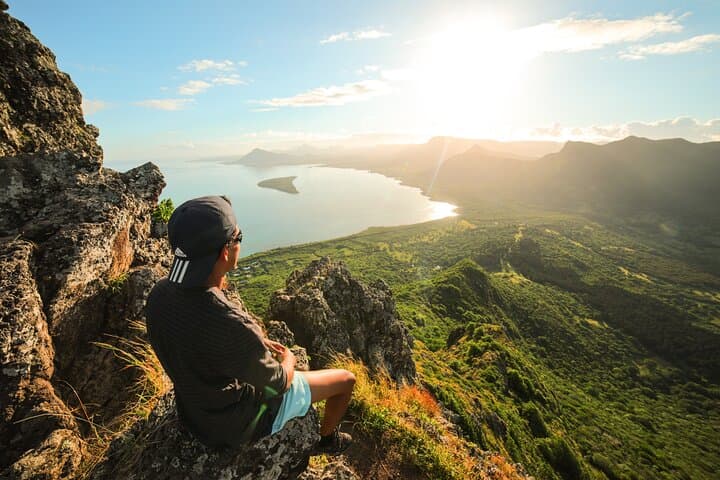
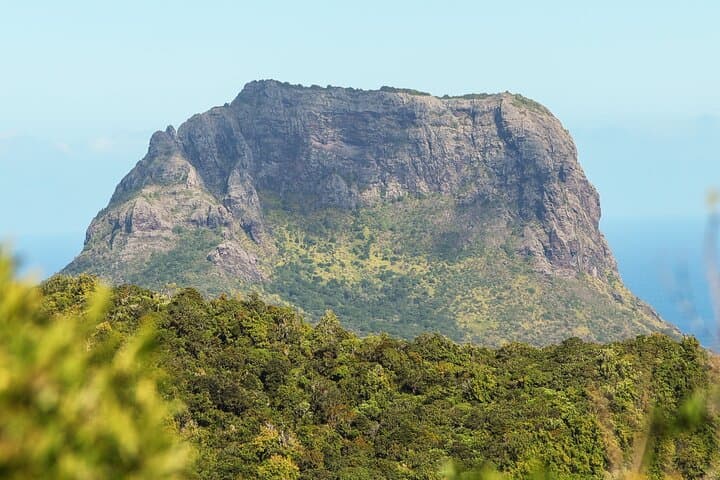
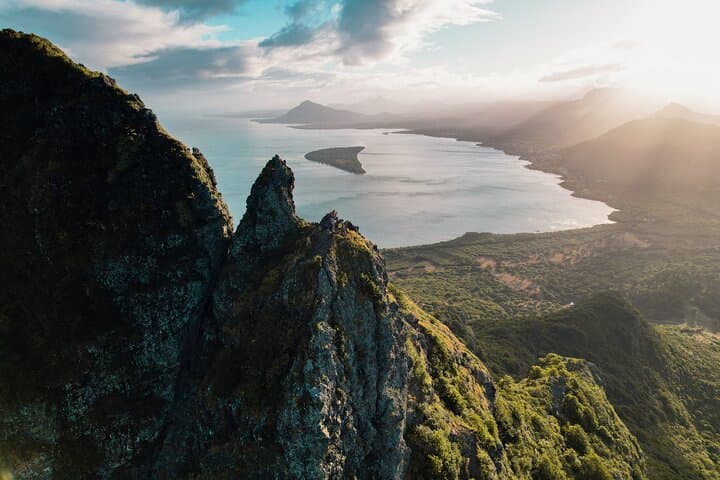
At the southwestern tip of Mauritius, the first light of dawn spills over the rugged silhouette of Le Morne Brabant, a UNESCO World Heritage Site steeped in history and natural wonder. This hike and climb begins in the cool early morning, with a local mountaineer leading the way through dense pockets of endemic flora. The path quickly demands attention—rock scrambles and steep climbs challenge both balance and resolve as the mountain’s granite face welcomes each step.
Verified experiences and guided adventures in the surrounding area.
Operated by Horazis · Le Morne
At the southwestern tip of Mauritius, the first light of dawn spills over the rugged silhouette of Le Morne Brabant, a UNESCO World Heritage Site steeped in history and natural wonder. This hike and climb begins in the cool early morning, with a local mountaineer leading the way through dense pockets of endemic flora. The path quickly demands attention—rock scrambles and steep climbs challenge both balance and resolve as the mountain’s granite face welcomes each step.
Le Morne’s geology is a story carved in stone, rising sharply from the surrounding plains like a fortress guarding stories of resilience. Named after the mountain’s distinctive shape, it once served as a refuge for runaway slaves in the 18th and 19th centuries. Today, hikers tread paths that connect them to this poignant past while encountering Trochetia Boutoniana, Mauritius’ national flower, dangling delicately among the rugged vegetation. The climb culminates at a memorial cross perched at the summit, where the island’s east coast unrolls below in a patchwork of reefs and turquoise waves.
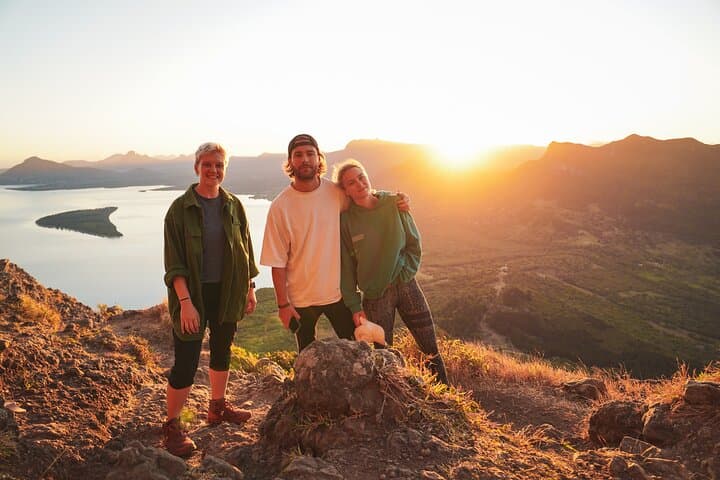
The early start rewards those willing to push upward with a sunrise that sets the sky aflame in golden hues, casting long shadows and transforming the landscape. The experience is equal parts physical exertion and contemplative pause, as you witness nature’s grandeur at a moment few catch.
Practically, the trek covers varied terrain with substantial elevation gain over roughly 3 to 4 hours. Expect rock scrambling sections requiring confident footing and some mountaineering experience. A moderate to high fitness level is essential; the trail is not recommended for those with vertigo, spinal issues, or poor cardiovascular health. Start early to avoid mid-day heat and to ensure the best light for photography.
Wear sturdy hiking shoes with good grip and layer your clothing to accommodate the tropical climate’s cool morning chill turning into midday warmth. Hydration is critical—carry plenty of water. Local guides provide snacks and transfer from nearby resorts, simplifying logistics.
Beyond the climb, take time to explore the peninsula’s calm lagoons or visit the Slave Route Monument in the nearby village—a sobering cultural visit tethered to the mountain’s legacy. This is a journey woven from rocks, history, and light that challenges the body and enriches the mind.
challenging.
3–4 hours.
Moderate to high fitness level required; capable of scrambling and steady climbing.
Start at least 30 minutes before sunrise to reach the summit as the sun rises and avoid the midday heat.
Some scrambling experience is beneficial due to sections of rock climbing, but guides assist along the way.
This hike is not recommended for travelers with vertigo, heart conditions, spinal issues, or low fitness levels.
It’s a challenging hike with steep climbs and scrambling sections, suitable for those in good physical condition.
Guides provide snacks, but carrying your own water is essential to stay hydrated.
Yes, free transfers are available for guests staying on the Le Morne peninsula.
Le Morne Brabant was a refuge for escaped slaves in the 18th century and is a symbol of freedom and resistance in the island’s history.
Efforts are ongoing to protect the unique endemic flora and faunal species threatened by invasive plants and human impact on the trail.
Horazis operates guided outdoor trips and adventures with an emphasis on safety, stewardship, and memorable experiences.
At the southwestern tip of Mauritius, the first light of dawn spills over the rugged silhouette of Le Morne Brabant, a UNESCO World Heritage Site steeped in history and natural wonder. This hike and climb begins in the cool early morning, with a local mountaineer leading the way through dense pockets of endemic flora. The path quickly demands attention—rock scrambles and steep climbs challenge both balance and resolve as the mountain’s granite face welcomes each step.
At the southwestern tip of Mauritius, the first light of dawn spills over the rugged silhouette of Le Morne Brabant, a UNESCO World Heritage Site steeped in history and natural wonder. This hike and climb begins in the cool early morning, with a local mountaineer leading the way through dense pockets of endemic flora. The path quickly demands attention—rock scrambles and steep climbs challenge both balance and resolve as the mountain’s granite face welcomes each step.
Le Morne’s geology is a story carved in stone, rising sharply from the surrounding plains like a fortress guarding stories of resilience. Named after the mountain’s distinctive shape, it once served as a refuge for runaway slaves in the 18th and 19th centuries. Today, hikers tread paths that connect them to this poignant past while encountering Trochetia Boutoniana, Mauritius’ national flower, dangling delicately among the rugged vegetation. The climb culminates at a memorial cross perched at the summit, where the island’s east coast unrolls below in a patchwork of reefs and turquoise waves.
The early start rewards those willing to push upward with a sunrise that sets the sky aflame in golden hues, casting long shadows and transforming the landscape. The experience is equal parts physical exertion and contemplative pause, as you witness nature’s grandeur at a moment few catch.
Practically, the trek covers varied terrain with substantial elevation gain over roughly 3 to 4 hours. Expect rock scrambling sections requiring confident footing and some mountaineering experience. A moderate to high fitness level is essential; the trail is not recommended for those with vertigo, spinal issues, or poor cardiovascular health. Start early to avoid mid-day heat and to ensure the best light for photography.
Wear sturdy hiking shoes with good grip and layer your clothing to accommodate the tropical climate’s cool morning chill turning into midday warmth. Hydration is critical—carry plenty of water. Local guides provide snacks and transfer from nearby resorts, simplifying logistics.
Beyond the climb, take time to explore the peninsula’s calm lagoons or visit the Slave Route Monument in the nearby village—a sobering cultural visit tethered to the mountain’s legacy. This is a journey woven from rocks, history, and light that challenges the body and enriches the mind.