THE ADVENTURE COLLECTIVE® · Independent discovery and booking for outdoor travel

Walk the original shoreline of New Amsterdam and hear how a small Dutch outpost became Manhattan. This compact, accessible hour-long tour stitches archaeology and local lore into a clear, urban walking route.
Walk the original shoreline of New Amsterdam and hear how a small Dutch outpost became Manhattan. This compact, accessible hour-long tour stitches archaeology and local lore into a clear, urban walking route.
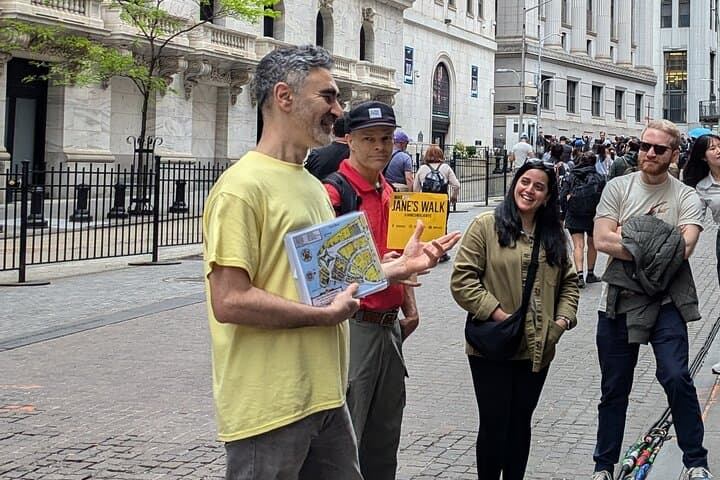
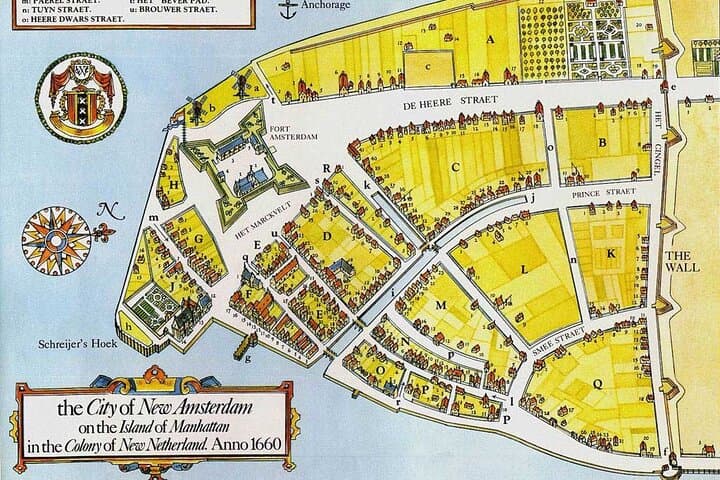
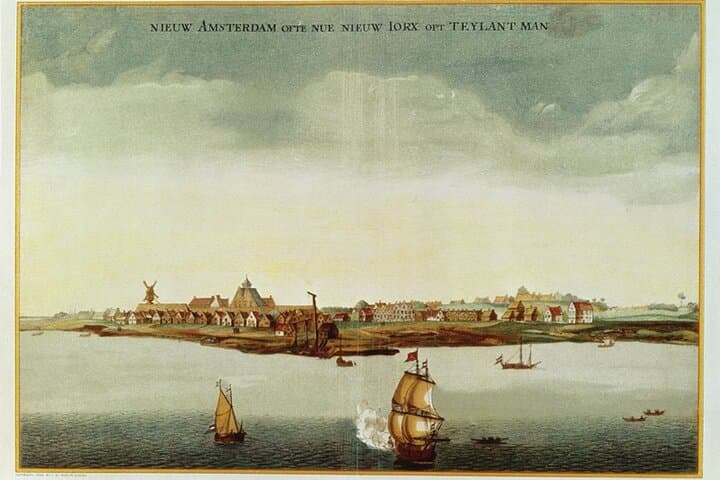
The wind off the harbor edges the promenade as you gather at the bronze Costello Plan in New Amsterdam Plein, a bronze map that flattens centuries into a pocket-sized city. From the South Ferry subway exit the guide points across the water toward Governor's Island — once Noten Eiland — and the story tightens: sailors, small wooden stockades, and the first stubborn plots of New Amsterdam.
Verified experiences and guided adventures in the surrounding area.
Operated by James · New York, NY
The wind off the harbor edges the promenade as you gather at the bronze Costello Plan in New Amsterdam Plein, a bronze map that flattens centuries into a pocket-sized city. From the South Ferry subway exit the guide points across the water toward Governor's Island — once Noten Eiland — and the story tightens: sailors, small wooden stockades, and the first stubborn plots of New Amsterdam.
This hour-long walk follows the coastline and compact streets where geology gave way to landfill and commerce. You’ll trace Fort Amsterdam’s footprint near the Battery, pass sites tied to early trade and slave labor, and end at the line where Wall Street began as a wooden palisade. The tour mixes archaeology and archival detail: how tidal marshes were filled, how Dutch law and commerce shaped street grids, and how arrivals from Africa and Europe altered the human landscape.
Expect paved sidewalks, minimal elevation gain, and frequent stops for storytelling rather than long walks — roughly 1–1.5 miles total. The terrain is fully accessible; strollers and wheelchairs can be accommodated, but bring a rain jacket for sudden squalls off the river and sensible shoes for cobbles on Stone Street.
Practical tips: arrive 10 minutes early at the South Ferry exit, carry a water bottle, and charge your phone for historic photos. If you want extra context, read about the Dutch West India Company and follow up with a visit to Fraunces Tavern or the nearby African Burial Ground for deeper context.
easy.
45–60 minutes.
Suitable for most fitness levels; involves short walking intervals and standing during explanations
The tour runs about 45–60 minutes and covers roughly 1–1.5 miles along paved sidewalks and waterfront paths.
Yes — the route and meeting point are listed as wheelchair and stroller accessible; notify in advance for any special requirements.
No — this is an external walking tour that stops at historic locations and viewpoints; museum admissions are not included.
The guide speaks English and Dutch and uses archaeological background to provide historical context.
The Dutch founded Fort Amsterdam in 1625 at the southern tip of Manhattan; their laws and trade practices laid foundations for the city’s later growth.
Lower Manhattan’s shoreline is heavily engineered; stay on paths and respect planted areas and memorials to minimize wear on fragile archaeological sites.
James operates guided outdoor trips and adventures with an emphasis on safety, stewardship, and memorable experiences.
The wind off the harbor edges the promenade as you gather at the bronze Costello Plan in New Amsterdam Plein, a bronze map that flattens centuries into a pocket-sized city. From the South Ferry subway exit the guide points across the water toward Governor's Island — once Noten Eiland — and the story tightens: sailors, small wooden stockades, and the first stubborn plots of New Amsterdam.
The wind off the harbor edges the promenade as you gather at the bronze Costello Plan in New Amsterdam Plein, a bronze map that flattens centuries into a pocket-sized city. From the South Ferry subway exit the guide points across the water toward Governor's Island — once Noten Eiland — and the story tightens: sailors, small wooden stockades, and the first stubborn plots of New Amsterdam.
This hour-long walk follows the coastline and compact streets where geology gave way to landfill and commerce. You’ll trace Fort Amsterdam’s footprint near the Battery, pass sites tied to early trade and slave labor, and end at the line where Wall Street began as a wooden palisade. The tour mixes archaeology and archival detail: how tidal marshes were filled, how Dutch law and commerce shaped street grids, and how arrivals from Africa and Europe altered the human landscape.
Expect paved sidewalks, minimal elevation gain, and frequent stops for storytelling rather than long walks — roughly 1–1.5 miles total. The terrain is fully accessible; strollers and wheelchairs can be accommodated, but bring a rain jacket for sudden squalls off the river and sensible shoes for cobbles on Stone Street.
Practical tips: arrive 10 minutes early at the South Ferry exit, carry a water bottle, and charge your phone for historic photos. If you want extra context, read about the Dutch West India Company and follow up with a visit to Fraunces Tavern or the nearby African Burial Ground for deeper context.