THE ADVENTURE COLLECTIVE® · Independent discovery and booking for outdoor travel

See Birmingham’s industrial roots, Victorian streets, and Civil Rights landmarks on a 3–4 hour guided driving tour that blends big attractions with local stops. Perfect for a half‑day primer into the city’s history and food scene.
See Birmingham’s industrial roots, Victorian streets, and Civil Rights landmarks on a 3–4 hour guided driving tour that blends big attractions with local stops. Perfect for a half‑day primer into the city’s history and food scene.
You arrive at Vulcan Park just as the morning light washes the cast‑iron figure in muted silver; the statue watches the city it once represented — iron and smoke made into skyline. The tour moves like a slow film reel: cobblestone streets, a Victorian district with gaslight echoes, and the hush of memorials where history pressed itself into pavement.
Verified experiences and guided adventures in the surrounding area.
Operated by The Birmingham Historic Touring Company · Birmingham, Alabama
You arrive at Vulcan Park just as the morning light washes the cast‑iron figure in muted silver; the statue watches the city it once represented — iron and smoke made into skyline. The tour moves like a slow film reel: cobblestone streets, a Victorian district with gaslight echoes, and the hush of memorials where history pressed itself into pavement.
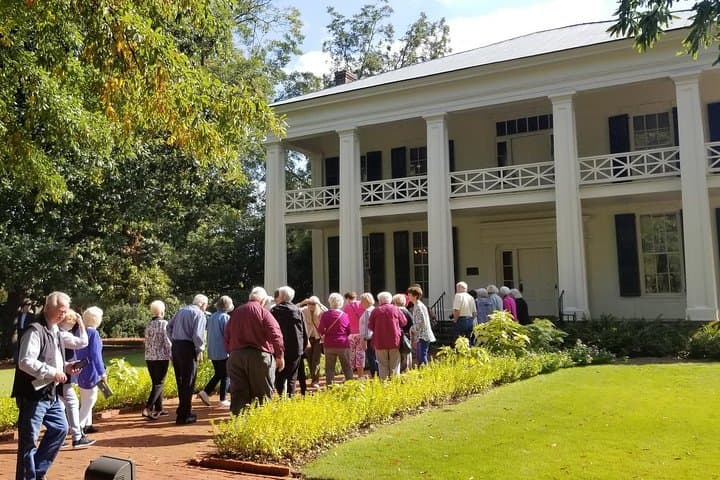
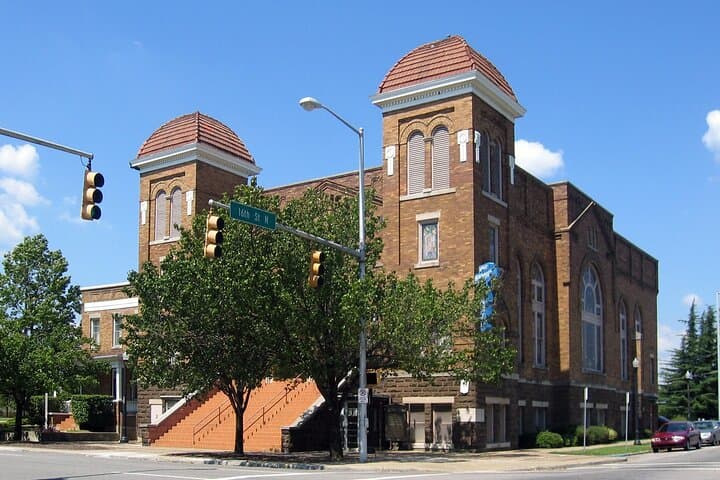
Birmingham’s story is plain in its surfaces — red clay, iron ore seams visible in the region’s geology, and the railway lines that spun industry into growth. The city grew on furnace heat and the labor of countless hands; on this half‑day drive you visit a plantation house that survives as a difficult reminder, then travel the Civil Rights District where marches and songs shifted national law.
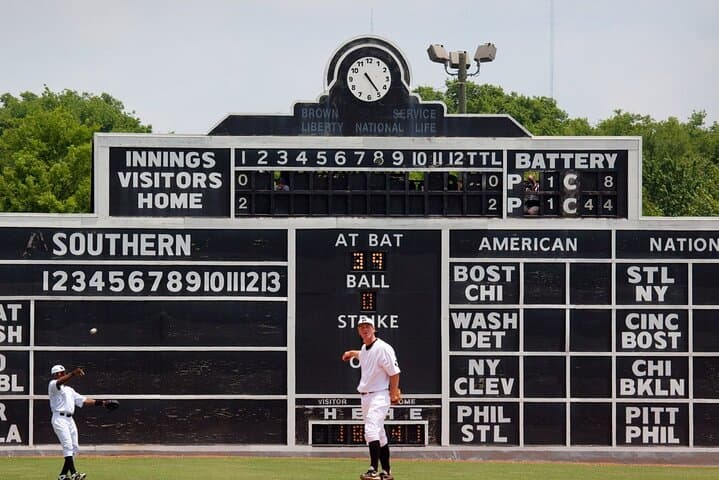
Cultural stops include Rickwood Field — the oldest ballpark in America — and tucked‑away food counters serving Southern staples and roadside peanuts. Local guides layer in sports lore, architectural notes, and stories that connect the Heaviest Corner on Earth to present‑day revitalization.
Practically: expect 3–4 hours with short walks at multiple stops and a mix of on‑board narration and guided time at sites. Bring comfortable shoes for uneven sidewalks, sun protection for exposed viewpoints at Vulcan, and a respectful tone at memorials. The tour is flexible — tell your guide if you prefer more time on civil rights history, architecture, or culinary stops. Water and chilled bottles are provided, but a refillable bottle and light jacket make the day easier. For photographers, the late afternoon light favors the statue and downtown façades; for cooler temperatures, layer up. This tour is an efficient primer on Birmingham’s complex past and lively present.
easy.
3–4 hours.
Suitable for people who can walk short distances and climb a few steps; a moderate level of mobility is recommended
The tour meets and ends at the Vulcan Park & Museum parking lot (1701 Valley View Dr); look for the ticket booth and sidewalk leading up to the statue.
The vehicle and many exterior viewpoints are accessible, but some historic sites include steps or uneven ground; contact the operator if you need specific accessibility accommodations.
Yes — the tour includes a stop at the Alabama Peanut Company with complimentary tastings; notify the operator about allergies in advance.
Full refunds are available if you cancel at least 24 hours before departure; tours can be canceled for bad weather per the operator’s policy.
Birmingham grew rapidly in the late 19th century on local iron ore, coal, and limestone — a combo that made it a southern industrial hub and shaped its architecture and labor history.
Visitors are encouraged to use provided water and minimize single‑use plastics; historic sites balance tourism with preservation, so follow posted rules to protect structures and memorials.
The Birmingham Historic Touring Company operates guided outdoor trips and adventures with an emphasis on safety, stewardship, and memorable experiences.
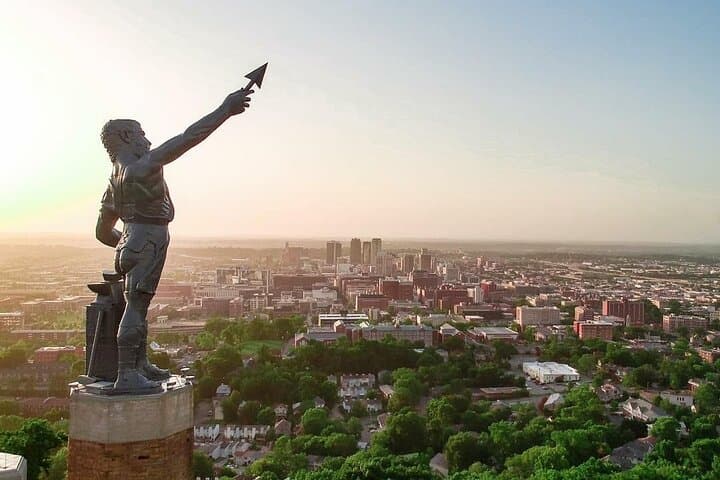
You arrive at Vulcan Park just as the morning light washes the cast‑iron figure in muted silver; the statue watches the city it once represented — iron and smoke made into skyline. The tour moves like a slow film reel: cobblestone streets, a Victorian district with gaslight echoes, and the hush of memorials where history pressed itself into pavement.
You arrive at Vulcan Park just as the morning light washes the cast‑iron figure in muted silver; the statue watches the city it once represented — iron and smoke made into skyline. The tour moves like a slow film reel: cobblestone streets, a Victorian district with gaslight echoes, and the hush of memorials where history pressed itself into pavement.
Birmingham’s story is plain in its surfaces — red clay, iron ore seams visible in the region’s geology, and the railway lines that spun industry into growth. The city grew on furnace heat and the labor of countless hands; on this half‑day drive you visit a plantation house that survives as a difficult reminder, then travel the Civil Rights District where marches and songs shifted national law.
Cultural stops include Rickwood Field — the oldest ballpark in America — and tucked‑away food counters serving Southern staples and roadside peanuts. Local guides layer in sports lore, architectural notes, and stories that connect the Heaviest Corner on Earth to present‑day revitalization.
Practically: expect 3–4 hours with short walks at multiple stops and a mix of on‑board narration and guided time at sites. Bring comfortable shoes for uneven sidewalks, sun protection for exposed viewpoints at Vulcan, and a respectful tone at memorials. The tour is flexible — tell your guide if you prefer more time on civil rights history, architecture, or culinary stops. Water and chilled bottles are provided, but a refillable bottle and light jacket make the day easier. For photographers, the late afternoon light favors the statue and downtown façades; for cooler temperatures, layer up. This tour is an efficient primer on Birmingham’s complex past and lively present.