THE ADVENTURE COLLECTIVE® · Independent discovery and booking for outdoor travel

Step into a simulated Antarctic storm, meet rescued Little Blue Penguins and explore exhibits that link Christchurch to polar science. This guide explains what to expect, how to plan your visit and practical tips for making the most of a two-hour exploration.
Step into a simulated Antarctic storm, meet rescued Little Blue Penguins and explore exhibits that link Christchurch to polar science. This guide explains what to expect, how to plan your visit and practical tips for making the most of a two-hour exploration.
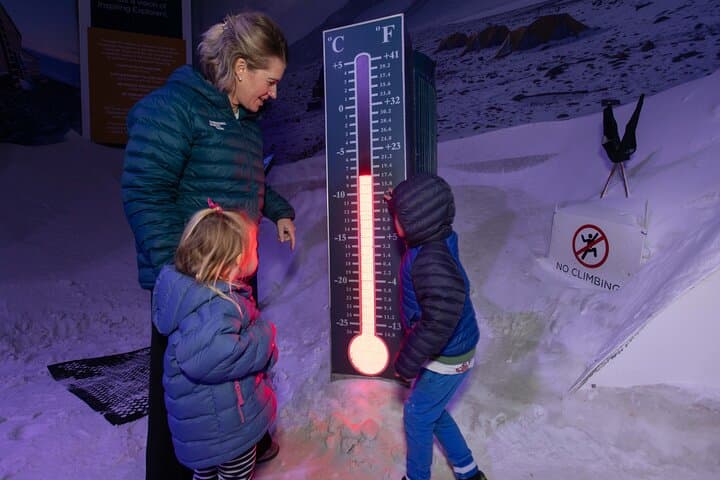
A cold wind hits before you see the ice: the storm room's roar and the hiss of simulated sleet make Christchurch feel, for a moment, like the edge of the Southern Ocean.
Verified experiences and guided adventures in the surrounding area.
Operated by International Antarctic Centre · Christchurch, Canterbury
A cold wind hits before you see the ice: the storm room's roar and the hiss of simulated sleet make Christchurch feel, for a moment, like the edge of the Southern Ocean.
Step inside the International Antarctic Centre and the continent is translated into sound, cold and close-up curiosity. The opening sequence puts you in a blizzard; later you move through displays on Antarctic exploration, geology and modern science. The centre’s rescued Kororā (Little Blue Penguins) offer an unexpected, lively counterpoint to the vast, silent ice fields described in the exhibits.
Christchurch’s connection to Antarctica dates to early 20th-century expeditions that used the city as a staging ground; the centre builds on that logistical history while explaining Antarctic geology — continental ice sheets carved from ancient bedrock and floating ice shelves that push and crack with seasonal rhythm. Local Māori place names and conservation messaging appear alongside international research narratives, grounding the exhibit in both culture and stewardship.
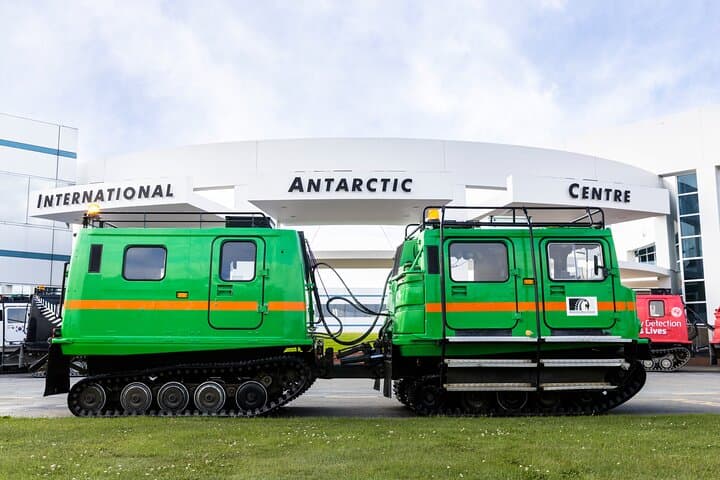
Practical guidance: allow two hours minimum to see the storm room, penguin viewing and Hagglund off-road ride (note health restrictions). The facility sits beside Christchurch Airport and is wheelchair and stroller accessible. Expect cool indoor temperatures; layers are helpful. Queues vary—mornings are quieter—and the attraction is open daily except Christmas. Bring a camera for the penguin habitat, but respect signage and staff instructions during animal encounters. Whether you’re mapping future travel to Antarctica or just curious, the centre frames the continent’s scale, science and fragility in a way that’s immediate and understandable.
easy.
2–3 hours.
Suitable for all fitness levels; mostly indoor walking on flat surfaces
Allow at least two hours to see the main exhibits, penguin viewing and optional Hagglund ride; you can extend to 3–4 hours if attending talks or relaxing between displays.
Yes—most public areas are wheelchair and stroller accessible; staff can advise on best viewing points for penguins and storm-room seating.
Penguin encounters are managed by staff—general viewing is available, but any close interactions will be supervised and follow animal welfare rules.
Yes—people with heart conditions, or back/neck issues and pregnant visitors are advised not to ride; children must be at least 1.2 meters tall and accompanied by an adult.
Christchurch grew as a key Antarctic gateway during early 20th-century exploration; the centre builds on the city’s role in supporting scientific expeditions.
The centre emphasizes climate change impacts on Antarctic ice and wildlife and encourages visitors to reduce plastic use and support scientific conservation initiatives.
International Antarctic Centre operates guided outdoor trips and adventures with an emphasis on safety, stewardship, and memorable experiences.


A cold wind hits before you see the ice: the storm room's roar and the hiss of simulated sleet make Christchurch feel, for a moment, like the edge of the Southern Ocean.
A cold wind hits before you see the ice: the storm room's roar and the hiss of simulated sleet make Christchurch feel, for a moment, like the edge of the Southern Ocean.
Step inside the International Antarctic Centre and the continent is translated into sound, cold and close-up curiosity. The opening sequence puts you in a blizzard; later you move through displays on Antarctic exploration, geology and modern science. The centre’s rescued Kororā (Little Blue Penguins) offer an unexpected, lively counterpoint to the vast, silent ice fields described in the exhibits.
Christchurch’s connection to Antarctica dates to early 20th-century expeditions that used the city as a staging ground; the centre builds on that logistical history while explaining Antarctic geology — continental ice sheets carved from ancient bedrock and floating ice shelves that push and crack with seasonal rhythm. Local Māori place names and conservation messaging appear alongside international research narratives, grounding the exhibit in both culture and stewardship.
Practical guidance: allow two hours minimum to see the storm room, penguin viewing and Hagglund off-road ride (note health restrictions). The facility sits beside Christchurch Airport and is wheelchair and stroller accessible. Expect cool indoor temperatures; layers are helpful. Queues vary—mornings are quieter—and the attraction is open daily except Christmas. Bring a camera for the penguin habitat, but respect signage and staff instructions during animal encounters. Whether you’re mapping future travel to Antarctica or just curious, the centre frames the continent’s scale, science and fragility in a way that’s immediate and understandable.