THE ADVENTURE COLLECTIVE® · Independent discovery and booking for outdoor travel

Spend an evening in a real Buenos Aires milonga: share wine, watch professional dancers, and learn the rules and rhythms that shape tango’s social life. This two-hour experience pairs cultural insight with live music and local flavor.
Spend an evening in a real Buenos Aires milonga: share wine, watch professional dancers, and learn the rules and rhythms that shape tango’s social life. This two-hour experience pairs cultural insight with live music and local flavor.
You step from a humid city street into a dim room where the parquet breathes under each pair of shoes and the bandoneón seems to lean toward you to whisper the next phrase.
Verified experiences and guided adventures in the surrounding area.
Operated by City Spirits · Buenos Aires, Ciudad Autónoma de Buenos Aires
You step from a humid city street into a dim room where the parquet breathes under each pair of shoes and the bandoneón seems to lean toward you to whisper the next phrase.
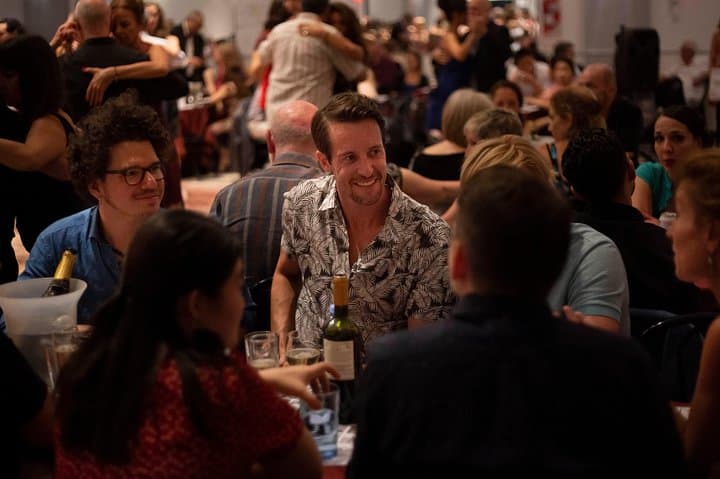
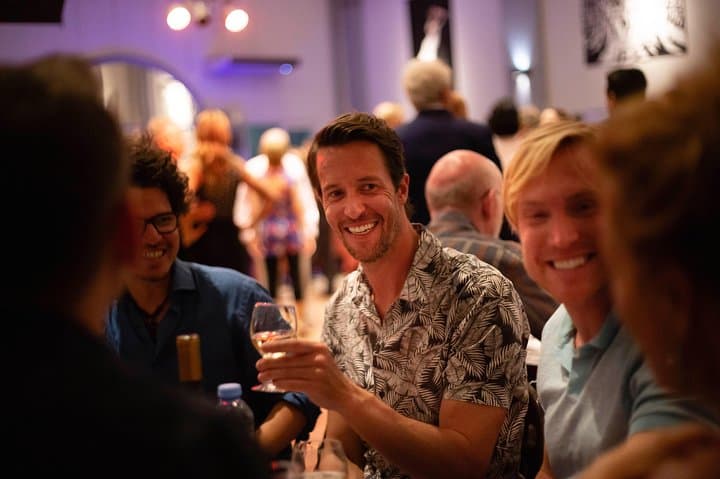
This is a milonga — an evening where neighbors, tourists and seasoned dancers cross the floor by invitation and ritual. The host reserves a table; a shared bottle of Argentine wine softens the edges of the unknown as local and international dancers fold into the music.
Tango grew from late-19th-century port neighborhoods like San Telmo and La Boca, forged by European immigrants, African rhythms and criollo song. By the early 20th century it had moved from street corners to cafés and salons; tonight’s milonga continues that arc, pairing live or recorded orchestras with codified social rules (the cabeceo, the tanda) that shape who you dance with and when.
Practical notes: expect two hours of curated atmosphere with a short performance by professionals and sometimes a live orchestra. Dress smart-casual — comfortable shoes with a bit of grip; avoid heavy backpacks on the dance floor. Arrive early to claim a seat, keep photos unobtrusive during tandas, and tip performers or servers when appropriate.
For newcomers, the guide’s anecdotes and brief explanations accelerate comprehension of roles and etiquette so you won’t feel lost on your first visit. Whether you watch from the table or accept an invite to step out, the milonga offers a compact, intense primer on tango as music, movement and social code — an evening that teaches as much as it entertains.
easy.
2 hours.
Suitable for most travelers; standing and brief dancing are required if you join in.
No — you can attend as a spectator and learn etiquette; if you accept a dance, partners will usually adapt to beginners.
Photography is tolerated from the table but avoid flash and never photograph during tandas without permission from dancers or the host.
Policies vary; some venues welcome families earlier in the evening, but most traditional milongas are adult-focused and best for older teens and adults.
Most milongas are accessible by taxi, rideshare or public transit from neighborhoods like San Telmo and Palermo; check the meeting address and allow time for evening traffic.
Tango emerged in late-19th-century port districts as a hybrid of European, African and criollo influences and evolved from informal street dances into formal salon milongas.
Support local venues and musicians by buying drinks or tipping performers; respect capacity limits and avoid contributing to noise or waste in residential areas.
City Spirits operates guided outdoor trips and adventures with an emphasis on safety, stewardship, and memorable experiences.


You step from a humid city street into a dim room where the parquet breathes under each pair of shoes and the bandoneón seems to lean toward you to whisper the next phrase.
You step from a humid city street into a dim room where the parquet breathes under each pair of shoes and the bandoneón seems to lean toward you to whisper the next phrase.
This is a milonga — an evening where neighbors, tourists and seasoned dancers cross the floor by invitation and ritual. The host reserves a table; a shared bottle of Argentine wine softens the edges of the unknown as local and international dancers fold into the music.
Tango grew from late-19th-century port neighborhoods like San Telmo and La Boca, forged by European immigrants, African rhythms and criollo song. By the early 20th century it had moved from street corners to cafés and salons; tonight’s milonga continues that arc, pairing live or recorded orchestras with codified social rules (the cabeceo, the tanda) that shape who you dance with and when.
Practical notes: expect two hours of curated atmosphere with a short performance by professionals and sometimes a live orchestra. Dress smart-casual — comfortable shoes with a bit of grip; avoid heavy backpacks on the dance floor. Arrive early to claim a seat, keep photos unobtrusive during tandas, and tip performers or servers when appropriate.
For newcomers, the guide’s anecdotes and brief explanations accelerate comprehension of roles and etiquette so you won’t feel lost on your first visit. Whether you watch from the table or accept an invite to step out, the milonga offers a compact, intense primer on tango as music, movement and social code — an evening that teaches as much as it entertains.