THE ADVENTURE COLLECTIVE® · Independent discovery and booking for outdoor travel

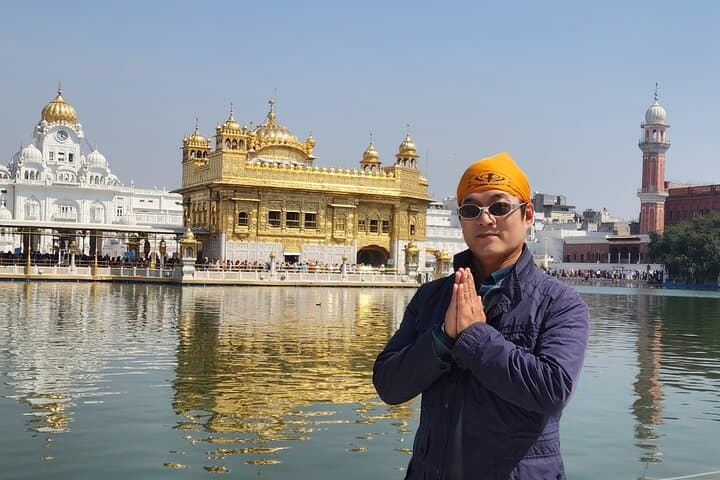
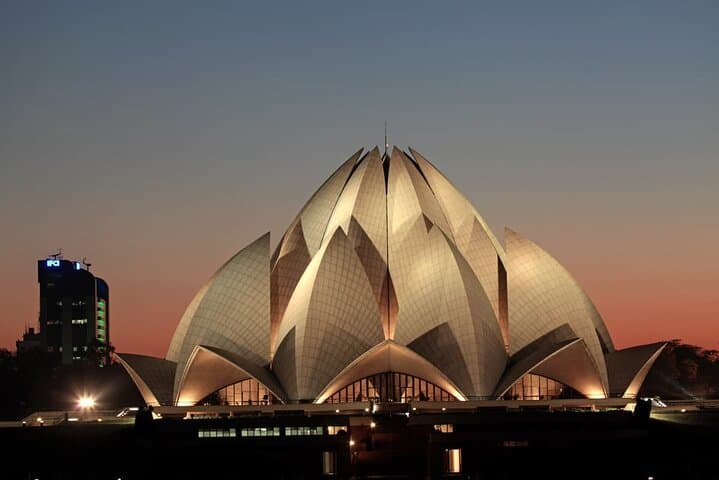
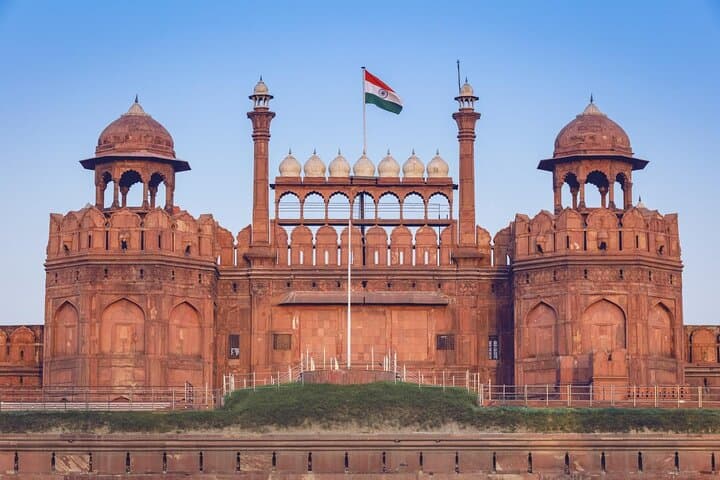
An 11‑day circuit through Himachal Pradesh that blends Delhi’s monuments with high‑altitude passes, colonial Shimla, Manali’s valleys, Dharamshala’s Tibetan culture and Amritsar’s Golden Temple. Practical, paced, and focused on accessible mountain culture and scenery.
An 11‑day circuit through Himachal Pradesh that blends Delhi’s monuments with high‑altitude passes, colonial Shimla, Manali’s valleys, Dharamshala’s Tibetan culture and Amritsar’s Golden Temple. Practical, paced, and focused on accessible mountain culture and scenery.
You step off the train into raw northern India: Delhi’s hum gives way to a winding highway that climbs into cedar forests and high meadows. The road funnels you through Shimla’s colonial facades, past apple orchards and the wide brown river valleys that dare you to look away.
Verified experiences and guided adventures in the surrounding area.
Operated by Agora Voyages Pvt. Ltd. · Shimla, Himachal Pradesh
You step off the train into raw northern India: Delhi’s hum gives way to a winding highway that climbs into cedar forests and high meadows. The road funnels you through Shimla’s colonial facades, past apple orchards and the wide brown river valleys that dare you to look away.
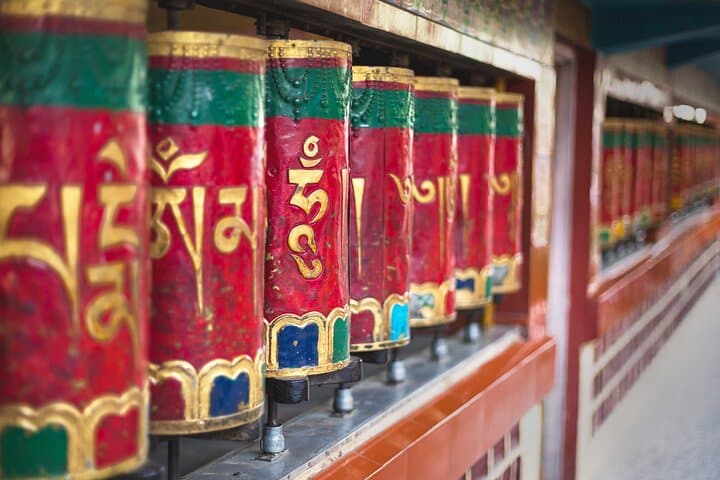
This 11‑day loop threads together British-era Shimla, the mountain hamlet rhythms of Manali, the high‑alpine passes above Rohtang, the Tibetan‑Buddhist pulse of Dharamshala/McLeod Ganj, and the Sikh heritage of Amritsar. Geologically the region is young Himalaya—folded sedimentary lap over million‑year uplift—so expect hairpin turns, frequent river crossings and sudden weather shifts at elevation. Shimla grew as the British summer capital; Rohtang was an ancient trade conduit for pashmina and spices; Dharamshala reflects Tibetan exile culture since 1959.
Practically, most days are travel plus short walks or site visits: Delhi to Shimla ≈364 km (about 8–10 hrs with stops), Shimla–Manali ≈257 km (7–9 hrs), Manali–Dharamshala ≈230 km (6–8 hrs). Rohtang sits near 13,000 ft—permits, winter closures and snow should be checked seasonally. Expect simple hotels, morning markets, temple etiquette (cover shoulders, remove shoes) and an overnight Satabdi train back to Delhi from Amritsar.
Pack layered clothing, a daypack and basic first‑aid for headaches or altitude discomfort. Plan travel days conservatively: roads, weather, and local festivals can change timings. With calm pacing this route balances cultural immersion and alpine scenery—mountain air that pushes forward like a persistent guide, urging you to keep moving along the ridge.
moderate.
11 days.
Suitable for travelers in average fitness who can manage multiple long drives, short hikes and stair climbs; be prepared for brief high‑altitude exposure.
Rohtang access is regulated—permits are often required and closures common in winter; check current local regulations and road status before planning the excursion.
Late spring to early autumn (May–October) offers open high passes and milder weather; winter provides snow but some passes and attractions may be closed.
Most days involve sightseeing and short walks; only Rohtang/Bhrigu Lake include higher altitude trekking—no technical skills required but basic endurance helps.
Yes—vegetarian cuisine is widely available; bottled water is common and often provided in the vehicle, but carry a reusable bottle and purifying tablets if preferred.
Shimla served as the British summer capital and retains colonial architecture; Amritsar’s Golden Temple is the spiritual center of Sikh history and community service.
High‑altitude meadows and river corridors are fragile—stick to marked roads and trails, carry out waste and use local guides to reduce impact.
Agora Voyages Pvt. Ltd. operates guided outdoor trips and adventures with an emphasis on safety, stewardship, and memorable experiences.
You step off the train into raw northern India: Delhi’s hum gives way to a winding highway that climbs into cedar forests and high meadows. The road funnels you through Shimla’s colonial facades, past apple orchards and the wide brown river valleys that dare you to look away.
You step off the train into raw northern India: Delhi’s hum gives way to a winding highway that climbs into cedar forests and high meadows. The road funnels you through Shimla’s colonial facades, past apple orchards and the wide brown river valleys that dare you to look away.
This 11‑day loop threads together British-era Shimla, the mountain hamlet rhythms of Manali, the high‑alpine passes above Rohtang, the Tibetan‑Buddhist pulse of Dharamshala/McLeod Ganj, and the Sikh heritage of Amritsar. Geologically the region is young Himalaya—folded sedimentary lap over million‑year uplift—so expect hairpin turns, frequent river crossings and sudden weather shifts at elevation. Shimla grew as the British summer capital; Rohtang was an ancient trade conduit for pashmina and spices; Dharamshala reflects Tibetan exile culture since 1959.
Practically, most days are travel plus short walks or site visits: Delhi to Shimla ≈364 km (about 8–10 hrs with stops), Shimla–Manali ≈257 km (7–9 hrs), Manali–Dharamshala ≈230 km (6–8 hrs). Rohtang sits near 13,000 ft—permits, winter closures and snow should be checked seasonally. Expect simple hotels, morning markets, temple etiquette (cover shoulders, remove shoes) and an overnight Satabdi train back to Delhi from Amritsar.
Pack layered clothing, a daypack and basic first‑aid for headaches or altitude discomfort. Plan travel days conservatively: roads, weather, and local festivals can change timings. With calm pacing this route balances cultural immersion and alpine scenery—mountain air that pushes forward like a persistent guide, urging you to keep moving along the ridge.