THE ADVENTURE COLLECTIVE® · Independent discovery and booking for outdoor travel

Scale blue ice and learn to swing an ice ax on Exit Glacier—an accessible, guided ice-climbing day trip from Seward. This full‑day tour pairs technical coaching with short glacier approaches and includes gear, lunch, and transport.
Scale blue ice and learn to swing an ice ax on Exit Glacier—an accessible, guided ice-climbing day trip from Seward. This full‑day tour pairs technical coaching with short glacier approaches and includes gear, lunch, and transport.
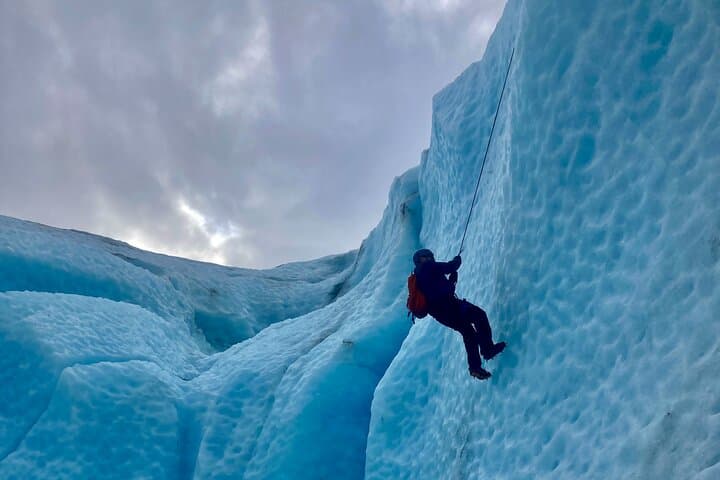
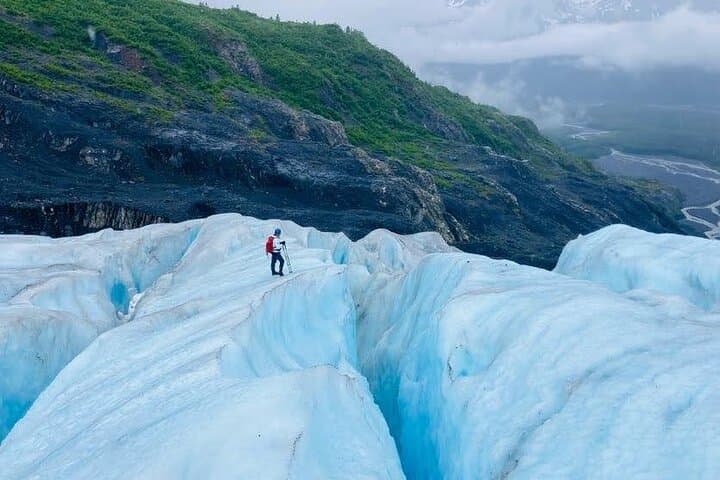
Fog peels back from the Kenai Mountains as the shuttle slides up the Seward Highway, a ribbon of asphalt flanked by spruce and snow-mottled peaks. By the time you step onto the moraine, the glacier is a living thing: blue ice stacked like glass, groaning softly where it calves and drips. Guides fit your harness, hand you crampons, and point to the vertical face—a chunk of ancient ice that dares you to climb.
Verified experiences and guided adventures in the surrounding area.
Operated by Kenai Backcountry Adventures · Seward, Alaska
Fog peels back from the Kenai Mountains as the shuttle slides up the Seward Highway, a ribbon of asphalt flanked by spruce and snow-mottled peaks. By the time you step onto the moraine, the glacier is a living thing: blue ice stacked like glass, groaning softly where it calves and drips. Guides fit your harness, hand you crampons, and point to the vertical face—a chunk of ancient ice that dares you to climb.
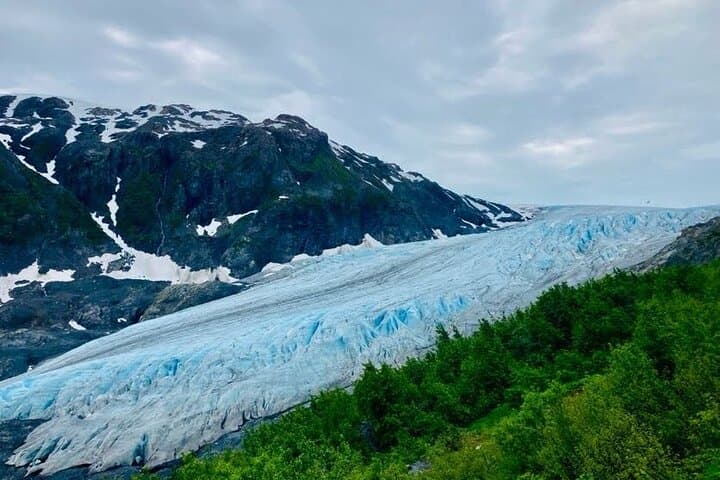
Exit Glacier is the local mouth of the Harding Icefield, a 700-square-mile expanse that carved the fjords and rivers of the Kenai Peninsula. Unlike the tidewater giants that calve into the ocean, Exit is a valley glacier—dynamic, accessible, and a clear record of climate in motion. The climb routes follow clean, vertical walls and stepped seracs formed as the glacier negotiates rock and melt. Indigenous peoples and early prospectors knew these iceflows as seasonal highways and freshwater sources; today the glacier’s retreat is visible in historical photos that line the visitor kiosk at the trailhead.
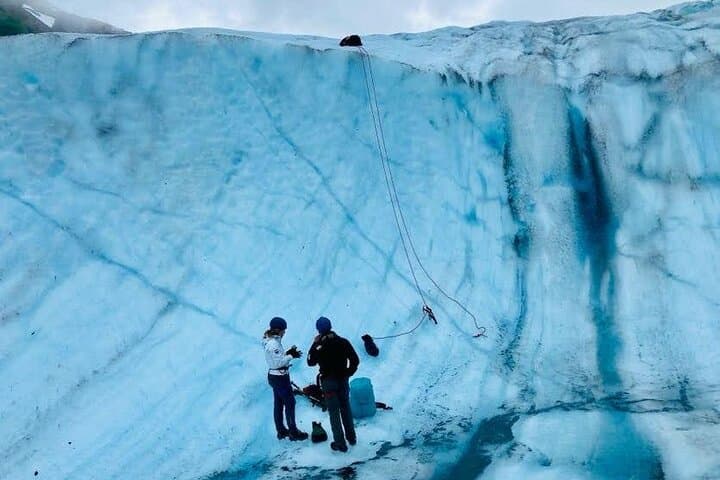
The day on the ice moves in tidy phases: a 1–1.5 mile approach over moraine and braided melt channels (expect 300–500 ft of net gain), a rigging and skills session where you learn proper swing, foot placement, and self-arrest, and then sequential climbs on walls ranging from 30 to 100 feet. Guides set top-rope anchors and coach you through each pitch—this is teaching terrain more than technical mountaineering—but it still demands strength, balance, and willingness to be cold.
Practicalities matter here. Tours run about eight hours round-trip from Seward with hotel pickup available; group size is capped small for safety and instruction. Kenai Backcountry Adventures supplies helmets, harnesses, crampons, trekking poles, and a deli lunch; wear waterproof, insulated boots and three layers you can remove while climbing. Weather can flip rapidly—sunlit blue ice one moment, spitting sleet the next—so plan for wind and wet conditions.
Beyond the climb, the Exit Glacier area rewards slow attention: watch for golden-crowned kinglets in the scrub, or spot a mountain goat high on the ridges. Respect the ice—stay on guide routes, avoid fragile melt ponds, and carry out all trash. For motivated visitors, ask the guide about the longer Harding Icefield Trail; it offers a broader perspective on how these glaciers shaped the landscape you’re standing on.
Whether you come for the adrenaline of swinging an ice ax or the rare chance to read a glacier up close, Exit Glacier delivers a tactile, instructive encounter with Alaska’s cold heart. With good boots, layered clothing, and a readiness to learn, the ice will teach you quickly—and let you climb away with something hard-earned and unforgettable.
challenging.
8 hours.
Good cardiovascular fitness and leg strength required; must be comfortable hiking uneven moraine and performing short, powerful climbs.
No—guides teach basic ice-climbing techniques and top-rope safety, but you should be comfortable with physical exertion and heights.
Round-trip ground transportation from Seward, glacier hiking equipment (small backpack, helmet, harness, crampons, trekking poles), professional guides, and a deli lunch are included.
Expect a moderate to hard day: roughly 1–1.5 miles approach over uneven moraine, repeated short climbs, and about 300–500 ft of net elevation change during the day.
Not recommended for travelers with serious back or heart conditions; guests should disclose medical issues during booking.
Tours may be canceled for unsafe conditions; full refund if canceled at least 24 hours before departure or if provider cancels due to weather or low attendee numbers.
Yes—guides often pause for photos, but follow their instructions and avoid distracting climbers on the rope. Use a secure strap or dry bag to protect equipment.
Exit Glacier is a visible indicator of the Harding Icefield’s ebb; historical photos at the trailhead show dramatic retreat over the last century.
Glacial retreat is ongoing—stick to guide routes, avoid fragile moraine and melt ponds, and follow Leave No Trace principles to minimize impact.
Kenai Backcountry Adventures operates guided outdoor trips and adventures with an emphasis on safety, stewardship, and memorable experiences.
Fog peels back from the Kenai Mountains as the shuttle slides up the Seward Highway, a ribbon of asphalt flanked by spruce and snow-mottled peaks. By the time you step onto the moraine, the glacier is a living thing: blue ice stacked like glass, groaning softly where it calves and drips. Guides fit your harness, hand you crampons, and point to the vertical face—a chunk of ancient ice that dares you to climb.
Fog peels back from the Kenai Mountains as the shuttle slides up the Seward Highway, a ribbon of asphalt flanked by spruce and snow-mottled peaks. By the time you step onto the moraine, the glacier is a living thing: blue ice stacked like glass, groaning softly where it calves and drips. Guides fit your harness, hand you crampons, and point to the vertical face—a chunk of ancient ice that dares you to climb.
Exit Glacier is the local mouth of the Harding Icefield, a 700-square-mile expanse that carved the fjords and rivers of the Kenai Peninsula. Unlike the tidewater giants that calve into the ocean, Exit is a valley glacier—dynamic, accessible, and a clear record of climate in motion. The climb routes follow clean, vertical walls and stepped seracs formed as the glacier negotiates rock and melt. Indigenous peoples and early prospectors knew these iceflows as seasonal highways and freshwater sources; today the glacier’s retreat is visible in historical photos that line the visitor kiosk at the trailhead.
The day on the ice moves in tidy phases: a 1–1.5 mile approach over moraine and braided melt channels (expect 300–500 ft of net gain), a rigging and skills session where you learn proper swing, foot placement, and self-arrest, and then sequential climbs on walls ranging from 30 to 100 feet. Guides set top-rope anchors and coach you through each pitch—this is teaching terrain more than technical mountaineering—but it still demands strength, balance, and willingness to be cold.
Practicalities matter here. Tours run about eight hours round-trip from Seward with hotel pickup available; group size is capped small for safety and instruction. Kenai Backcountry Adventures supplies helmets, harnesses, crampons, trekking poles, and a deli lunch; wear waterproof, insulated boots and three layers you can remove while climbing. Weather can flip rapidly—sunlit blue ice one moment, spitting sleet the next—so plan for wind and wet conditions.
Beyond the climb, the Exit Glacier area rewards slow attention: watch for golden-crowned kinglets in the scrub, or spot a mountain goat high on the ridges. Respect the ice—stay on guide routes, avoid fragile melt ponds, and carry out all trash. For motivated visitors, ask the guide about the longer Harding Icefield Trail; it offers a broader perspective on how these glaciers shaped the landscape you’re standing on.
Whether you come for the adrenaline of swinging an ice ax or the rare chance to read a glacier up close, Exit Glacier delivers a tactile, instructive encounter with Alaska’s cold heart. With good boots, layered clothing, and a readiness to learn, the ice will teach you quickly—and let you climb away with something hard-earned and unforgettable.