THE ADVENTURE COLLECTIVE® · Independent discovery and booking for outdoor travel

Skip airport lines and shuttle stops with a private Executive SUV transfer out of New Orleans. Expect a 1–2 hour, climate-controlled ride along I-10 with a professional chauffeur, flight tracking, and flexible pickup options.
Skip airport lines and shuttle stops with a private Executive SUV transfer out of New Orleans. Expect a 1–2 hour, climate-controlled ride along I-10 with a professional chauffeur, flight tracking, and flexible pickup options.
You ease into leather seats as the city slides past — gas lamps and wrought-iron balconies yielding to marsh grass and the broad curve of the Mississippi. The SUV hums onto I-10, headlights catching freight barges that seem to challenge the river’s current, and for the next hour you trade the city’s pulse for a measured highway tempo.
Verified experiences and guided adventures in the surrounding area.
Operated by Burton Transit · New Orleans, Louisiana
You ease into leather seats as the city slides past — gas lamps and wrought-iron balconies yielding to marsh grass and the broad curve of the Mississippi. The SUV hums onto I-10, headlights catching freight barges that seem to challenge the river’s current, and for the next hour you trade the city’s pulse for a measured highway tempo.
This corridor follows a long human story: French and Spanish settlements clustered along the river, antebellum plantations on the River Road, and the modern sprawl that ties New Orleans to Baton Rouge. Geologically the land is flat and low, a Mississippi alluvial plain where bayous push and retreat; culturally it’s a mix of Creole, Cajun, and industrial heritage — you’ll pass sugar mills, oak-shaded plantations, and wetlands that still shape local diets and music.
Practically, a private executive SUV transfer removes the guesswork. Typical drive time between downtown New Orleans and Baton Rouge is about 1–2 hours (roughly 75–85 miles) depending on traffic, construction, and festival seasons. Expect climate-controlled comfort, flight tracking if you’re landing, and a professional chauffeur who can manage luggage and route planning.
Plan for peak delays around morning and evening commutes and major events (Mardi Gras parades, college football Sundays). Bring ID, charge your devices, and keep small loose items accessible. If you prefer a stop en route — a quick plantation visit or restroom break — confirm ahead; private transfers can usually accommodate short detours. The service suits travelers who want a predictable, door-to-door option without the lines and uncertainty of shared shuttles.
easy.
1–2 hours.
Minimal physical exertion; suitable for travelers of all fitness levels
Typical door-to-door time between New Orleans and Baton Rouge is about 1–2 hours (approximately 75–85 miles), but traffic, weather, and events can extend travel time.
Yes — chauffeurs will meet at designated pickup areas. Provide your arrival terminal and flight number so the driver can track delays and adjust the pickup window.
Specialized infant and child seats are available upon request; indicate age/weight when booking so the correct seat can be provided.
For a full refund, cancel at least 24 hours before the scheduled pickup; cancellations inside that window may not be refundable.
The route follows the Mississippi’s River Road, historically lined with plantations and trade points tied to French and Spanish colonial eras; the corridor shaped Louisiana’s agricultural and cultural development.
Coastal wetland loss and subsidence affect the region; choose providers that minimize idling, and consider offsetting travel emissions to reduce impact.
Burton Transit operates guided outdoor trips and adventures with an emphasis on safety, stewardship, and memorable experiences.
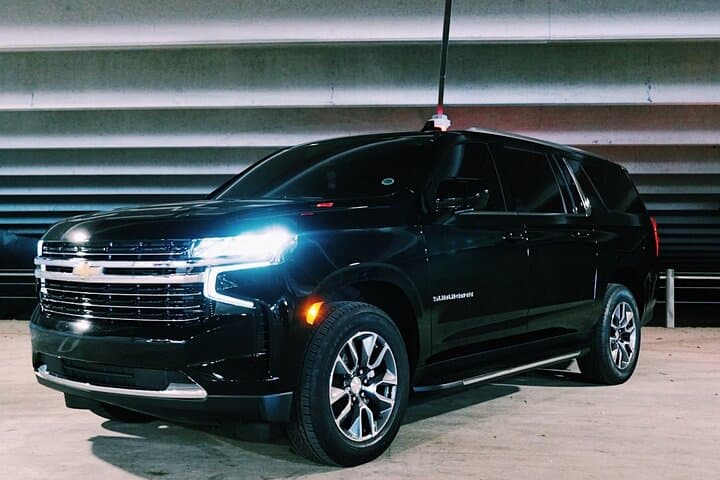


You ease into leather seats as the city slides past — gas lamps and wrought-iron balconies yielding to marsh grass and the broad curve of the Mississippi. The SUV hums onto I-10, headlights catching freight barges that seem to challenge the river’s current, and for the next hour you trade the city’s pulse for a measured highway tempo.
You ease into leather seats as the city slides past — gas lamps and wrought-iron balconies yielding to marsh grass and the broad curve of the Mississippi. The SUV hums onto I-10, headlights catching freight barges that seem to challenge the river’s current, and for the next hour you trade the city’s pulse for a measured highway tempo.
This corridor follows a long human story: French and Spanish settlements clustered along the river, antebellum plantations on the River Road, and the modern sprawl that ties New Orleans to Baton Rouge. Geologically the land is flat and low, a Mississippi alluvial plain where bayous push and retreat; culturally it’s a mix of Creole, Cajun, and industrial heritage — you’ll pass sugar mills, oak-shaded plantations, and wetlands that still shape local diets and music.
Practically, a private executive SUV transfer removes the guesswork. Typical drive time between downtown New Orleans and Baton Rouge is about 1–2 hours (roughly 75–85 miles) depending on traffic, construction, and festival seasons. Expect climate-controlled comfort, flight tracking if you’re landing, and a professional chauffeur who can manage luggage and route planning.
Plan for peak delays around morning and evening commutes and major events (Mardi Gras parades, college football Sundays). Bring ID, charge your devices, and keep small loose items accessible. If you prefer a stop en route — a quick plantation visit or restroom break — confirm ahead; private transfers can usually accommodate short detours. The service suits travelers who want a predictable, door-to-door option without the lines and uncertainty of shared shuttles.