THE ADVENTURE COLLECTIVE® · Independent discovery and booking for outdoor travel

Board a private speedboat off Mauritius’ west coast for three hours of hydrophone-assisted whale searching. Sperm whales visit year-round and humpbacks pass June–October—expect skilled guides, bottled water, and a roughly 60% sighting rate.
Board a private speedboat off Mauritius’ west coast for three hours of hydrophone-assisted whale searching. Sperm whales visit year-round and humpbacks pass June–October—expect skilled guides, bottled water, and a roughly 60% sighting rate.
A low bow cuts across the west-coast swell and salt spray pins the horizon into a strip of glittering blue. Onboard a private speedboat, the engine’s thrum becomes background to the stranger sounds: the crew’s call, a sudden directional shift, then the soft click carried from the hydrophone as the ocean tells you where the animals are.
Verified experiences and guided adventures in the surrounding area.
Operated by Dolswim Ltd · Tamarin, Rivière Noire
A low bow cuts across the west-coast swell and salt spray pins the horizon into a strip of glittering blue. Onboard a private speedboat, the engine’s thrum becomes background to the stranger sounds: the crew’s call, a sudden directional shift, then the soft click carried from the hydrophone as the ocean tells you where the animals are.
Mauritius is a volcanic island rimmed by reefs; the deep channels off the west coast funnel migratory routes and year-round feeding grounds. Sperm whales inhabit these offshore depths almost year-round, while humpback whales pass closer to shore during their June–October migration. Local maritime culture still bears traces of the island’s seafaring and fishing heritage, but commercial whaling ended decades ago and modern tours emphasize observation and respect.
Expect a 3-hour outing: transit to likely search areas, hydrophone listening, and dedicated observation time. The private nature of the trip means you’ll have the whole boat to your party, and guides provide live commentary and bottled water. Sightings are never guaranteed—operators commonly cite roughly a 60% chance—but hydrophones and experienced skippers increase odds.
Practical notes: wear windproof layers, bring seasickness meds if you’re prone, and secure cameras with straps. Boarding may require a short step up from dock or beach; operators sometimes assist guests with mobility, but pregnant travelers and children under four are often not recommended. Plan departures in the morning when seas are calmer and light is best for photography. Above all, give the animals space—viewing guidelines and the crew’s instructions preserve both safety and the quality of the encounter.
easy.
2–3 hours.
Suitable for most fitness levels; able to climb a small step onto a boat and remain seated or braced for short periods
Operators commonly report about a 60% chance; use of hydrophones and experienced skippers increases odds but sightings can't be guaranteed.
Many operators advise against children under four and do not allow pregnant guests for safety and comfort—check specific booking restrictions beforehand.
Guides follow national and international guidelines to keep a respectful distance; the crew will maneuver for clear viewing without harassing the animals.
Wheelchairs generally cannot board, but crew may assist guests into the boat; advise the operator of any mobility needs at booking.
Mauritius’ waters were once part of historical shipping lanes and small-scale whaling in the 19th century; today the island focuses on conservation and sustainable marine tourism.
Operators typically emphasize non-intrusive observation and use hydrophones to locate whales rather than chase them; visitors should avoid flash photography and sudden approaches to minimize disturbance.
Dolswim Ltd operates guided outdoor trips and adventures with an emphasis on safety, stewardship, and memorable experiences.

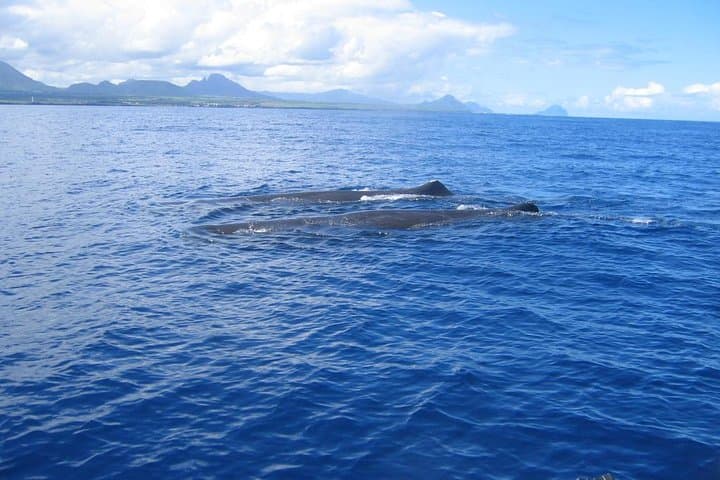
A low bow cuts across the west-coast swell and salt spray pins the horizon into a strip of glittering blue. Onboard a private speedboat, the engine’s thrum becomes background to the stranger sounds: the crew’s call, a sudden directional shift, then the soft click carried from the hydrophone as the ocean tells you where the animals are.
A low bow cuts across the west-coast swell and salt spray pins the horizon into a strip of glittering blue. Onboard a private speedboat, the engine’s thrum becomes background to the stranger sounds: the crew’s call, a sudden directional shift, then the soft click carried from the hydrophone as the ocean tells you where the animals are.
Mauritius is a volcanic island rimmed by reefs; the deep channels off the west coast funnel migratory routes and year-round feeding grounds. Sperm whales inhabit these offshore depths almost year-round, while humpback whales pass closer to shore during their June–October migration. Local maritime culture still bears traces of the island’s seafaring and fishing heritage, but commercial whaling ended decades ago and modern tours emphasize observation and respect.
Expect a 3-hour outing: transit to likely search areas, hydrophone listening, and dedicated observation time. The private nature of the trip means you’ll have the whole boat to your party, and guides provide live commentary and bottled water. Sightings are never guaranteed—operators commonly cite roughly a 60% chance—but hydrophones and experienced skippers increase odds.
Practical notes: wear windproof layers, bring seasickness meds if you’re prone, and secure cameras with straps. Boarding may require a short step up from dock or beach; operators sometimes assist guests with mobility, but pregnant travelers and children under four are often not recommended. Plan departures in the morning when seas are calmer and light is best for photography. Above all, give the animals space—viewing guidelines and the crew’s instructions preserve both safety and the quality of the encounter.