THE ADVENTURE COLLECTIVE® · Independent discovery and booking for outdoor travel

Spend a full day in Tarangire National Park searching for some of Tanzania’s densest elephant populations, giraffes, lions, and abundant birdlife. This day trip from Arusha combines a scenic two‑hour drive with guided game viewing, a picnic lunch, and baobab‑studded landscapes.
Spend a full day in Tarangire National Park searching for some of Tanzania’s densest elephant populations, giraffes, lions, and abundant birdlife. This day trip from Arusha combines a scenic two‑hour drive with guided game viewing, a picnic lunch, and baobab‑studded landscapes.
Dust lifts off the red-track as a 4x4 slides out of Arusha and the plains spread wide—acacia shadows, swollen baobabs, and the Tarangire River threading the valley like a slow artery. On arrival, the park opens as a living map: elephants moving in deliberate files, giraffes browsing the crowns of acacias, and birds flaring in the heat.
Verified experiences and guided adventures in the surrounding area.
Operated by Moonlight Tours Expedition · Arusha, Manyara Region
Dust lifts off the red-track as a 4x4 slides out of Arusha and the plains spread wide—acacia shadows, swollen baobabs, and the Tarangire River threading the valley like a slow artery. On arrival, the park opens as a living map: elephants moving in deliberate files, giraffes browsing the crowns of acacias, and birds flaring in the heat.
Tarangire National Park was gazetted in 1970 to protect the riverine systems and seasonal migrations that define this corner of northern Tanzania. Geologically the landscape is ancient rift flank—rocky outcrops give way to alluvial floodplains animated by the Tarangire River. Culturally the area sits in Maasai country; cattle herding and traditional villages sit just beyond the park boundary and influence grazing patterns and migration routes.
A day here is about observation and timing. In the dry season (June–October) animals concentrate around the river and sightings are predictable; in the wet months the park is green and birdlife peaks but wildlife disperses. Guides read the land—the direction of spoor, the way vultures circle—turning each sighting into context.
Practicalities: expect a full 10‑hour day including a roughly two‑hour drive each way from Arusha (about 120 km depending on route). Wear sun protection and neutral clothing, bring binoculars and a telephoto lens, insect repellent, and a refillable water bottle. Picnic areas are open but keep food secured—curious monkeys are bold. Short walks from the vehicle are possible but most viewing is roadside; the vehicle and guide do the heavy lifting.
This is a game‑viewing day that balances comfort and access—ideal for first‑time safari travelers who want high elephant densities, strong birding, and close encounters with classic East African plains wildlife.
moderate.
10 hours.
Moderate; most time spent seated in vehicle but requires ability to step on/off safari vehicles and short walks if needed.
Expect roughly a two‑hour drive depending on traffic and road conditions—about 100–140 km depending on route.
Tarangire is famous for large elephant herds, and you may also see lions, leopards, buffalo, giraffes, various antelopes, pythons in trees, and rich birdlife.
Yes with supervision; vehicles accommodate families but keep children secured and be mindful at picnic stops where wildlife and monkeys are present.
Dry season (June–October) concentrates animals at the Tarangire River for reliable sightings; the wet season offers lush scenery and excellent birding but more dispersed wildlife.
Tarangire was declared a national park in 1970 to protect its unique riverine systems and seasonal migrations that sustain large mammal populations.
Human‑wildlife coexistence is active here; community conservation and controlled grazing outside park boundaries help protect migration routes—pack out waste and avoid feeding animals.
Moonlight Tours Expedition operates guided outdoor trips and adventures with an emphasis on safety, stewardship, and memorable experiences.

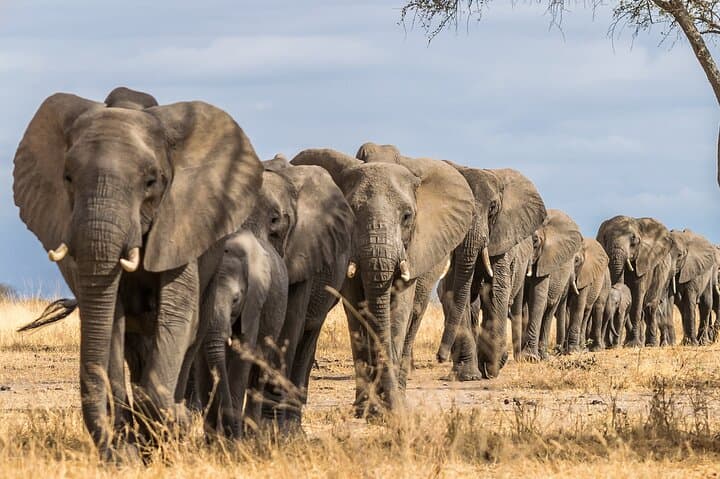
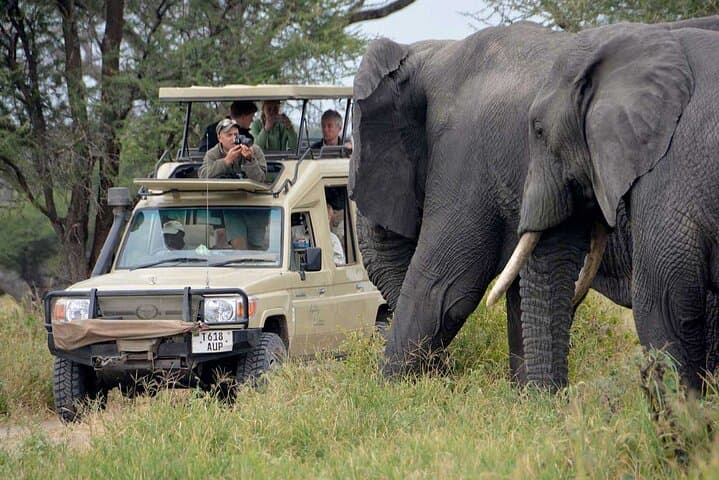
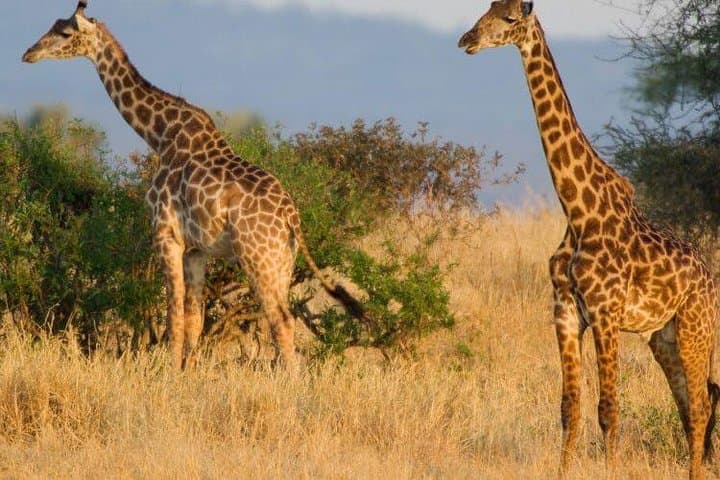
Dust lifts off the red-track as a 4x4 slides out of Arusha and the plains spread wide—acacia shadows, swollen baobabs, and the Tarangire River threading the valley like a slow artery. On arrival, the park opens as a living map: elephants moving in deliberate files, giraffes browsing the crowns of acacias, and birds flaring in the heat.
Dust lifts off the red-track as a 4x4 slides out of Arusha and the plains spread wide—acacia shadows, swollen baobabs, and the Tarangire River threading the valley like a slow artery. On arrival, the park opens as a living map: elephants moving in deliberate files, giraffes browsing the crowns of acacias, and birds flaring in the heat.
Tarangire National Park was gazetted in 1970 to protect the riverine systems and seasonal migrations that define this corner of northern Tanzania. Geologically the landscape is ancient rift flank—rocky outcrops give way to alluvial floodplains animated by the Tarangire River. Culturally the area sits in Maasai country; cattle herding and traditional villages sit just beyond the park boundary and influence grazing patterns and migration routes.
A day here is about observation and timing. In the dry season (June–October) animals concentrate around the river and sightings are predictable; in the wet months the park is green and birdlife peaks but wildlife disperses. Guides read the land—the direction of spoor, the way vultures circle—turning each sighting into context.
Practicalities: expect a full 10‑hour day including a roughly two‑hour drive each way from Arusha (about 120 km depending on route). Wear sun protection and neutral clothing, bring binoculars and a telephoto lens, insect repellent, and a refillable water bottle. Picnic areas are open but keep food secured—curious monkeys are bold. Short walks from the vehicle are possible but most viewing is roadside; the vehicle and guide do the heavy lifting.
This is a game‑viewing day that balances comfort and access—ideal for first‑time safari travelers who want high elephant densities, strong birding, and close encounters with classic East African plains wildlife.