THE ADVENTURE COLLECTIVE® · Independent discovery and booking for outdoor travel

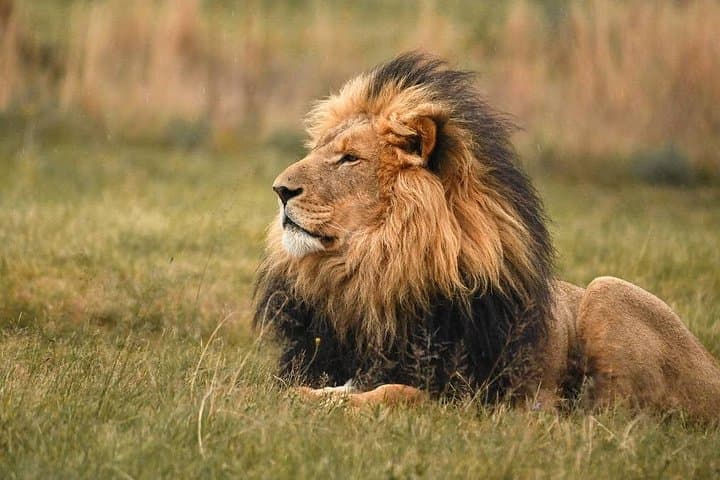
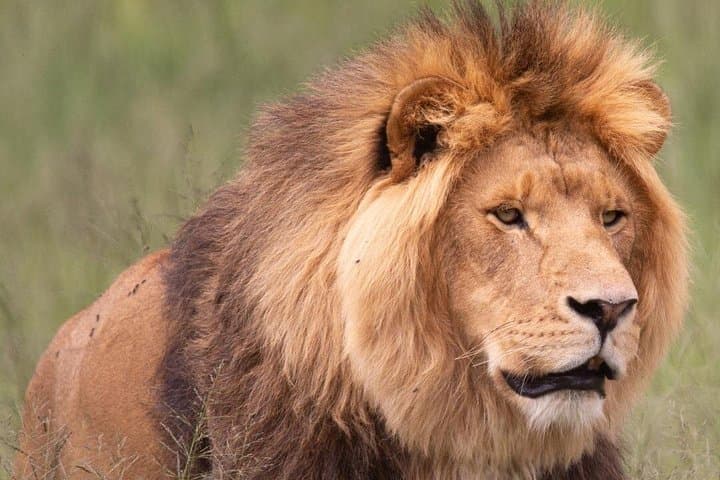
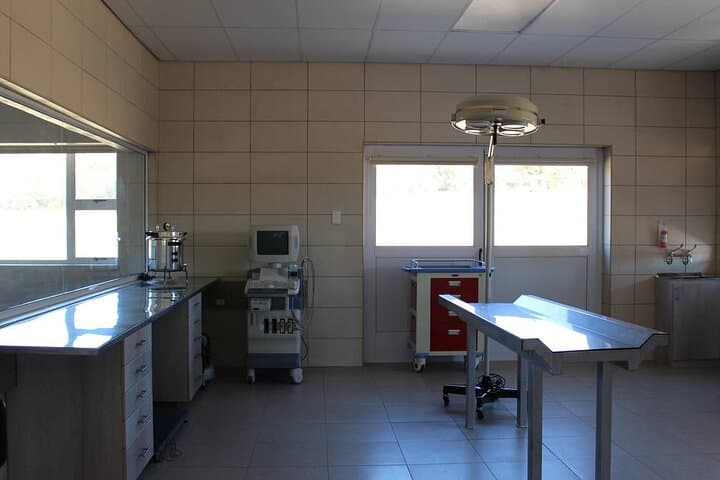
Join a small-group morning at a major South African big cat sanctuary for feeding demonstrations, a clinic tour and a viewing tunnel walk. This behind-the-scenes tour explains rescue work while offering close but respectful observation of lions and tigers.
Join a small-group morning at a major South African big cat sanctuary for feeding demonstrations, a clinic tour and a viewing tunnel walk. This behind-the-scenes tour explains rescue work while offering close but respectful observation of lions and tigers.
You step onto a low bridge as the sanctuary wakes—air warmed by grassland sun, and somewhere below a rumble of contented big cats. The morning spills open with caretaker voices, measured and practiced, and the animals who have learned to read those cues approach like old acquaintances rather than exhibits.
Verified experiences and guided adventures in the surrounding area.
Operated by LIONSROCK Big Cat Sanctuary · Bethlehem, Free State
You step onto a low bridge as the sanctuary wakes—air warmed by grassland sun, and somewhere below a rumble of contented big cats. The morning spills open with caretaker voices, measured and practiced, and the animals who have learned to read those cues approach like old acquaintances rather than exhibits.
Lionsrock sits on rolling Free State veld with low outcrops and koppies that remind visitors this landscape once supported pastoral life and scattered Basotho settlements. The rescue’s history began as a response to the illegal captive-breeding trade; today the clinic and viewing tunnel are practical answers to that legacy, designed to treat injuries and offer safe observation without stress to the animals.
Geologically the area is gentle—expansive grasslands, sandstone outcrops and scrub that shape lines of sight rather than dramatic peaks. Culturally, the sanctuary is tied to local communities who worked with founders to provide employment and outreach; the morning tour often includes explanations of how rescue, rehabilitation and education intersect here.
Practically, expect a 3.5-hour guided visit: feeding demonstrations from a raised bridge, a clinic tour, a tunnel walkthrough and a stop at Tiger Valley, capped by a light lunch with wide views. Group sizes are small (up to 10), photography is encouraged but hands-off contact is not permitted. Weather can shift quickly on the plateau—bring sun protection and a light layer. Listen closely during keeper talks; that’s where you’ll learn the cats’ stories, the sanctuary’s conservation priorities, and how visitors can support ongoing welfare work.
easy.
3–4 hours.
Suitable for most fitness levels; requires short walks and standing during demonstrations
No—this is an observational behind-the-scenes tour; caretakers conduct feedings and all interactions are managed for animal welfare and safety.
Yes—it's listed as physically easy; infants must sit on an adult’s lap and supervision is required around viewing areas.
Yes—still photography and non-flash video are generally permitted, though keepers may restrict equipment near clinical work or sensitive animals.
All sales are final per booking terms; refunds are not available for cancellations and tours may be cancelled for severe weather.
Lionsrock began in response to the captive-breeding and exploitation of big cats; it evolved into a rescue, rehabilitation and education center that works closely with local communities.
The sanctuary emphasizes non-breeding, lifelong care for rescued big cats and public education to reduce demand for captive wild animals; visitors help by observing welfare-first rules.
LIONSROCK Big Cat Sanctuary operates guided outdoor trips and adventures with an emphasis on safety, stewardship, and memorable experiences.

You step onto a low bridge as the sanctuary wakes—air warmed by grassland sun, and somewhere below a rumble of contented big cats. The morning spills open with caretaker voices, measured and practiced, and the animals who have learned to read those cues approach like old acquaintances rather than exhibits.
You step onto a low bridge as the sanctuary wakes—air warmed by grassland sun, and somewhere below a rumble of contented big cats. The morning spills open with caretaker voices, measured and practiced, and the animals who have learned to read those cues approach like old acquaintances rather than exhibits.
Lionsrock sits on rolling Free State veld with low outcrops and koppies that remind visitors this landscape once supported pastoral life and scattered Basotho settlements. The rescue’s history began as a response to the illegal captive-breeding trade; today the clinic and viewing tunnel are practical answers to that legacy, designed to treat injuries and offer safe observation without stress to the animals.
Geologically the area is gentle—expansive grasslands, sandstone outcrops and scrub that shape lines of sight rather than dramatic peaks. Culturally, the sanctuary is tied to local communities who worked with founders to provide employment and outreach; the morning tour often includes explanations of how rescue, rehabilitation and education intersect here.
Practically, expect a 3.5-hour guided visit: feeding demonstrations from a raised bridge, a clinic tour, a tunnel walkthrough and a stop at Tiger Valley, capped by a light lunch with wide views. Group sizes are small (up to 10), photography is encouraged but hands-off contact is not permitted. Weather can shift quickly on the plateau—bring sun protection and a light layer. Listen closely during keeper talks; that’s where you’ll learn the cats’ stories, the sanctuary’s conservation priorities, and how visitors can support ongoing welfare work.