THE ADVENTURE COLLECTIVE® · Independent discovery and booking for outdoor travel

Ride the cable car high on Mount Etna, then trek to 3,000 meters with a volcanology guide to inspect active craters, fresh lava features, and panoramic viewpoints. This guided ascent mixes mechanical lift with high-altitude hiking and clear safety protocols.
Ride the cable car high on Mount Etna, then trek to 3,000 meters with a volcanology guide to inspect active craters, fresh lava features, and panoramic viewpoints. This guided ascent mixes mechanical lift with high-altitude hiking and clear safety protocols.
A wind-scoured ridge opens and the fumaroles hiss like a living instrument as travelers step off the cable car near 3,000 meters on Mount Etna. The air tastes of sulfur and stone; volcanic gravel crunches underfoot while the guide points to fresh lava flows and the ragged lips of active summit craters daring you to study their rims.
Verified experiences and guided adventures in the surrounding area.
Operated by Etna Together · Nicolosi, Sicily
A wind-scoured ridge opens and the fumaroles hiss like a living instrument as travelers step off the cable car near 3,000 meters on Mount Etna. The air tastes of sulfur and stone; volcanic gravel crunches underfoot while the guide points to fresh lava flows and the ragged lips of active summit craters daring you to study their rims.
Etna is Europe’s most active volcano, its modern cones laid atop a complex structure that began forming some 9,000 years ago after large caldera collapses. The south cable car and high-altitude hikes reveal a geological timeline in black and gray: pahoehoe and a’a flows, recent scoria cones from the 2002–2003 eruption, and fumarolic vents that vent steam and sulfur. Local culture is rooted in agriculture below — vineyards and hazelnut groves thrive on rich volcanic soils — while guides add volcanological context and safety protocols for high-altitude terrain.
Practically, this excursion pairs mechanical ascent with on-foot exploration: cable car lift, a guided trek along the edge of lateral craters, and stops at viewpoints over the ancient caldera. Expect loose gravel, short steep pitches, and sudden gusts; the helmet and poles supplied on many tours are useful. Aim for clear weather windows for views of the Ionian Sea and plan for rapid temperature swings.
Bring layered clothing, sturdy boots, sun protection and hydrate well before the climb. Book in advance for peak season and confirm pickup details if you need transport from Catania or nearby towns.
moderate.
4–5 hours.
Moderate fitness; comfortable walking on uneven ground and short steep sections at altitude.
Guided tours operate under local monitoring; operators cancel or alter routes if authorities deem activity unsafe—always follow guide instructions.
Not recommended for pregnant travelers or those with serious cardiovascular conditions; moderate fitness is required and spinal issues may be problematic.
Typically includes round-trip cable car ticket, helmet, volcanological guide, and optional pickup for an extra fee; confirm specifics when booking.
Most groups meet at the cable car base (Rifugio Sapienza area); public transport exists but many travelers prefer a short transfer from Catania or Nicolosi.
Mount Etna’s present landscape includes an ancient caldera formed about 9,000 years ago; more recent eruptions (notably 2002–2003) reshaped lateral craters hikers now walk along.
Trails and restricted zones protect fragile volcanic soils and new lava fields; stick to designated routes, pack out trash, and avoid collecting geological samples.
Etna Together operates guided outdoor trips and adventures with an emphasis on safety, stewardship, and memorable experiences.
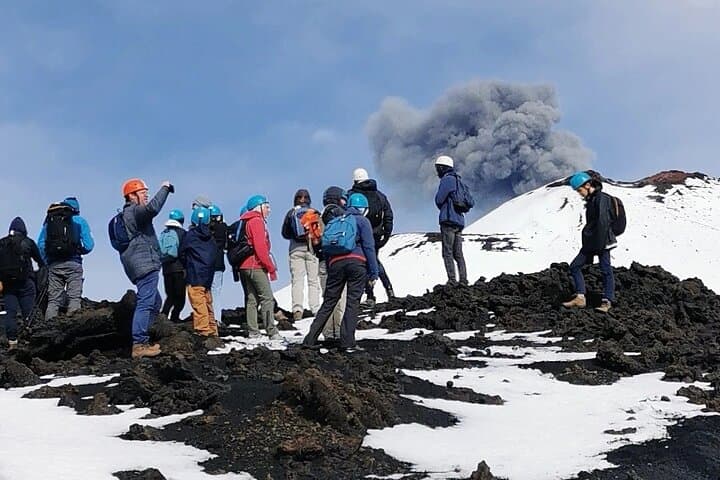
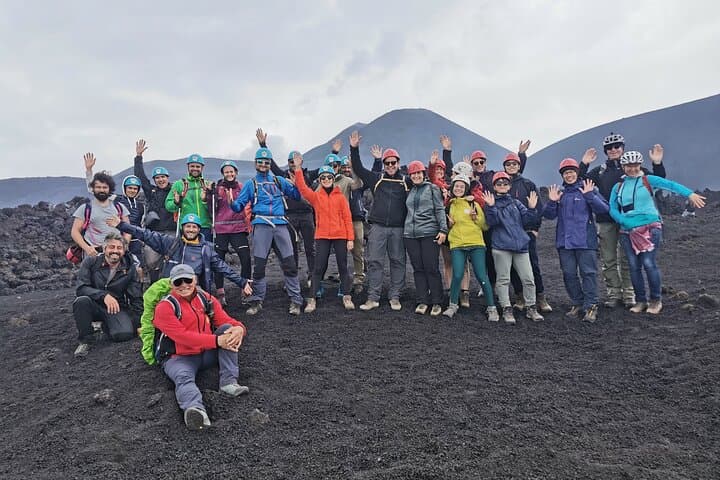
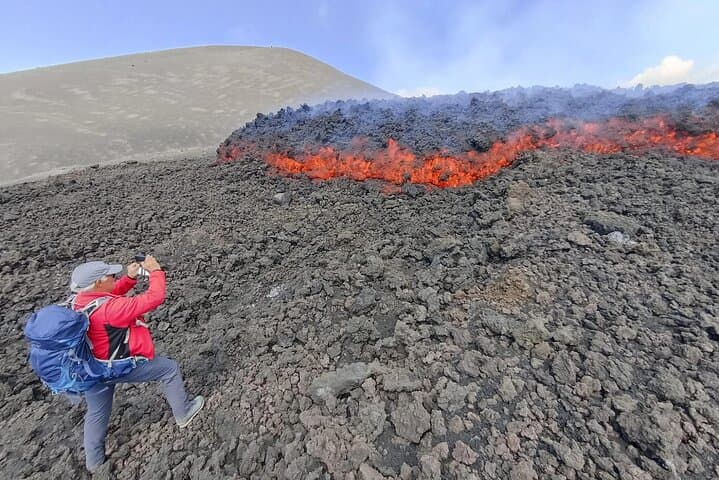
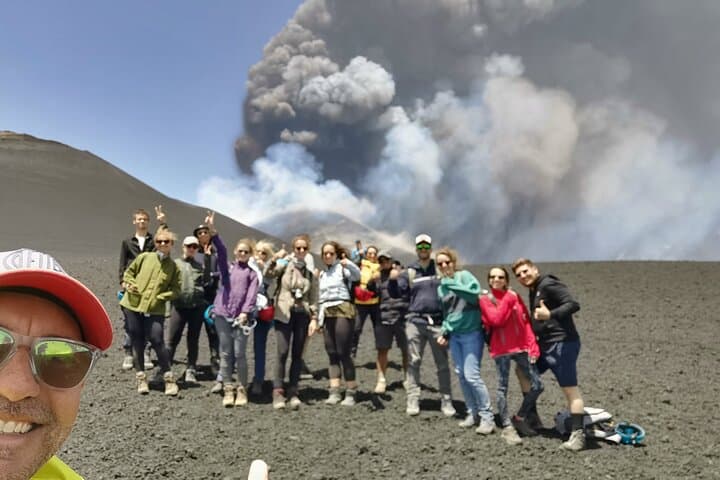
A wind-scoured ridge opens and the fumaroles hiss like a living instrument as travelers step off the cable car near 3,000 meters on Mount Etna. The air tastes of sulfur and stone; volcanic gravel crunches underfoot while the guide points to fresh lava flows and the ragged lips of active summit craters daring you to study their rims.
A wind-scoured ridge opens and the fumaroles hiss like a living instrument as travelers step off the cable car near 3,000 meters on Mount Etna. The air tastes of sulfur and stone; volcanic gravel crunches underfoot while the guide points to fresh lava flows and the ragged lips of active summit craters daring you to study their rims.
Etna is Europe’s most active volcano, its modern cones laid atop a complex structure that began forming some 9,000 years ago after large caldera collapses. The south cable car and high-altitude hikes reveal a geological timeline in black and gray: pahoehoe and a’a flows, recent scoria cones from the 2002–2003 eruption, and fumarolic vents that vent steam and sulfur. Local culture is rooted in agriculture below — vineyards and hazelnut groves thrive on rich volcanic soils — while guides add volcanological context and safety protocols for high-altitude terrain.
Practically, this excursion pairs mechanical ascent with on-foot exploration: cable car lift, a guided trek along the edge of lateral craters, and stops at viewpoints over the ancient caldera. Expect loose gravel, short steep pitches, and sudden gusts; the helmet and poles supplied on many tours are useful. Aim for clear weather windows for views of the Ionian Sea and plan for rapid temperature swings.
Bring layered clothing, sturdy boots, sun protection and hydrate well before the climb. Book in advance for peak season and confirm pickup details if you need transport from Catania or nearby towns.