THE ADVENTURE COLLECTIVE® · Independent discovery and booking for outdoor travel

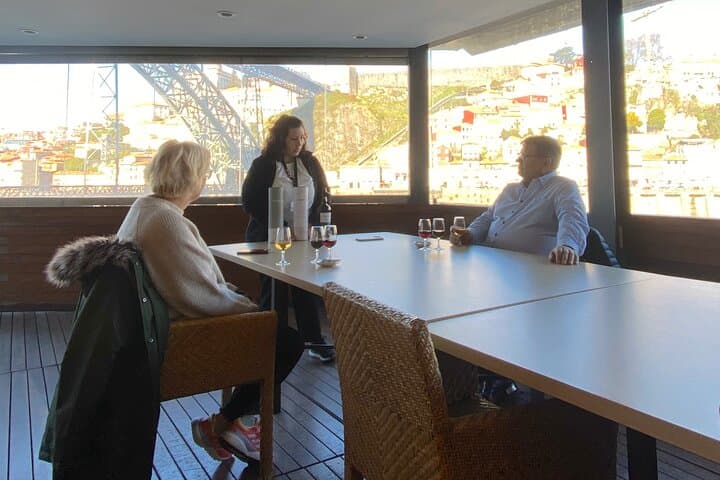
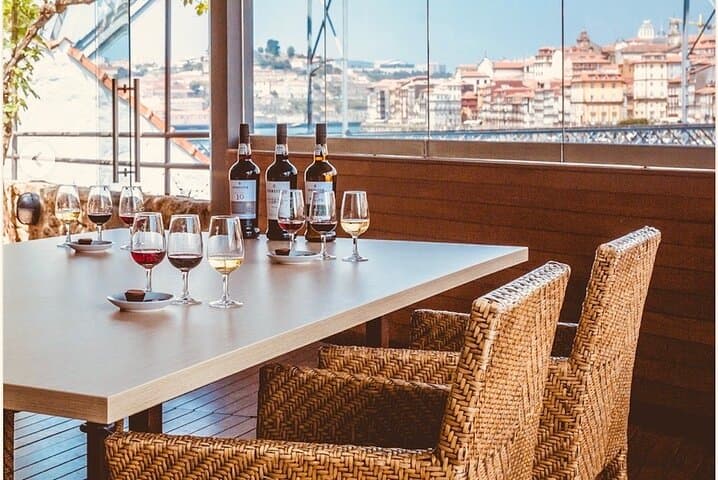
Step behind the heavy doors of Burmester Cellars for a private tour and premium Port tasting with sweeping views of the Dom Luís I Bridge and the Douro. This intimate, two-hour visit traces the brand’s history and the cellars where rare vintages quietly age.
Step behind the heavy doors of Burmester Cellars for a private tour and premium Port tasting with sweeping views of the Dom Luís I Bridge and the Douro. This intimate, two-hour visit traces the brand’s history and the cellars where rare vintages quietly age.
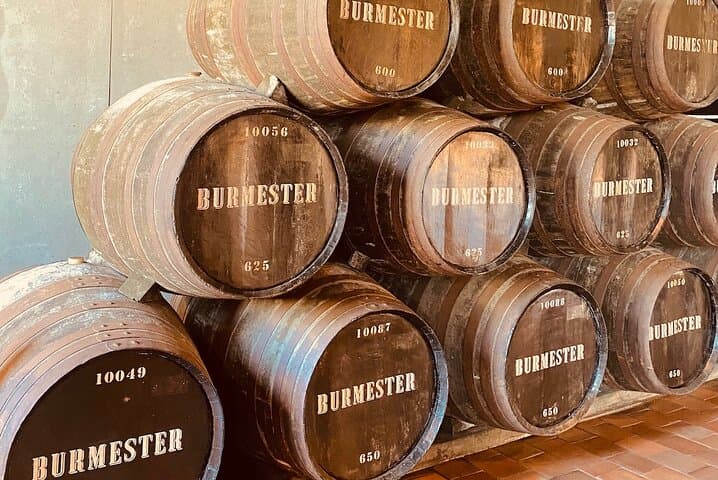
On the granite bank beneath the Dom Luís I Bridge, the Douro pushes its cool current past stone quays as the Burmester cellars open their heavy doors. Inside, light slants through high windows to illuminate rows of oak and stone — the air thick with the slow sweetness of aging Port and the quiet of vaults kept largely unchanged for generations.
Verified experiences and guided adventures in the surrounding area.
Operated by Time Off · Vila Nova de Gaia, Porto District
On the granite bank beneath the Dom Luís I Bridge, the Douro pushes its cool current past stone quays as the Burmester cellars open their heavy doors. Inside, light slants through high windows to illuminate rows of oak and stone — the air thick with the slow sweetness of aging Port and the quiet of vaults kept largely unchanged for generations.
Burmester’s story begins in 1750 in London with Henry Burmester and John Nash; their name migrated to Vila Nova de Gaia where the region’s geology — schist terraces upriver and the river’s estuary soils — shaped a wine economy built on long cellaring. The cellars reveal not just barrels but early winemaking tools and the scale of Port production; the view from the private tasting room frames Porto’s riverside life and the Dom Luís I Bridge, a reminder of the river’s role in trade and culture.
Expect a methodical, museum-like rhythm: a guided walkthrough of historic vaults, a look at the largest barrels, and a seated tasting of premium Ports. Senses drive the experience — wood and dried fruit on the palate, the river daring you to look beyond the glass.
Practical notes: the visit runs about two hours, is suitable for all fitness levels, and includes alcohol, so carry ID. Public transport to Gaia is straightforward; opt for a mid-morning slot to avoid crowds and to pair the tasting with a riverside lunch afterward. Dress in layers — the cellars stay cool year-round — and reserve in advance if you want a private slot with river views.
easy.
2 hours.
Suitable for all fitness levels; minimal walking and few stairs.
The experience lasts about two hours and includes a private guided cellar visit followed by a seated tasting.
Yes — a premium Port tasting in a private room is included as described in the itinerary.
The cellars have historic architecture and some uneven floors; contact the operator ahead to discuss accessibility needs and possible accommodations.
Pickup and drop-off can be arranged for an extra cost; otherwise the site is reachable by public transport from central Porto.
Burmester was founded in 1750 in London and established cellars in Vila Nova de Gaia; those vaults are central to Porto’s long tradition of aging Port for export.
The Douro and Gaia quays are sensitive urban-river habitats; visitors are encouraged to use public transit, minimize waste, and respect cellar preservation rules to protect historic infrastructure.
Time Off operates guided outdoor trips and adventures with an emphasis on safety, stewardship, and memorable experiences.

On the granite bank beneath the Dom Luís I Bridge, the Douro pushes its cool current past stone quays as the Burmester cellars open their heavy doors. Inside, light slants through high windows to illuminate rows of oak and stone — the air thick with the slow sweetness of aging Port and the quiet of vaults kept largely unchanged for generations.
On the granite bank beneath the Dom Luís I Bridge, the Douro pushes its cool current past stone quays as the Burmester cellars open their heavy doors. Inside, light slants through high windows to illuminate rows of oak and stone — the air thick with the slow sweetness of aging Port and the quiet of vaults kept largely unchanged for generations.
Burmester’s story begins in 1750 in London with Henry Burmester and John Nash; their name migrated to Vila Nova de Gaia where the region’s geology — schist terraces upriver and the river’s estuary soils — shaped a wine economy built on long cellaring. The cellars reveal not just barrels but early winemaking tools and the scale of Port production; the view from the private tasting room frames Porto’s riverside life and the Dom Luís I Bridge, a reminder of the river’s role in trade and culture.
Expect a methodical, museum-like rhythm: a guided walkthrough of historic vaults, a look at the largest barrels, and a seated tasting of premium Ports. Senses drive the experience — wood and dried fruit on the palate, the river daring you to look beyond the glass.
Practical notes: the visit runs about two hours, is suitable for all fitness levels, and includes alcohol, so carry ID. Public transport to Gaia is straightforward; opt for a mid-morning slot to avoid crowds and to pair the tasting with a riverside lunch afterward. Dress in layers — the cellars stay cool year-round — and reserve in advance if you want a private slot with river views.