THE ADVENTURE COLLECTIVE® · Independent discovery and booking for outdoor travel

Floatplane to an exclusive island site in Southeast Alaska for intimate brown bear viewing under a commercial permit. Expect a 6–8 hour outing with guided hikes across tidal flats and old-growth stands—no crowds, just focused wildlife observation.
Floatplane to an exclusive island site in Southeast Alaska for intimate brown bear viewing under a commercial permit. Expect a 6–8 hour outing with guided hikes across tidal flats and old-growth stands—no crowds, just focused wildlife observation.
You step from a small hangar in Juneau into the hiss of a floatplane, the Tongass National Forest sliding beneath you like a stitched green blanket. The plane settles on glassy water and the island ahead unfolds — cobbled beaches, dense Sitka spruce, and tidal flats where bears come down to feed. The air smells cold and alive; the guide checks gear with a calm, practiced rhythm.
Verified experiences and guided adventures in the surrounding area.
Operated by Bear Creek Outfitters · Juneau, Alaska
You step from a small hangar in Juneau into the hiss of a floatplane, the Tongass National Forest sliding beneath you like a stitched green blanket. The plane settles on glassy water and the island ahead unfolds — cobbled beaches, dense Sitka spruce, and tidal flats where bears come down to feed. The air smells cold and alive; the guide checks gear with a calm, practiced rhythm.
This corner of Southeast Alaska is shaped by glaciers and high tides. The islands were home to Tlingit communities for millennia, who read the landscape by salmon runs and changing shorelines. Modern bear-viewing operates under strict commercial permits to reduce disturbance; learning protocols here is part of the cultural exchange between guides, scientists, and local people.
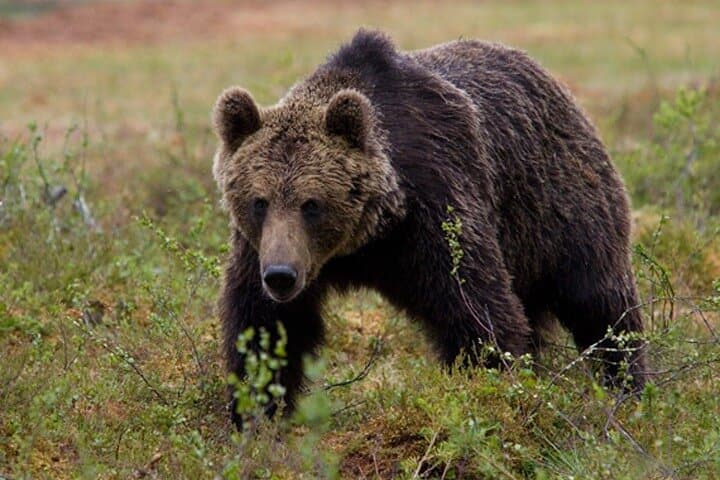
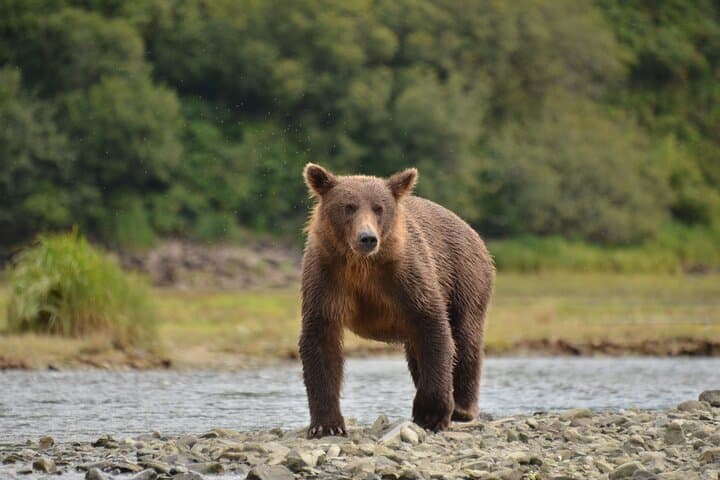
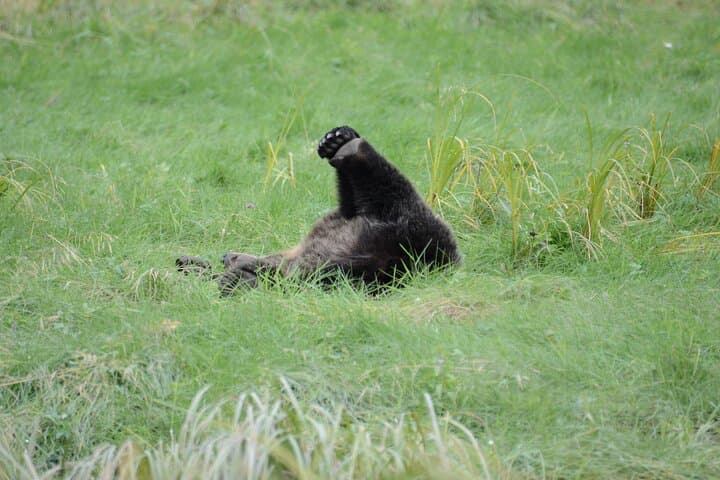
Geologically the terrain is coastal temperate rainforest over a mosaic of glacial tills and bedrock; expect boggy sections, driftwood-strewn beaches, and low ridgelines that give sudden, sweeping views of inlets. Brown bears in this region focus on intertidal feeding and salmon streams — they move with intent, aware of tides and food.
Practical guidance: plan for a 6–8 hour day that includes a floatplane shuttle and up to a mile of walking on uneven ground. Guides provide waterproof waders, rain gear, binoculars, and a spotting scope, but bring layered clothing, sturdy boots, and a dry camera bag. Keep distance, follow the guide’s instructions, and prepare for weather changes; Alaska’s coast can shift from sun to rain within an hour. This is an intimate, safety-first encounter for people ready to trade crowds for solitude and close observation of wild bears in their element.
challenging.
6–8 hours.
Moderate fitness required—able to hike ~1 mile on uneven, sometimes boggy terrain and stand for long observation periods.
The outing lasts about 6–8 hours and includes a private scenic floatplane, guided bear viewing, picnic lunch, bottled water, snacks, and use of waders, rain gear, binoculars, and a spotting scope.
Travelers must be able to hike at least a mile over uneven terrain; it’s not recommended for people with serious spinal or cardiovascular issues or significant mobility impairments.
No wildlife sighting can be guaranteed, but the trip visits areas with one of the densest concentrations of brown bears and is led by guides experienced in locating and interpreting bear activity.
All sales are final and non-refundable; the operator may cancel for unsafe weather and will notify you in advance when possible.
The region has long been used by Tlingit people; modern guide operations work within permit systems established to protect both wildlife and cultural practices.
Operators work under exclusive commercial permits to limit visitor pressure; guests should follow Leave No Trace and local wildlife protocols to minimize disturbance.
Bear Creek Outfitters operates guided outdoor trips and adventures with an emphasis on safety, stewardship, and memorable experiences.
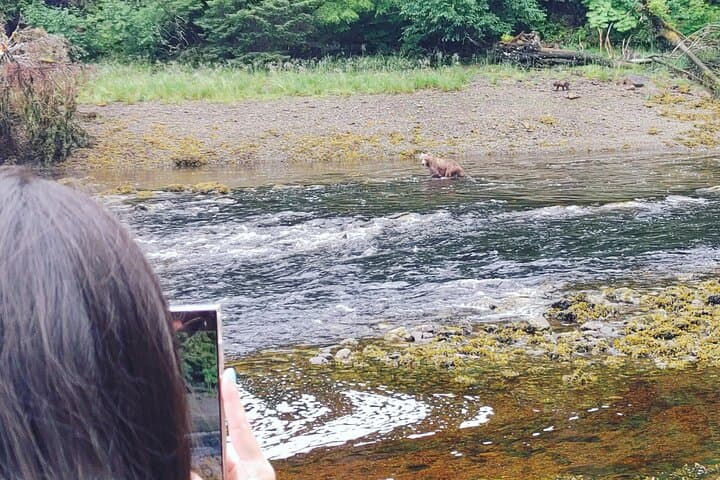
You step from a small hangar in Juneau into the hiss of a floatplane, the Tongass National Forest sliding beneath you like a stitched green blanket. The plane settles on glassy water and the island ahead unfolds — cobbled beaches, dense Sitka spruce, and tidal flats where bears come down to feed. The air smells cold and alive; the guide checks gear with a calm, practiced rhythm.
You step from a small hangar in Juneau into the hiss of a floatplane, the Tongass National Forest sliding beneath you like a stitched green blanket. The plane settles on glassy water and the island ahead unfolds — cobbled beaches, dense Sitka spruce, and tidal flats where bears come down to feed. The air smells cold and alive; the guide checks gear with a calm, practiced rhythm.
This corner of Southeast Alaska is shaped by glaciers and high tides. The islands were home to Tlingit communities for millennia, who read the landscape by salmon runs and changing shorelines. Modern bear-viewing operates under strict commercial permits to reduce disturbance; learning protocols here is part of the cultural exchange between guides, scientists, and local people.
Geologically the terrain is coastal temperate rainforest over a mosaic of glacial tills and bedrock; expect boggy sections, driftwood-strewn beaches, and low ridgelines that give sudden, sweeping views of inlets. Brown bears in this region focus on intertidal feeding and salmon streams — they move with intent, aware of tides and food.
Practical guidance: plan for a 6–8 hour day that includes a floatplane shuttle and up to a mile of walking on uneven ground. Guides provide waterproof waders, rain gear, binoculars, and a spotting scope, but bring layered clothing, sturdy boots, and a dry camera bag. Keep distance, follow the guide’s instructions, and prepare for weather changes; Alaska’s coast can shift from sun to rain within an hour. This is an intimate, safety-first encounter for people ready to trade crowds for solitude and close observation of wild bears in their element.