THE ADVENTURE COLLECTIVE® · Independent discovery and booking for outdoor travel

Spend a full day exploring Évora’s layered past—Roman ruins, the Bone Chapel, Almendres’ stone circle and the massive Anta Grande do Zambujeiro—combined with a traditional Alentejo lunch and private transport.
Spend a full day exploring Évora’s layered past—Roman ruins, the Bone Chapel, Almendres’ stone circle and the massive Anta Grande do Zambujeiro—combined with a traditional Alentejo lunch and private transport.
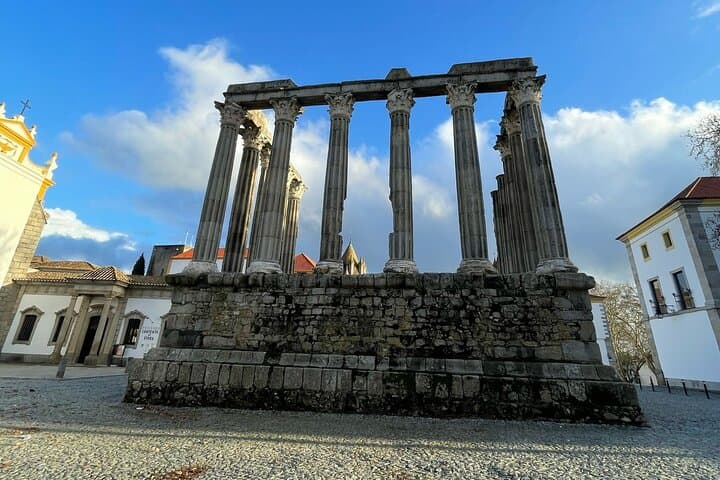
A dust-scented morning in Évora opens with the city’s stonework catching low light—Roman columns standing like old sentinels and whitewashed façades that have absorbed centuries of wind. The day moves from tight medieval alleys into open Alentejo plains where megaliths rise from scrub: slabs and circles that predate written history and still command the landscape.
Verified experiences and guided adventures in the surrounding area.
Operated by Burriscas Adventure · Évora, Évora District
A dust-scented morning in Évora opens with the city’s stonework catching low light—Roman columns standing like old sentinels and whitewashed façades that have absorbed centuries of wind. The day moves from tight medieval alleys into open Alentejo plains where megaliths rise from scrub: slabs and circles that predate written history and still command the landscape.
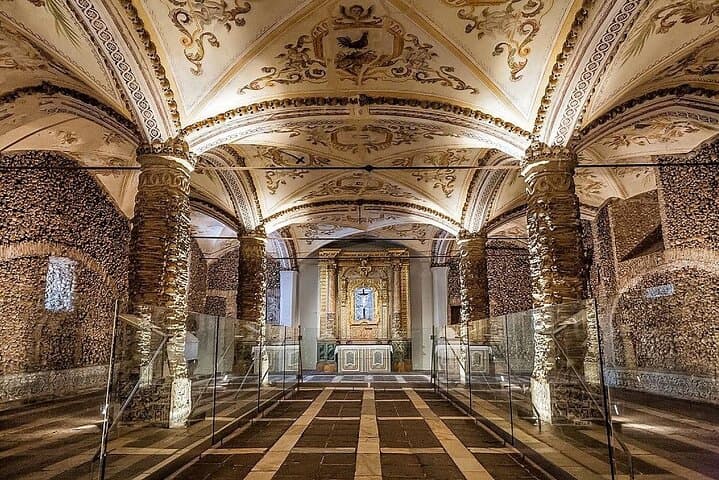
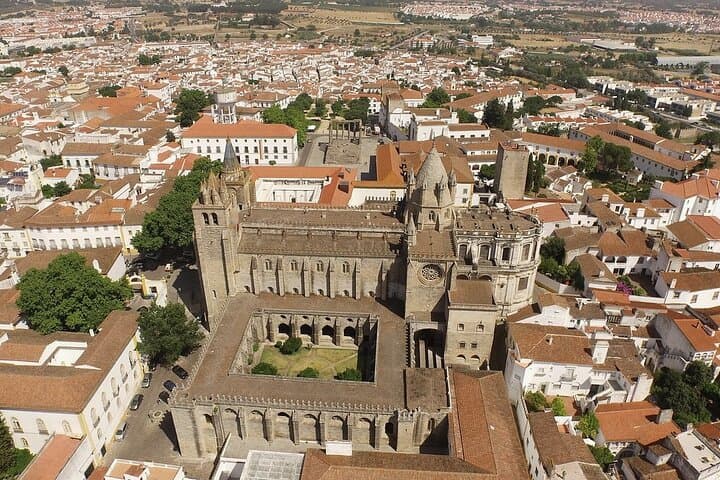
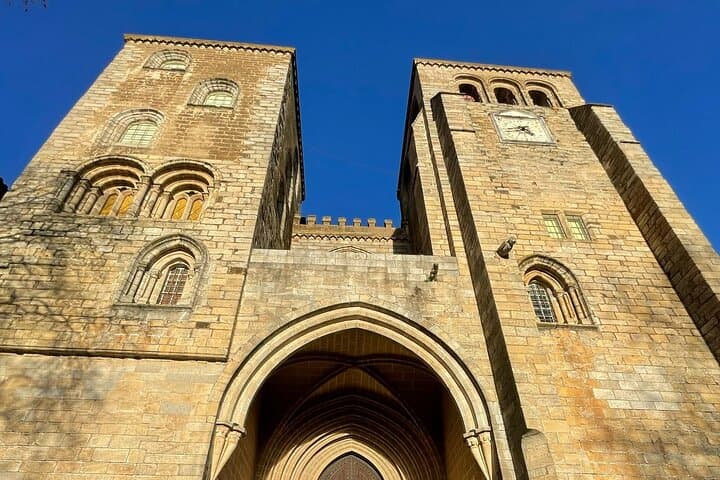
Évora itself is a city of layers. Roman merchants established a forum here; medieval bishops reworked the skyline with a cathedral and cloisters; and the Capela dos Ossos (Bone Chapel) offers a stark reminder of mortality carved into local limestone. The Cromeleque dos Almendres complex, set on rolling granite outcrops, is one of Europe’s largest stone circles—megalith builders used locally sourced granite and positioned stones with solar and lunar sightlines. Anta Grande do Zambujeiro, the Iberian Peninsula’s largest dolmen, showcases Neolithic burial architecture on a larger-than-life scale.
Culturally, Évora and the surrounding Alentejo are shaped by olive groves, cork oak montados, and a slow culinary rhythm—today’s traditional Alentejo lunch highlights regional bread, pork, and hearty stews.
Practical guidance: wear sturdy walking shoes for uneven granite, bring sun protection and a refillable water bottle, and expect a mix of paved streets and short dirt tracks. The tour lasts about eight hours with transport between sites; bring a camera, but respect signage at protected monuments—do not climb or lean on ancient stones. Morning light is best for photography; late afternoon returns soften the plains into warm tones.
easy.
8 hours.
Suitable for most fitness levels; requires short periods of walking and standing with occasional uneven ground.
Yes, the tour includes pick-up and private transportation—confirm your pickup point when booking.
Entrance to the Bone Chapel and other listed sites are included as noted in the itinerary.
No, lunch is provided but drinks are not included; bring cash or card to purchase beverages.
Yes; the tour is rated easy with short walks, but participants should be comfortable boarding a vehicle and walking on uneven terrain.
The megaliths at Almendres and Zambujeiro date to the Neolithic and Chalcolithic periods; Évora later became an important Roman and medieval center and retains architectural layers from both eras.
These prehistoric stones and historic buildings are fragile—stay on paths, follow signage, and avoid touching carved surfaces to reduce wear and erosion.
Burriscas Adventure operates guided outdoor trips and adventures with an emphasis on safety, stewardship, and memorable experiences.
A dust-scented morning in Évora opens with the city’s stonework catching low light—Roman columns standing like old sentinels and whitewashed façades that have absorbed centuries of wind. The day moves from tight medieval alleys into open Alentejo plains where megaliths rise from scrub: slabs and circles that predate written history and still command the landscape.
A dust-scented morning in Évora opens with the city’s stonework catching low light—Roman columns standing like old sentinels and whitewashed façades that have absorbed centuries of wind. The day moves from tight medieval alleys into open Alentejo plains where megaliths rise from scrub: slabs and circles that predate written history and still command the landscape.
Évora itself is a city of layers. Roman merchants established a forum here; medieval bishops reworked the skyline with a cathedral and cloisters; and the Capela dos Ossos (Bone Chapel) offers a stark reminder of mortality carved into local limestone. The Cromeleque dos Almendres complex, set on rolling granite outcrops, is one of Europe’s largest stone circles—megalith builders used locally sourced granite and positioned stones with solar and lunar sightlines. Anta Grande do Zambujeiro, the Iberian Peninsula’s largest dolmen, showcases Neolithic burial architecture on a larger-than-life scale.
Culturally, Évora and the surrounding Alentejo are shaped by olive groves, cork oak montados, and a slow culinary rhythm—today’s traditional Alentejo lunch highlights regional bread, pork, and hearty stews.
Practical guidance: wear sturdy walking shoes for uneven granite, bring sun protection and a refillable water bottle, and expect a mix of paved streets and short dirt tracks. The tour lasts about eight hours with transport between sites; bring a camera, but respect signage at protected monuments—do not climb or lean on ancient stones. Morning light is best for photography; late afternoon returns soften the plains into warm tones.