THE ADVENTURE COLLECTIVE® · Independent discovery and booking for outdoor travel

Approach hives under a guided safety briefing, watch a live honey extraction and taste artisanal varieties sourced from Évora’s wildflower and cork oak landscapes. This three-hour apiary visit combines hands-on learning with practical tips for supporting pollinators.
Approach hives under a guided safety briefing, watch a live honey extraction and taste artisanal varieties sourced from Évora’s wildflower and cork oak landscapes. This three-hour apiary visit combines hands-on learning with practical tips for supporting pollinators.
You step from the low-slung white farmhouse into a courtyard where the low hum of wings fills the air — bees darting like living punctuation between sunlit frames. The guide fits each visitor with a lightweight protective suit and explains, in clear, patient tones, how the hive is organized: queen, workers, drones — a social machine tuned to pollinate the surrounding cork oaks and wildflower fields.
Verified experiences and guided adventures in the surrounding area.
Operated by Burriscas Adventure · Évora, Évora District
You step from the low-slung white farmhouse into a courtyard where the low hum of wings fills the air — bees darting like living punctuation between sunlit frames. The guide fits each visitor with a lightweight protective suit and explains, in clear, patient tones, how the hive is organized: queen, workers, drones — a social machine tuned to pollinate the surrounding cork oaks and wildflower fields.
This experience sits in Alentejo country, an agricultural landscape shaped by granite outcrops and wide plains. Beekeeping here blends centuries-old rural practice with modern techniques; local honey reflects the region’s geology and flora, carrying notes from eucalyptus, rosemary, and orange blossom. The apiary visit includes a close look at hive structure, a demonstration of honey extraction, and guided tastings of artisanal varieties.
Culturally, honey is both ingredient and livelihood in this part of Portugal — small producers maintain family traditions even as they adapt to conservation concerns.
Practically, the three-hour visit is paced for accessibility: a safety briefing, a supervised hive approach, and a hands-on extraction demo. Expect standing on uneven ground and brief walking between apiary stations. Guides provide suits and instructions; avoid strong perfumes and wear closed-toe shoes. Listen for the cadence of the beekeeper’s tools and the bees’ steady work — they’ll seem to actively patrol and negotiate the garden’s blooms.
By the end you’ll leave with fresh honey on your palate and a clearer sense of how pollinators connect geology, farming, and local taste — plus actionable tips for supporting pollinator habitat back home.
easy.
3 hours.
Suitable for most fitness levels; requires standing, short walks, and ability to don light protective equipment.
Yes — organizers supply lightweight protective suits and a safety briefing; wearing it during hive approaches is mandatory.
Children can join but must be supervised and may need to sit on a lap for transport; check age requirements with the operator before booking.
Yes — the itinerary includes a honey extraction demonstration followed by tastings of artisanal local honey varieties.
No — people with known severe bee allergies should avoid close hive interactions and check with the operator about distance-only observation options.
Beekeeping in Alentejo has deep rural roots; small-scale apiculture has long complemented cork and olive agriculture as a seasonal income for families.
The region emphasizes pollinator-friendly practices; reducing pesticide use and planting native forage supports hive health and local biodiversity.
Burriscas Adventure operates guided outdoor trips and adventures with an emphasis on safety, stewardship, and memorable experiences.
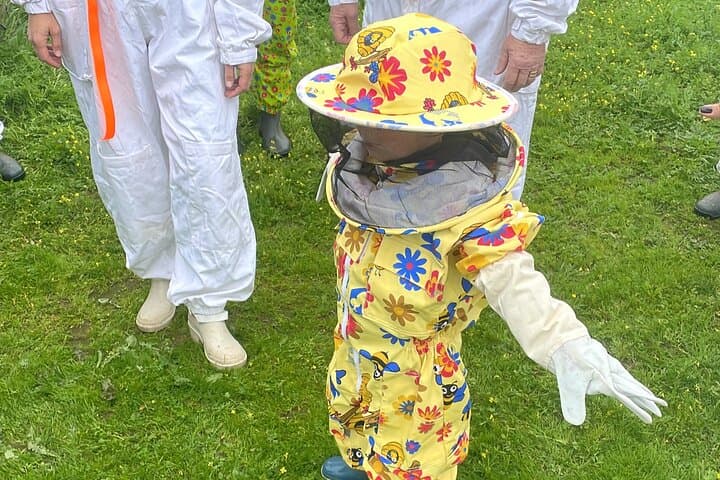
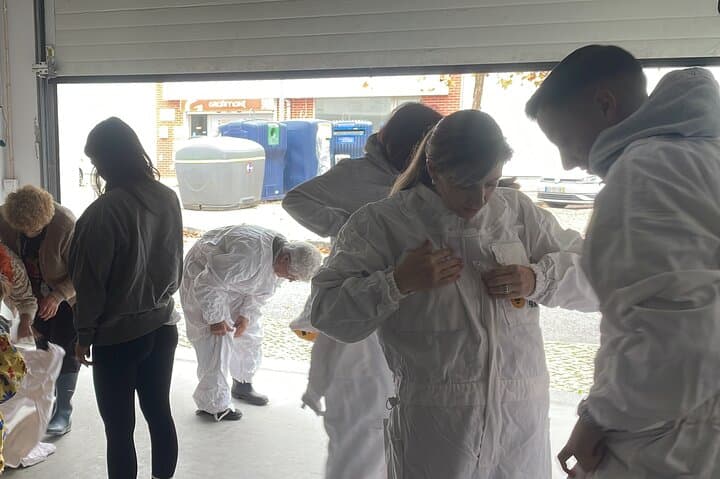
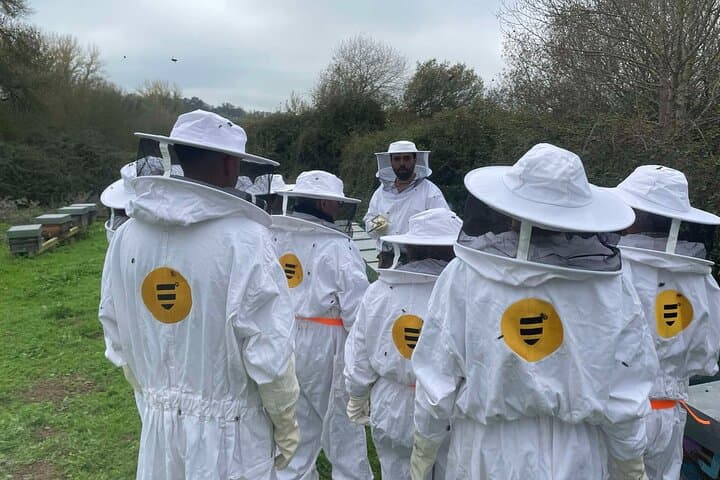
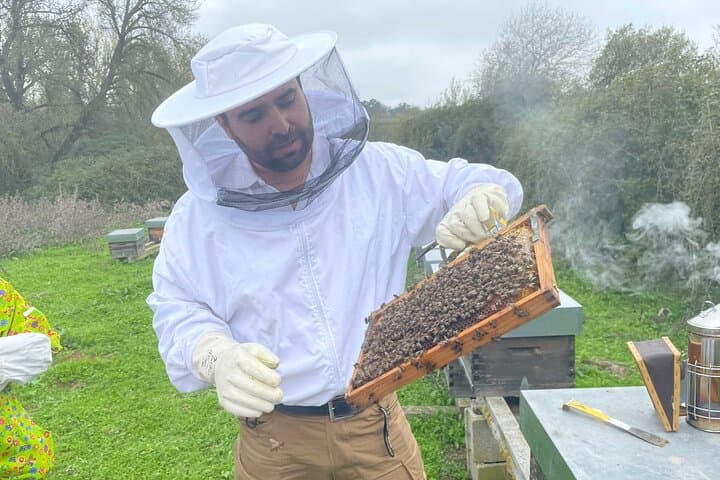
You step from the low-slung white farmhouse into a courtyard where the low hum of wings fills the air — bees darting like living punctuation between sunlit frames. The guide fits each visitor with a lightweight protective suit and explains, in clear, patient tones, how the hive is organized: queen, workers, drones — a social machine tuned to pollinate the surrounding cork oaks and wildflower fields.
You step from the low-slung white farmhouse into a courtyard where the low hum of wings fills the air — bees darting like living punctuation between sunlit frames. The guide fits each visitor with a lightweight protective suit and explains, in clear, patient tones, how the hive is organized: queen, workers, drones — a social machine tuned to pollinate the surrounding cork oaks and wildflower fields.
This experience sits in Alentejo country, an agricultural landscape shaped by granite outcrops and wide plains. Beekeeping here blends centuries-old rural practice with modern techniques; local honey reflects the region’s geology and flora, carrying notes from eucalyptus, rosemary, and orange blossom. The apiary visit includes a close look at hive structure, a demonstration of honey extraction, and guided tastings of artisanal varieties.
Culturally, honey is both ingredient and livelihood in this part of Portugal — small producers maintain family traditions even as they adapt to conservation concerns.
Practically, the three-hour visit is paced for accessibility: a safety briefing, a supervised hive approach, and a hands-on extraction demo. Expect standing on uneven ground and brief walking between apiary stations. Guides provide suits and instructions; avoid strong perfumes and wear closed-toe shoes. Listen for the cadence of the beekeeper’s tools and the bees’ steady work — they’ll seem to actively patrol and negotiate the garden’s blooms.
By the end you’ll leave with fresh honey on your palate and a clearer sense of how pollinators connect geology, farming, and local taste — plus actionable tips for supporting pollinator habitat back home.