THE ADVENTURE COLLECTIVE® · Independent discovery and booking for outdoor travel

Spend a full day at Everland — South Korea’s largest theme park — combining high‑thrill rides like T‑Express with family‑friendly Zootopia exhibits and seasonal festivals. This guide explains what to expect and how to plan an efficient, enjoyable visit.
Spend a full day at Everland — South Korea’s largest theme park — combining high‑thrill rides like T‑Express with family‑friendly Zootopia exhibits and seasonal festivals. This guide explains what to expect and how to plan an efficient, enjoyable visit.
A morning at Everland begins with the brassy call of parade drums and the mechanical whine of a coaster cresting the first hill. Walkways open into broad plazas, themed streets spill into gardens, and the distant roar of T‑Express punctuates the air — an immediate contrast between careful landscaping and high‑adrenaline engineering.
Verified experiences and guided adventures in the surrounding area.
Operated by TREVOPEDIA · Yongin, Gyeonggi-do
A morning at Everland begins with the brassy call of parade drums and the mechanical whine of a coaster cresting the first hill. Walkways open into broad plazas, themed streets spill into gardens, and the distant roar of T‑Express punctuates the air — an immediate contrast between careful landscaping and high‑adrenaline engineering.
Opened in the mid‑1970s as part of a larger leisure development, Everland grew into South Korea’s largest theme park, combining themed areas, performance stages, and a zoological sector known as Zootopia. The park sits on rolling lowland carved from the Gyeonggi plain rather than dramatic peaks; geology plays a subtle role here, shaping gentle slopes and planted terraces that frame views back toward the city.
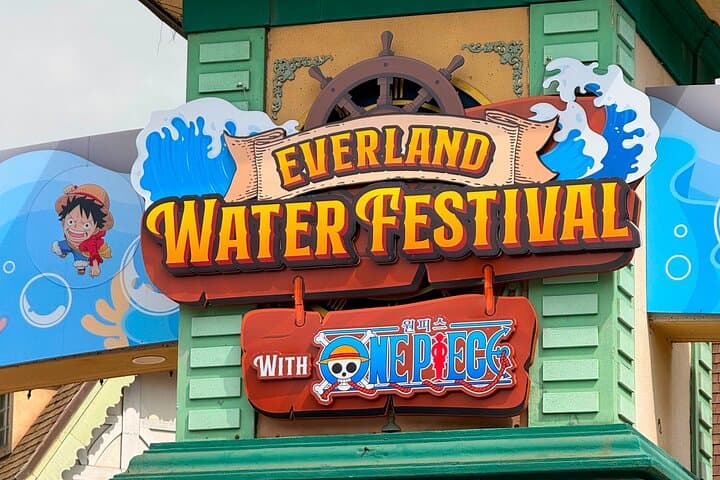
Culturally, Everland reflects a blend of international theme‑park tropes and distinctly Korean seasonal festivals — spring flower shows and autumn light displays are especially popular with local families.
Practical guidance: plan 6–8 hours to see major attractions and Zootopia; arrive at opening to beat midday crowds and reserve ride time for T‑Express if lines are long. Wear sturdy walking shoes — paths are paved but extensive — and carry a lightweight rain layer during monsoon season. Food options span kiosks to sit‑down restaurants, and the park is largely wheelchair and stroller accessible. For international visitors: this particular admission ticket is intended for non‑Korean nationals and requires mobile or printed confirmation. Keep hydration, a phone charger, and a basic map handy; with a bit of planning Everland delivers both family‑friendly moments and high‑thrill rides in one compact, walkable experience.
easy.
6–8 hours.
Light to moderate; expect a lot of walking on paved routes with occasional standing in queues
No — this particular ticket option is intended for non‑Korean nationals; Korean residents should purchase local tickets or check the park’s official site for resident pricing.
Public transport options include shuttle buses and regional trains to Yongin followed by local buses or taxis; expect 40–60 minutes from southern Seoul depending on traffic.
Yes — general admission covers park rides and the Zootopia animal area, though some special experiences inside Zootopia or seasonal shows may have separate fees or limited capacity.
Yes — most paths and surfaces are wheelchair accessible and stroller‑friendly; guest services can advise on elevator locations and accessible routes.
Everland opened in the 1970s as part of a commercial leisure complex and expanded over decades into themed zones and a major zoological attraction popular with domestic and international visitors.
The park participates in captive care and education programs through Zootopia; visitors should avoid feeding animals, follow signage, and support waste‑separation stations to reduce visitor impact.
TREVOPEDIA operates guided outdoor trips and adventures with an emphasis on safety, stewardship, and memorable experiences.
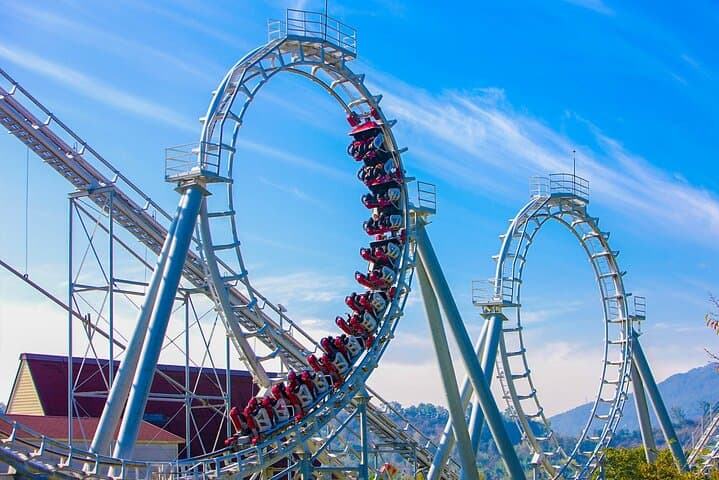
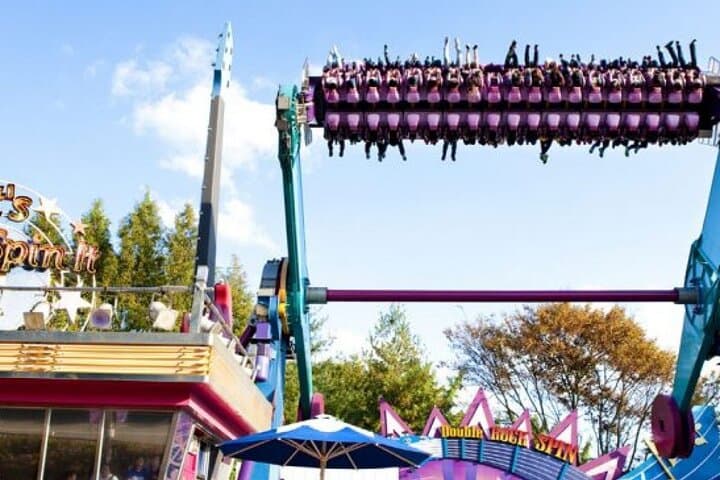
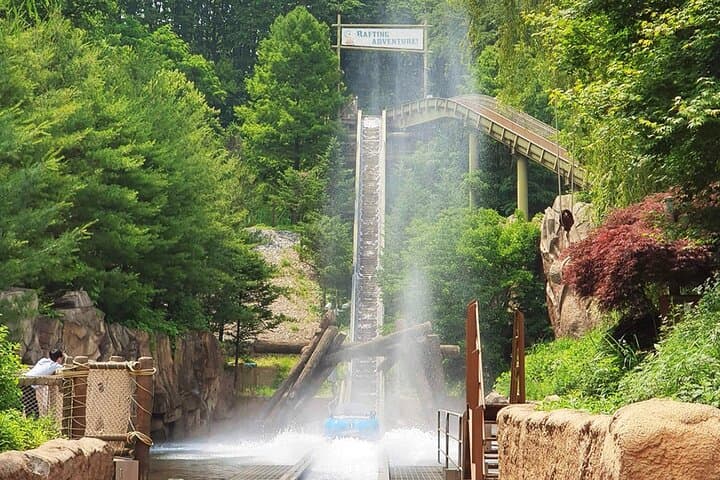
A morning at Everland begins with the brassy call of parade drums and the mechanical whine of a coaster cresting the first hill. Walkways open into broad plazas, themed streets spill into gardens, and the distant roar of T‑Express punctuates the air — an immediate contrast between careful landscaping and high‑adrenaline engineering.
A morning at Everland begins with the brassy call of parade drums and the mechanical whine of a coaster cresting the first hill. Walkways open into broad plazas, themed streets spill into gardens, and the distant roar of T‑Express punctuates the air — an immediate contrast between careful landscaping and high‑adrenaline engineering.
Opened in the mid‑1970s as part of a larger leisure development, Everland grew into South Korea’s largest theme park, combining themed areas, performance stages, and a zoological sector known as Zootopia. The park sits on rolling lowland carved from the Gyeonggi plain rather than dramatic peaks; geology plays a subtle role here, shaping gentle slopes and planted terraces that frame views back toward the city.
Culturally, Everland reflects a blend of international theme‑park tropes and distinctly Korean seasonal festivals — spring flower shows and autumn light displays are especially popular with local families.
Practical guidance: plan 6–8 hours to see major attractions and Zootopia; arrive at opening to beat midday crowds and reserve ride time for T‑Express if lines are long. Wear sturdy walking shoes — paths are paved but extensive — and carry a lightweight rain layer during monsoon season. Food options span kiosks to sit‑down restaurants, and the park is largely wheelchair and stroller accessible. For international visitors: this particular admission ticket is intended for non‑Korean nationals and requires mobile or printed confirmation. Keep hydration, a phone charger, and a basic map handy; with a bit of planning Everland delivers both family‑friendly moments and high‑thrill rides in one compact, walkable experience.