
Everglades Kayak & Canoe Rentals: Paddle the 10,000 Islands from Chokoloskee Bay
Glide through mangrove tunnels and across oyster-strewn flats on a guided kayak or canoe from Chokoloskee Bay into the Ten Thousand Islands. Expect wildlife sightings, tidal channels, and options for multi-day island camping.
An Adventure In Everglades City.
Glide through mangrove tunnels and across oyster-strewn flats on a guided kayak or canoe from Chokoloskee Bay into the Ten Thousand Islands. Expect wildlife sightings, tidal channels, and options for multi-day island camping.
Read the full experience
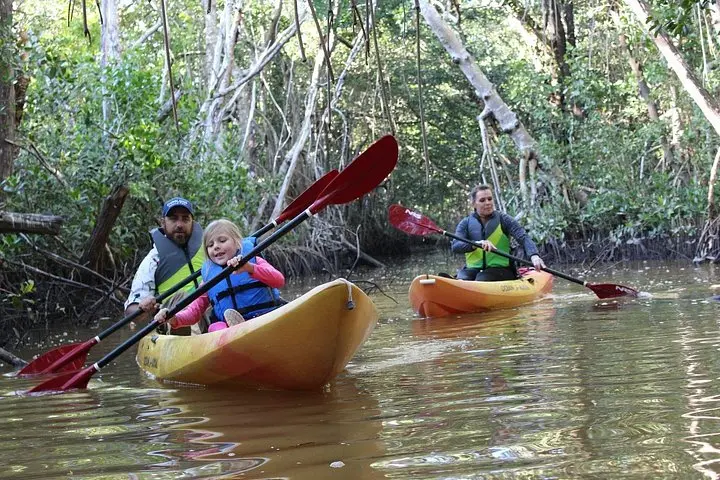
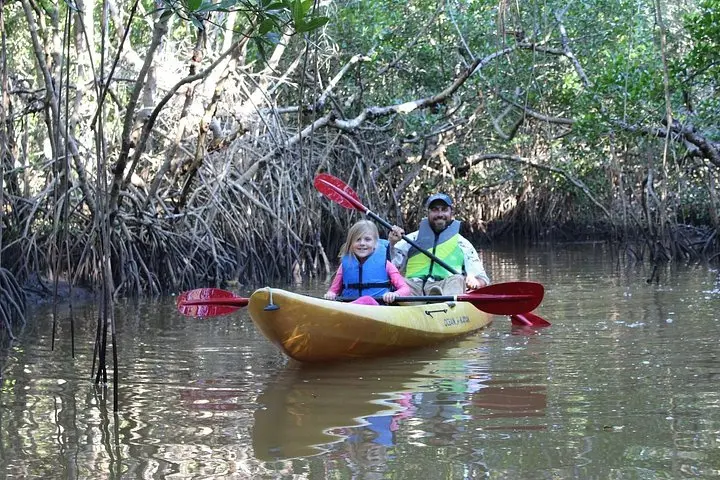
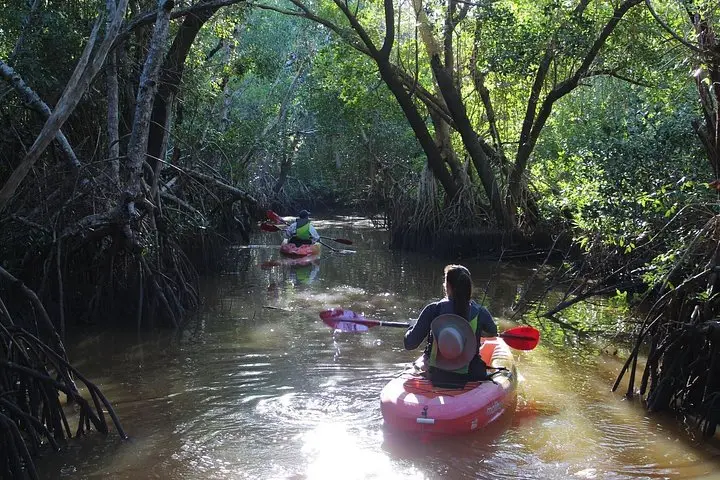
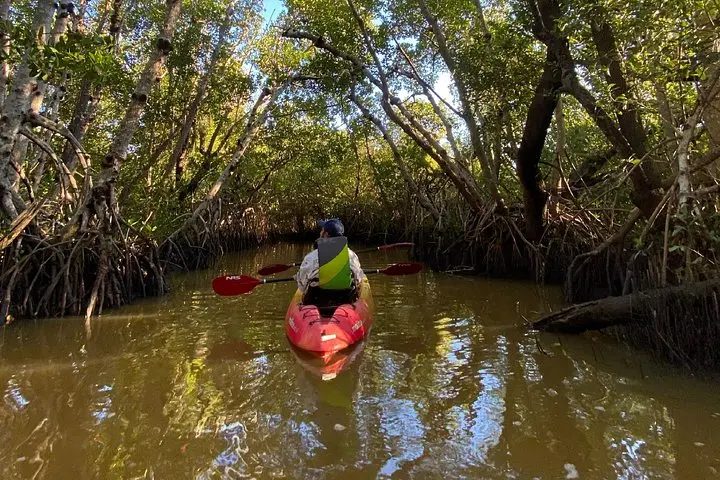
The tide eases you away from the mangrove fringe and the water opens into a scatter of oyster bars and low islands. Salt air and sawgrass carry a clean, briny scent as mangrove tunnels narrow and sunlight breaks into rippled shafts across black water. A guide sets your line, points out oyster-encrusted roots and calls attention to a distant dorsal fin; the place moves like a living map.
The tide eases you away from the mangrove fringe and the water opens into a scatter of oyster bars and low islands. Salt air and sawgrass carry a clean, briny scent as mangrove tunnels narrow and sunlight breaks into rippled shafts across black water. A guide sets your line, points out oyster-encrusted roots and calls attention to a distant dorsal fin; the place moves like a living map.
This stretch of the Ten Thousand Islands has been shaped by sea-level shifts and carbonate sands over millennia. The Calusa people once navigated these waterways in large canoes; today the same channels reveal their middens at low tide and the maritime history of fishermen and shrimpers that followed. Geologically, the low-relief islands are shell and sand banks held together by tangle roots and seagrass—sensitive ground that depends on careful travel.
Expect close wildlife encounters—manatees grazing in shallow seagrass, osprey perched on poles, and fiddler crabs scuttling along mudflats. Mangrove tunnels feel like corridors that dare you forward; off the islands the Gulf pushes a steady, open-water current to keep you honest.
Practical guidance: paddles are stable but bring a dry bag, reef-safe sunscreen, and layered sun protection; low wind windows and outgoing tides make for the easiest paddling. Multi-day campers can island-hop with permits—plan water resupply and practice low-impact camping. Operators often provide PFDs and a naturalist; still, basic paddling skills and comfort with open water will make the day safer and more enjoyable.
Frequently asked questions
Basic paddling skills and the ability to control direction and stop are recommended; guides can provide instruction, but comfort in small open-water conditions makes the trip safer.
Operators typically supply USCG-approved PFDs; check sizes and bring a personal one if you prefer a specific fit.
Multi-day rentals are available, but island camping requires permits, knowledge of tides, and careful planning for water and waste—confirm logistics with the outfitter.
Common sightings include manatees, dolphins, sea turtles, ospreys, and shorebirds; sighting is never guaranteed and varies by season and tide.
About This Experience
Guest Services Inc operates guided outdoor trips and adventures with an emphasis on safety, stewardship, and memorable experiences.
Adventure tips
Recommended gear
- Personal flotation device (PFD): Even if provided, wearing a properly fitted PFD is essential for safety in tidal channels and open water.
- Dry bag (10–20L): Protects clothes, electronics, and food from splashes and unexpected swamping.
- Hydration reservoir or water bottles: Enough water for the day plus electrolytes—heat and sun increase fluid needs.
- Wide-brim hat and UV shirt: Sun protection reduces risk of sunburn during long exposed paddling sections.
Photos of the experience
Related adventures & guides
Read the full experience
The tide eases you away from the mangrove fringe and the water opens into a scatter of oyster bars and low islands. Salt air and sawgrass carry a clean, briny scent as mangrove tunnels narrow and sunlight breaks into rippled shafts across black water. A guide sets your line, points out oyster-encrusted roots and calls attention to a distant dorsal fin; the place moves like a living map.
The tide eases you away from the mangrove fringe and the water opens into a scatter of oyster bars and low islands. Salt air and sawgrass carry a clean, briny scent as mangrove tunnels narrow and sunlight breaks into rippled shafts across black water. A guide sets your line, points out oyster-encrusted roots and calls attention to a distant dorsal fin; the place moves like a living map.
This stretch of the Ten Thousand Islands has been shaped by sea-level shifts and carbonate sands over millennia. The Calusa people once navigated these waterways in large canoes; today the same channels reveal their middens at low tide and the maritime history of fishermen and shrimpers that followed. Geologically, the low-relief islands are shell and sand banks held together by tangle roots and seagrass—sensitive ground that depends on careful travel.
Expect close wildlife encounters—manatees grazing in shallow seagrass, osprey perched on poles, and fiddler crabs scuttling along mudflats. Mangrove tunnels feel like corridors that dare you forward; off the islands the Gulf pushes a steady, open-water current to keep you honest.
Practical guidance: paddles are stable but bring a dry bag, reef-safe sunscreen, and layered sun protection; low wind windows and outgoing tides make for the easiest paddling. Multi-day campers can island-hop with permits—plan water resupply and practice low-impact camping. Operators often provide PFDs and a naturalist; still, basic paddling skills and comfort with open water will make the day safer and more enjoyable.
Make a day of it nearby.
Verified experiences and guided adventures in the surrounding area.