THE ADVENTURE COLLECTIVE® · Independent discovery and booking for outdoor travel

Short on time but want Everest? This 1-hour mountain flight from Kathmandu delivers panoramic views of Everest, Lhotse and Makalu with hotel pickup and minimal exertion. Read on for what to expect, practical tips, and seasonal advice.
Short on time but want Everest? This 1-hour mountain flight from Kathmandu delivers panoramic views of Everest, Lhotse and Makalu with hotel pickup and minimal exertion. Read on for what to expect, practical tips, and seasonal advice.
It begins on a clear morning at Tribhuvan International — engines warming, windows fogging with breath — and Kathmandu retreats beneath a quilt of temples and terraced fields until the Himalaya pushes into view.
Verified experiences and guided adventures in the surrounding area.
Operated by Saara Tourism Nepal-Travel Advisor in Nepal · Kathmandu, Bagmati Province
It begins on a clear morning at Tribhuvan International — engines warming, windows fogging with breath — and Kathmandu retreats beneath a quilt of temples and terraced fields until the Himalaya pushes into view.
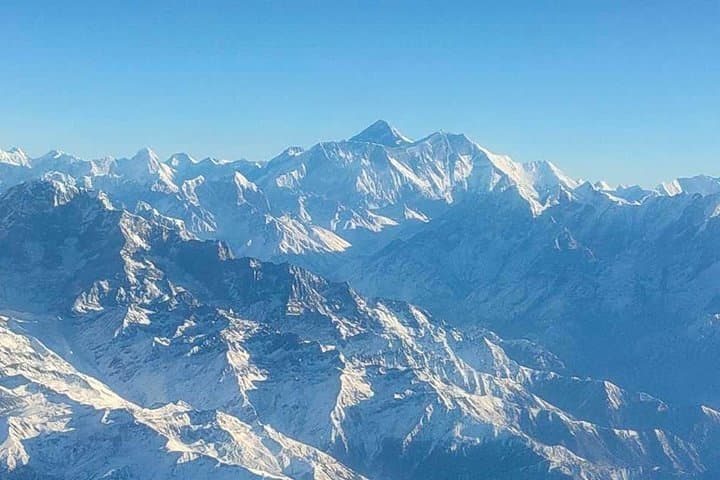
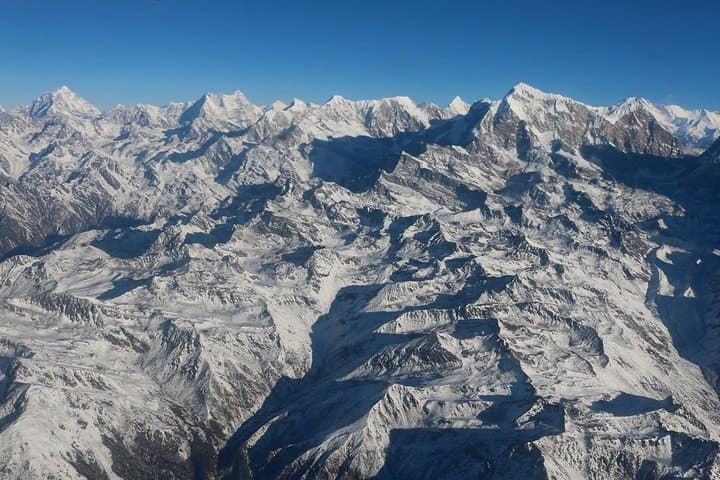
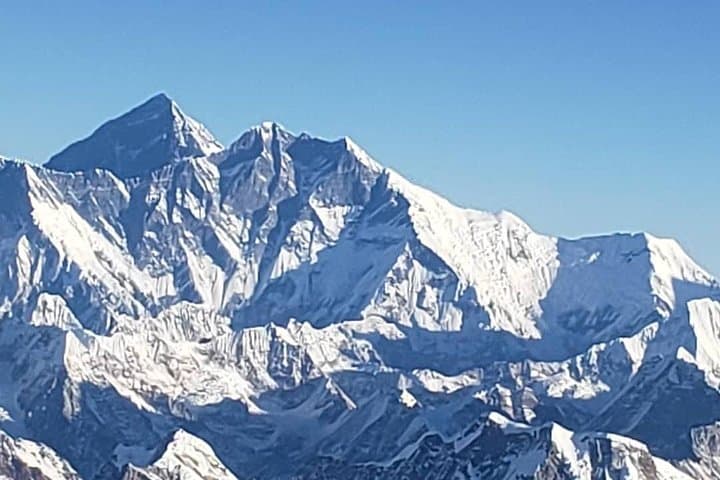
From the aircraft you skirt the lower ridgelines, then the range opens: Everest, Lhotse, Makalu and neighboring giants rise like urban blocks of rock and ice, their faces catching light and throwing shadows. Geologically these peaks are the result of the Indian plate colliding with Eurasia, a slow-motion shove that continues to lift the range a few millimeters a year. Culturally, the valley below has long been the gateway for Sherpa climbers, Tibetan traders and international expeditions; the sight of Everest from above connects both pilgrimage and scientific curiosity.
The flight is short and exacting: about an hour over the high peaks within a three-hour door-to-door window when you include hotel transfer and pre-flight checks. Expect turbulence pockets over passes, quick temperature swings if you open a window shade, and a photography race as peaks reveal themselves and vanish behind cloud.
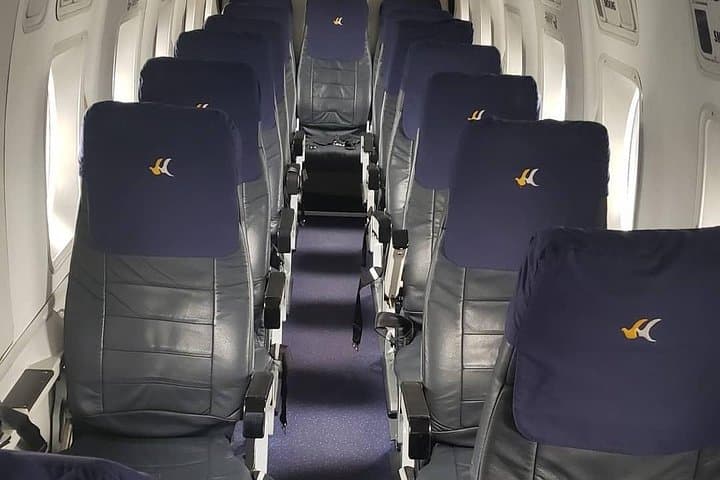
Practical guidance: request a right-side window for morning departures, charge batteries, and bring layers — cabins are drafty on climb-out. Flights are weather-dependent; visibility is best in fall and spring, and cancellations are common in monsoon and unsettled winter weather. For travelers short on time, this is an efficient way to experience the high Himalaya responsibly — leave no trash, support local operators, and treat the mountains as living neighbors whose moods govern your view.
easy.
2–3 hours.
Minimal physical exertion; suitable for most fitness levels though mobility to enter small aircraft is required
The scenic flight time over the Himalaya is approximately one hour; total tour time including pickup, briefing and transfers is typically 2–3 hours.
Operators commonly cancel flights for poor visibility or unsafe conditions; refunds or rebookings follow the tour’s cancellation policy and last-minute weather calls are possible.
You can request a preferred side when booking, but final seat assignments are controlled by the airline for weight-and-balance reasons.
Flights remain within pressurized/regulated small aircraft parameters; there’s minimal altitude exposure and the activity is suitable for most travelers, but check with your operator if you have specific medical concerns.
Kathmandu has been the expedition gateway to Everest since pre-1953 reconnaissance flights and became globally linked after Edmund Hillary and Tenzing Norgay’s 1953 summit.
Flights add emissions and noise; choose operators that support local communities and follow guidelines to minimize disturbance to mountain ecosystems.
Saara Tourism Nepal-Travel Advisor in Nepal operates guided outdoor trips and adventures with an emphasis on safety, stewardship, and memorable experiences.
It begins on a clear morning at Tribhuvan International — engines warming, windows fogging with breath — and Kathmandu retreats beneath a quilt of temples and terraced fields until the Himalaya pushes into view.
It begins on a clear morning at Tribhuvan International — engines warming, windows fogging with breath — and Kathmandu retreats beneath a quilt of temples and terraced fields until the Himalaya pushes into view.
From the aircraft you skirt the lower ridgelines, then the range opens: Everest, Lhotse, Makalu and neighboring giants rise like urban blocks of rock and ice, their faces catching light and throwing shadows. Geologically these peaks are the result of the Indian plate colliding with Eurasia, a slow-motion shove that continues to lift the range a few millimeters a year. Culturally, the valley below has long been the gateway for Sherpa climbers, Tibetan traders and international expeditions; the sight of Everest from above connects both pilgrimage and scientific curiosity.
The flight is short and exacting: about an hour over the high peaks within a three-hour door-to-door window when you include hotel transfer and pre-flight checks. Expect turbulence pockets over passes, quick temperature swings if you open a window shade, and a photography race as peaks reveal themselves and vanish behind cloud.
Practical guidance: request a right-side window for morning departures, charge batteries, and bring layers — cabins are drafty on climb-out. Flights are weather-dependent; visibility is best in fall and spring, and cancellations are common in monsoon and unsettled winter weather. For travelers short on time, this is an efficient way to experience the high Himalaya responsibly — leave no trash, support local operators, and treat the mountains as living neighbors whose moods govern your view.