THE ADVENTURE COLLECTIVE® · Independent discovery and booking for outdoor travel

Fly into Lukla at dawn and walk through Sherpa villages, suspension bridges and high-altitude pine to reach Tengboche and panoramic Everest views. This 8-day itinerary delivers big peaks, cultural highlights and practical acclimatization for first-time Himalayan trekkers.
Fly into Lukla at dawn and walk through Sherpa villages, suspension bridges and high-altitude pine to reach Tengboche and panoramic Everest views. This 8-day itinerary delivers big peaks, cultural highlights and practical acclimatization for first-time Himalayan trekkers.
A thin-winged plane drops you onto Lukla’s short runway at first light and the Himalaya meet you with cold, bright air. Prayer flags flap above stone lodges, the Dudh Koshi river dares you down-valley, and the ridgelines toward Tengboche unfold with ever-higher peaks—Everest, Lhotse, Ama Dablam—watching each step.
Verified experiences and guided adventures in the surrounding area.
Operated by Trekking Organizer Company in Nepal · Namche Bazaar, Solukhumbu
A thin-winged plane drops you onto Lukla’s short runway at first light and the Himalaya meet you with cold, bright air. Prayer flags flap above stone lodges, the Dudh Koshi river dares you down-valley, and the ridgelines toward Tengboche unfold with ever-higher peaks—Everest, Lhotse, Ama Dablam—watching each step.
This short circuit threads Sherpa villages and century-old Buddhist monasteries inside Sagarmatha National Park, a UNESCO-protected pocket of high Himalayan ecology. The range itself is recent on a geological timescale—the Indian plate thrusting under Eurasia created the lifetimes of the peaks you’ll see. Khumbu’s culture is defined by yak caravans, mani stones, and Tengboche Monastery’s daily puja; you’ll pass the Hillary School and feel the local reverence for Khumbila, the sacred mountain.
The itinerary typically runs 7–8 days: Lukla (2,860 m) to Phakding (3 hrs), then Namche Bazaar (3,440 m, 5–6 hrs), a day for acclimatization and short hikes, onward to Khumjung and Tengboche (3,860–4,000 m, 4–5 hrs segments). Trails alternate rocky steps, packed earth, and suspension bridges; expect 3–6 hours of hiking per day with intermittent steep pitches and up to ~800–1,000 m of gain on some days. Lodges provide basic hot meals and shared rooms; permits include TIMS and Sagarmatha National Park fees.
Practical tips: allow an extra buffer day for Lukla weather delays, prioritize acclimatization in Namche, drink often, layer for cold nights, and respect monastery etiquette. This trek balances dramatic summit views with manageable daily distances—an accessible Himalayan introduction if you plan for altitude and mountain logistics.
moderate.
8 days.
Good baseline cardio and ability to hike 3–6 hours per day; comfortable on uneven terrain and short steep sections.
Yes — TIMS card and Sagarmatha National Park entry permit are required; operators typically arrange these before departure.
The trek is suitable for fit beginners if you allow acclimatization days, pace conservatively, and watch for altitude symptoms.
Basic tourist lodges with shared rooms, hot meals and limited hot water; comfort increases in Namche and Lukla but expect simple facilities on route.
Spring (March–May) and fall (Sept–Nov) offer the most stable weather and clear views; monsoon summer is wetter and winter is much colder with more limited services.
The Khumbu valley developed as a trading corridor and Sherpa homeland; Tengboche Monastery (founded 1916) is a regional spiritual center and was rebuilt after the 1989 earthquake and 2015 quake damage.
Sagarmatha National Park protects fragile alpine ecosystems; stick to marked trails, minimize firewood use, and pack out waste to reduce impact.
Trekking Organizer Company in Nepal operates guided outdoor trips and adventures with an emphasis on safety, stewardship, and memorable experiences.
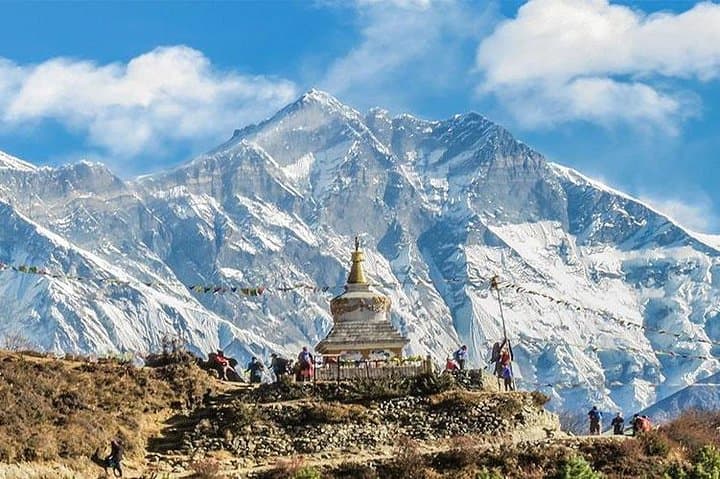
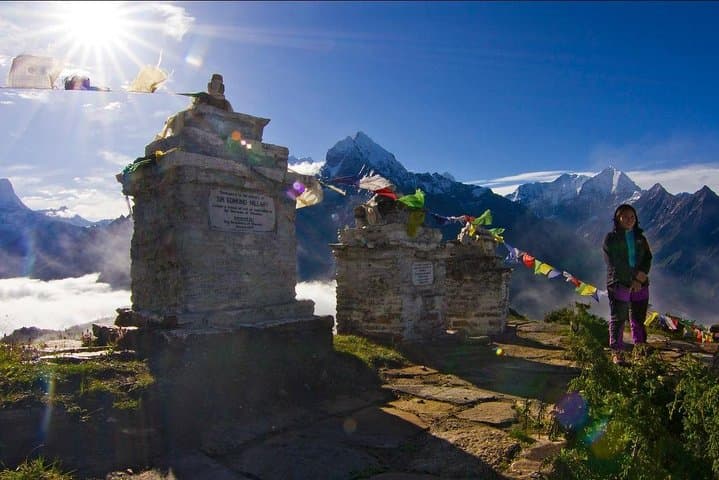
A thin-winged plane drops you onto Lukla’s short runway at first light and the Himalaya meet you with cold, bright air. Prayer flags flap above stone lodges, the Dudh Koshi river dares you down-valley, and the ridgelines toward Tengboche unfold with ever-higher peaks—Everest, Lhotse, Ama Dablam—watching each step.
A thin-winged plane drops you onto Lukla’s short runway at first light and the Himalaya meet you with cold, bright air. Prayer flags flap above stone lodges, the Dudh Koshi river dares you down-valley, and the ridgelines toward Tengboche unfold with ever-higher peaks—Everest, Lhotse, Ama Dablam—watching each step.
This short circuit threads Sherpa villages and century-old Buddhist monasteries inside Sagarmatha National Park, a UNESCO-protected pocket of high Himalayan ecology. The range itself is recent on a geological timescale—the Indian plate thrusting under Eurasia created the lifetimes of the peaks you’ll see. Khumbu’s culture is defined by yak caravans, mani stones, and Tengboche Monastery’s daily puja; you’ll pass the Hillary School and feel the local reverence for Khumbila, the sacred mountain.
The itinerary typically runs 7–8 days: Lukla (2,860 m) to Phakding (3 hrs), then Namche Bazaar (3,440 m, 5–6 hrs), a day for acclimatization and short hikes, onward to Khumjung and Tengboche (3,860–4,000 m, 4–5 hrs segments). Trails alternate rocky steps, packed earth, and suspension bridges; expect 3–6 hours of hiking per day with intermittent steep pitches and up to ~800–1,000 m of gain on some days. Lodges provide basic hot meals and shared rooms; permits include TIMS and Sagarmatha National Park fees.
Practical tips: allow an extra buffer day for Lukla weather delays, prioritize acclimatization in Namche, drink often, layer for cold nights, and respect monastery etiquette. This trek balances dramatic summit views with manageable daily distances—an accessible Himalayan introduction if you plan for altitude and mountain logistics.