THE ADVENTURE COLLECTIVE® · Independent discovery and booking for outdoor travel

Watch the Himalayan peaks blaze at sunrise from Nagarkot, then return to Kathmandu’s UNESCO heritage sites. This compact multi-day tour pairs dramatic mountain views with cultural highlights and practical logistics for first-time visitors.
Watch the Himalayan peaks blaze at sunrise from Nagarkot, then return to Kathmandu’s UNESCO heritage sites. This compact multi-day tour pairs dramatic mountain views with cultural highlights and practical logistics for first-time visitors.
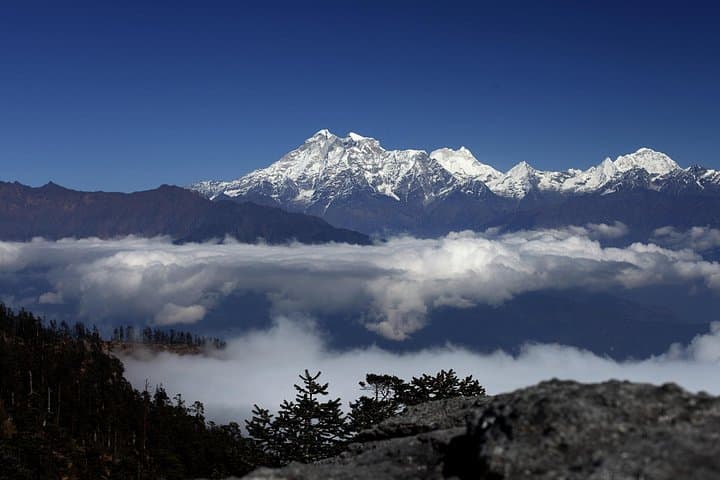
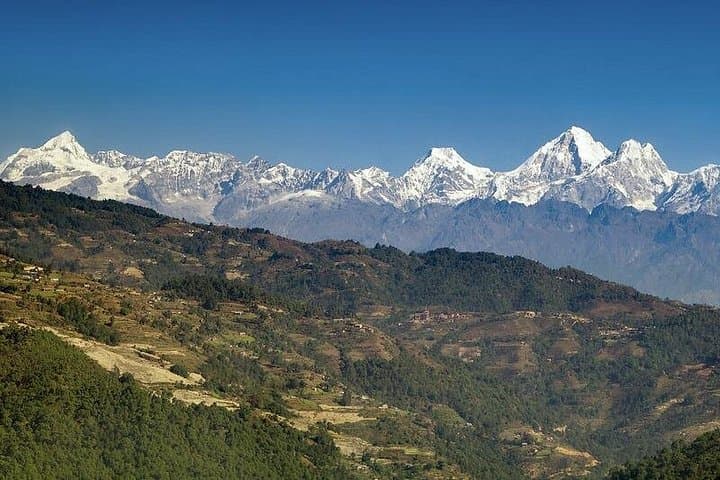
A low sun cuts the ridge above Nagarkot and the Himalayan skyline ignites—sharp peaks outlined against a cobalt sky while the valley below still sleeps. On an Everest view tour the world’s highest summits feel close enough to point at, whether viewed from a hillside hotel terrace, a short mountain flight, or the lookout above Kathmandu.
Verified experiences and guided adventures in the surrounding area.
Operated by Above the Himalaya Trekking · Nagarkot, Bagmati Province
A low sun cuts the ridge above Nagarkot and the Himalayan skyline ignites—sharp peaks outlined against a cobalt sky while the valley below still sleeps. On an Everest view tour the world’s highest summits feel close enough to point at, whether viewed from a hillside hotel terrace, a short mountain flight, or the lookout above Kathmandu.
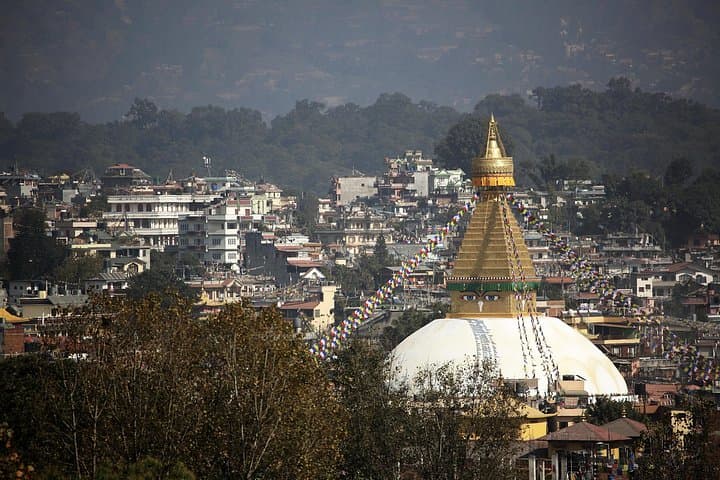
The Kathmandu Valley is an ancient cultural basin shaped by tectonic collision: the rising Himalaya to the north, terraced hills to the south, and cities built by the Newar people over a thousand years. Visits usually include Pashupatinath and Boudhanath—both UNESCO sites—plus Bhaktapur and Patan, where carved wood, pagoda roofs, and stone squares record centuries of artisan craft and trade with Tibet.
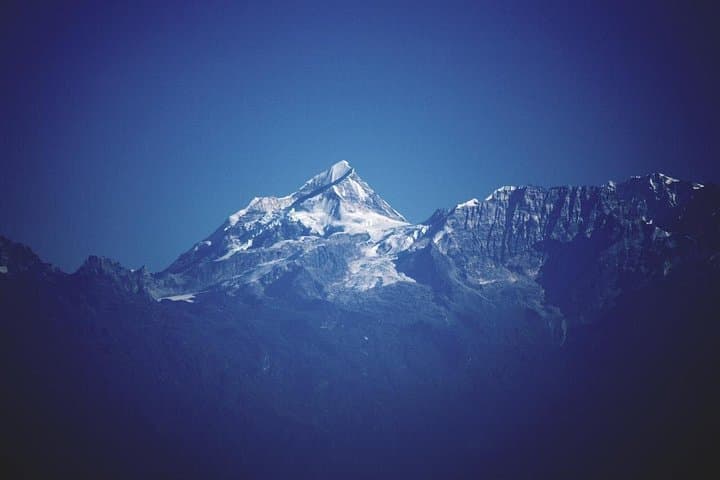
Geology is visible in the skyline: granite and metamorphic ridgelines thrusting skyward from the plains, snowfields that change color with the light. Local culture is immediate—prayer flags, incense, and morning butter tea—and guides explain the religious customs and permit paperwork that make travel smooth.
Practical guidance: plan early starts for sunrise and mountain flights; visibility is weather-dependent and often best in late autumn and spring. Bring layered outerwear for pre-dawn cold, a camera with a tele lens, photocopies of passport and permits, and comprehensive travel insurance that covers evacuation. Expect short drives between Kathmandu, Nagarkot and heritage sites, light walking on paved and uneven surfaces, and polite bargaining in Thamel for crafts. The tour is accessible to most travelers but respect local customs, keep waste to a minimum, and book flights with flexible weather policies.
easy.
4 days.
Suitable for travelers in average fitness; walking is short but involves uneven pavements and stairs.
Nagarkot is around 2,175 m (7,136 ft); most visitors do not experience severe altitude sickness, but hydrate, avoid heavy exertion on arrival, and inform guides of any symptoms.
No—flights depend on clear weather and visibility; operators may cancel or reroute in poor conditions and refunds or rebookings vary by company policy.
Most nationalities can obtain a tourist visa on arrival to Nepal; trekking permits are not required for this tour but some documentation and passport details are needed for domestic transfers.
Yes—the itinerary involves easy walks and short drives, but early wake-ups and altitude at Nagarkot may be challenging for very young children.
Kathmandu Valley has been a crossroads of Himalayan trade and Newar culture for centuries; many temples and squares reflect medieval artisan guilds and Buddhist-Hindu syncretism.
Visibility of peaks is affected by seasonal haze and pollution—support local guides, avoid single-use plastics, and stick to established paths to reduce erosion.
Above the Himalaya Trekking operates guided outdoor trips and adventures with an emphasis on safety, stewardship, and memorable experiences.
A low sun cuts the ridge above Nagarkot and the Himalayan skyline ignites—sharp peaks outlined against a cobalt sky while the valley below still sleeps. On an Everest view tour the world’s highest summits feel close enough to point at, whether viewed from a hillside hotel terrace, a short mountain flight, or the lookout above Kathmandu.
A low sun cuts the ridge above Nagarkot and the Himalayan skyline ignites—sharp peaks outlined against a cobalt sky while the valley below still sleeps. On an Everest view tour the world’s highest summits feel close enough to point at, whether viewed from a hillside hotel terrace, a short mountain flight, or the lookout above Kathmandu.
The Kathmandu Valley is an ancient cultural basin shaped by tectonic collision: the rising Himalaya to the north, terraced hills to the south, and cities built by the Newar people over a thousand years. Visits usually include Pashupatinath and Boudhanath—both UNESCO sites—plus Bhaktapur and Patan, where carved wood, pagoda roofs, and stone squares record centuries of artisan craft and trade with Tibet.
Geology is visible in the skyline: granite and metamorphic ridgelines thrusting skyward from the plains, snowfields that change color with the light. Local culture is immediate—prayer flags, incense, and morning butter tea—and guides explain the religious customs and permit paperwork that make travel smooth.
Practical guidance: plan early starts for sunrise and mountain flights; visibility is weather-dependent and often best in late autumn and spring. Bring layered outerwear for pre-dawn cold, a camera with a tele lens, photocopies of passport and permits, and comprehensive travel insurance that covers evacuation. Expect short drives between Kathmandu, Nagarkot and heritage sites, light walking on paved and uneven surfaces, and polite bargaining in Thamel for crafts. The tour is accessible to most travelers but respect local customs, keep waste to a minimum, and book flights with flexible weather policies.