THE ADVENTURE COLLECTIVE® · Independent discovery and booking for outdoor travel

A classic high-altitude trek from Lukla to Everest Base Camp, this 13–14 day journey combines Sherpa culture, glaciated landscapes and panoramic summit views. Plan for rugged terrain, strong acclimatization needs, and spectacular mountain scenery.
A classic high-altitude trek from Lukla to Everest Base Camp, this 13–14 day journey combines Sherpa culture, glaciated landscapes and panoramic summit views. Plan for rugged terrain, strong acclimatization needs, and spectacular mountain scenery.
You step off a small, trembling Twin Otter and the air feels colder, thinner — highland breath that makes every view sharper. Lukla’s tiny runway is a jumble of backpacks and prayer flags; beyond it the trail dives into rhododendron forests and climbs through stone Sherpa settlements where yaks graze like weathered icons.
Verified experiences and guided adventures in the surrounding area.
Operated by Nepal Planet Treks and Expedition P. Ltd · Lukla, Bagmati Province
You step off a small, trembling Twin Otter and the air feels colder, thinner — highland breath that makes every view sharper. Lukla’s tiny runway is a jumble of backpacks and prayer flags; beyond it the trail dives into rhododendron forests and climbs through stone Sherpa settlements where yaks graze like weathered icons.
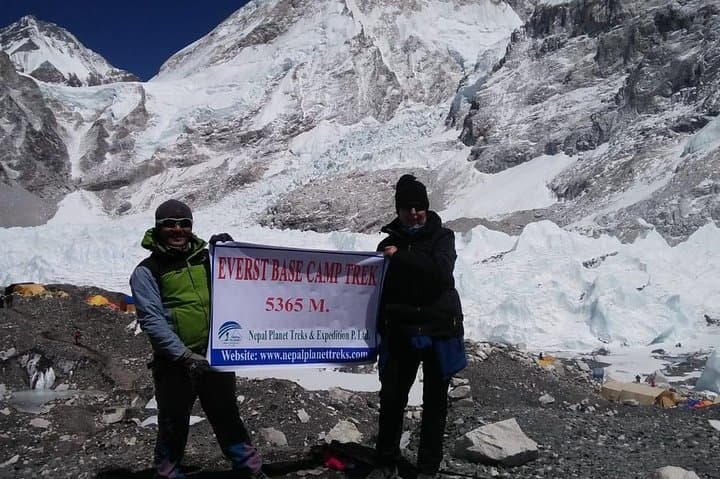
This 13–14 day itinerary threads classic Khumbu landmarks: Namche Bazaar’s bustling market, the Buddhist monasteries of Tengboche, the moraine-scarred approach to Gorak Shep, and the ragged blue of the Khumbu Icefall at Everest Base Camp. Geologically the route traverses young Himalayan uplift — jagged, glaciated peaks carved by relentless freeze-thaw and monsoon-fed streams. Culturally, the trail runs through Sagarmatha National Park, a UNESCO World Heritage site where Sherpa mountaineering history and high-altitude Buddhism intersect in prayer wheels and mani stones.
Expect cold mornings, high winds above 4,000 m, and thin-air hiking where acclimatization days are essential. Trails switch between packed dirt, stone stairways and moraine; elevation gain is gradual across the first week, then steepens to 5,300 m at Base Camp and 5,545 m on Kala Patthar if included. Guides and porters manage logistics; teahouses provide simple meals and shared warmth.
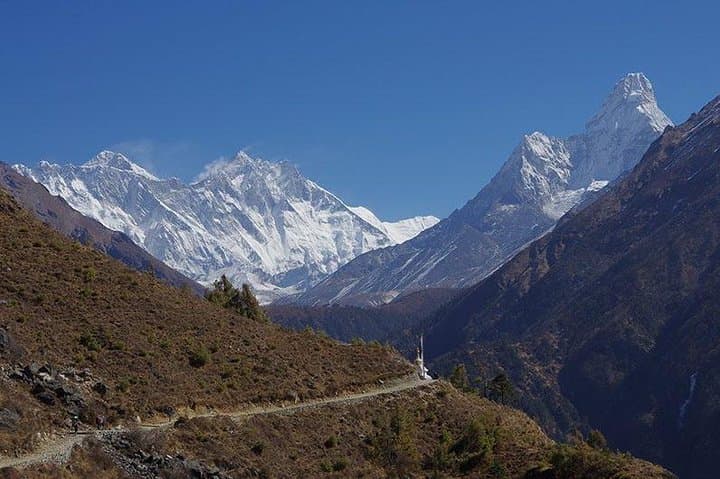
Practical guidance: build endurance with long day hikes and stair sessions before travel, pack layered insulation and a reliable sleeping bag rated to -10°C, plan for flight delays to/from Lukla, and prioritize hydration and slow ascent to reduce altitude sickness risk. The reward is uncompromising high-mountain panorama—Everest and its neighbors daring you to keep moving forward.
challenging.
13–14 days.
Good cardiovascular fitness and several months of endurance training are recommended; be prepared for long days and high-altitude strain.
Typical itineraries run 13–14 days with daily walks of 4–8 hours; altitude and terrain make some days harder despite modest distances.
Prior high-altitude trekking helps but isn’t mandatory; however strong fitness and careful acclimatization are essential.
Flights are scenic but frequently delayed or cancelled for weather; operators usually advise buffer days in Kathmandu.
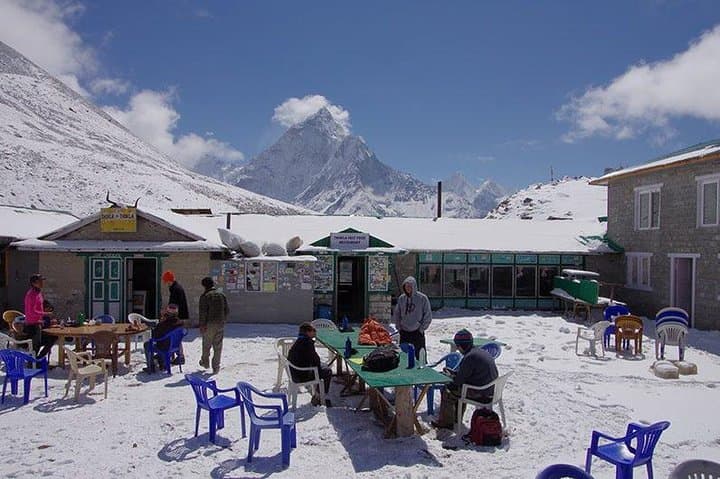
Basic teahouses offer twin rooms and simple Nepali meals (dal bhat, noodles); hot meals are available but limited at higher elevations.
The Khumbu trail is part of the route used by Sherpa traders and served as the staging ground for Sir Edmund Hillary and Tenzing Norgay’s 1953 Everest expedition.
Sagarmatha National Park regulates trekking permits and entrance fees; stick to marked trails, carry out waste, and use local teahouses to support community-based tourism.
Nepal Planet Treks and Expedition P. Ltd operates guided outdoor trips and adventures with an emphasis on safety, stewardship, and memorable experiences.
You step off a small, trembling Twin Otter and the air feels colder, thinner — highland breath that makes every view sharper. Lukla’s tiny runway is a jumble of backpacks and prayer flags; beyond it the trail dives into rhododendron forests and climbs through stone Sherpa settlements where yaks graze like weathered icons.
You step off a small, trembling Twin Otter and the air feels colder, thinner — highland breath that makes every view sharper. Lukla’s tiny runway is a jumble of backpacks and prayer flags; beyond it the trail dives into rhododendron forests and climbs through stone Sherpa settlements where yaks graze like weathered icons.
This 13–14 day itinerary threads classic Khumbu landmarks: Namche Bazaar’s bustling market, the Buddhist monasteries of Tengboche, the moraine-scarred approach to Gorak Shep, and the ragged blue of the Khumbu Icefall at Everest Base Camp. Geologically the route traverses young Himalayan uplift — jagged, glaciated peaks carved by relentless freeze-thaw and monsoon-fed streams. Culturally, the trail runs through Sagarmatha National Park, a UNESCO World Heritage site where Sherpa mountaineering history and high-altitude Buddhism intersect in prayer wheels and mani stones.
Expect cold mornings, high winds above 4,000 m, and thin-air hiking where acclimatization days are essential. Trails switch between packed dirt, stone stairways and moraine; elevation gain is gradual across the first week, then steepens to 5,300 m at Base Camp and 5,545 m on Kala Patthar if included. Guides and porters manage logistics; teahouses provide simple meals and shared warmth.
Practical guidance: build endurance with long day hikes and stair sessions before travel, pack layered insulation and a reliable sleeping bag rated to -10°C, plan for flight delays to/from Lukla, and prioritize hydration and slow ascent to reduce altitude sickness risk. The reward is uncompromising high-mountain panorama—Everest and its neighbors daring you to keep moving forward.