THE ADVENTURE COLLECTIVE® · Independent discovery and booking for outdoor travel

A demanding 16-day circuit through the Khumbu that crosses Renjo La, Cho La and Kongma La, the Everest Three Passes Trek combines high alpine passes, glacial lakes and authentic Sherpa villages. Prepare for long days, high elevations and weather-dependent flights to Lukla.
A demanding 16-day circuit through the Khumbu that crosses Renjo La, Cho La and Kongma La, the Everest Three Passes Trek combines high alpine passes, glacial lakes and authentic Sherpa villages. Prepare for long days, high elevations and weather-dependent flights to Lukla.
You step out of the Lukla plane into thin air and a sky so close it feels tangible — ridgelines cut a clean line against a high blue that seems to push the world upward. The route threads mountain villages, glacial moraines and alpine lakes, climbing through Namche’s bustling terraces before the thin, sharp crossing of Renjo La, Cho La and Kongma La.
Verified experiences and guided adventures in the surrounding area.
Operated by Alpine Luxury Treks Pvt Ltd · Lukla, Province No. 1
You step out of the Lukla plane into thin air and a sky so close it feels tangible — ridgelines cut a clean line against a high blue that seems to push the world upward. The route threads mountain villages, glacial moraines and alpine lakes, climbing through Namche’s bustling terraces before the thin, sharp crossing of Renjo La, Cho La and Kongma La.
Geology here is dramatic and recent: the Himalaya are an active collision zone where the Indian plate still shoves against Eurasia, lifting peaks and grinding glaciers like the Ngozumpa, which scours rock and feeds the Gokyo lakes. Sherpa culture is woven into the trail — prayer flags, mani walls and stone gompas mark the way — and the region’s mountaineering history is visible in basecamp lore and the names of ridgelines that frame Everest.
Expect varied terrain: well-trodden stone staircases and village trails, steep moraine approaches, short snow or icy sections on high cols, and exposed ridge walking near passes. The trek covers roughly 10–15 km on many trekking days, climbs repeatedly from 2,600 m up to 5,535 m at Kongma La, and includes two planned acclimatization days (Namche, Gokyo).
Practical edge: acclimatization matters more than speed — follow the itinerary’s rest days, carry a sleeping bag rated for sub-zero temps, and pack layered insulation and sun protection. Flights to Lukla are weather-dependent; plan buffer days in Kathmandu. Permits (Sagarmatha National Park, TIMS) and local guide support are standard. Hydrate, monitor for acute mountain sickness, and keep daily mileage conservative: the reward is big — Everest and a string of high alpine lakes and passes that test fitness and reward with unmatched Himalayan perspective.
difficult.
16 days (approx.).
Requires very good aerobic fitness and experience hiking 6–8 hours on consecutive days at altitude; previous high-altitude trekking strongly recommended.
While no technical climbing is required, prior multi-day trekking experience and previous high-altitude exposure improve safety and comfort on 5,000+m passes.
You’ll need Sagarmatha National Park permit and a TIMS card; guides or agencies usually handle procurement but keep physical copies while trekking.
Lukla flights are scenic but weather-dependent; they are often delayed or cancelled for visibility and wind — plan flexibility in Kathmandu.
Acute mountain sickness is the primary concern; follow a conservative ascent profile, hydrate, avoid alcohol, and descend if symptoms worsen.
The Khumbu has long been home to Sherpa communities whose trade and pilgrimage routes predate modern trekking; the area later became central to Himalayan mountaineering after the 1953 Everest ascent.
Sagarmatha National Park regulates access to protect fragile alpine ecosystems; trekkers should pack out waste, use designated toilets where available, and support community-run lodges to reduce impact.
Alpine Luxury Treks Pvt Ltd operates guided outdoor trips and adventures with an emphasis on safety, stewardship, and memorable experiences.
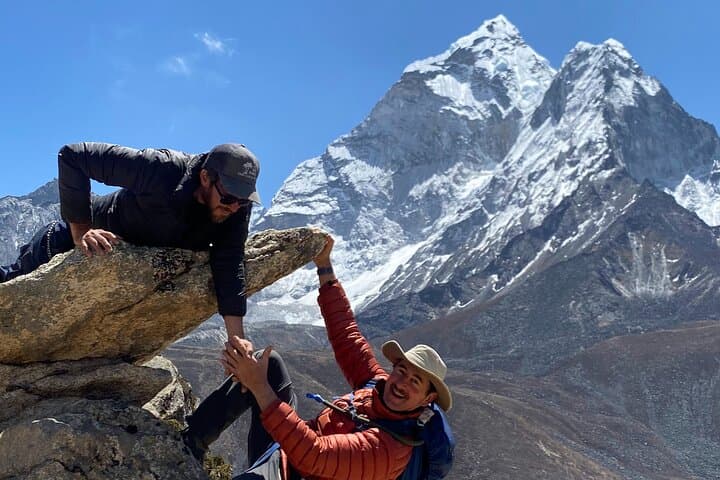
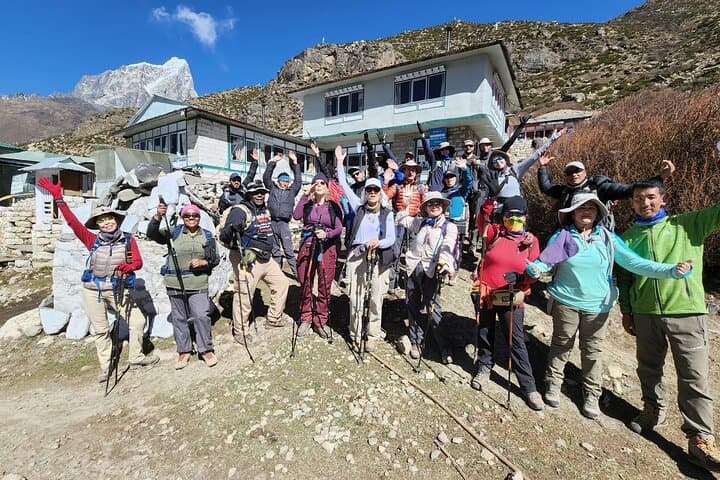
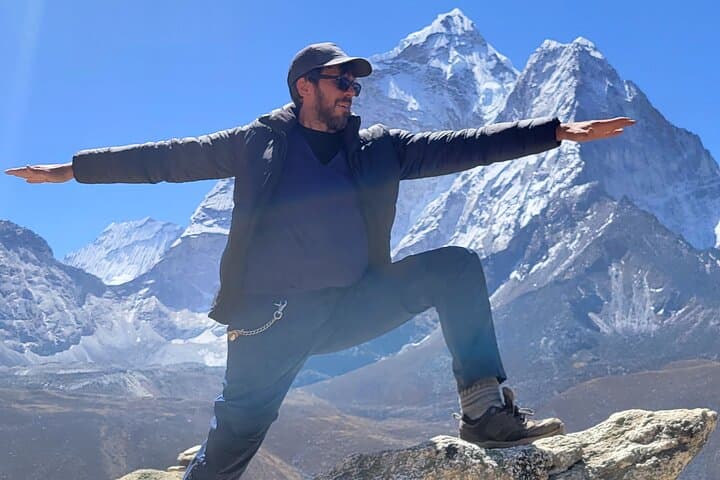
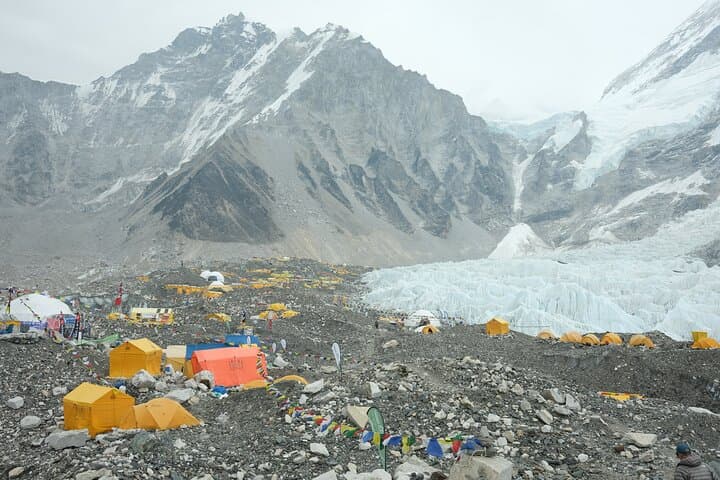
You step out of the Lukla plane into thin air and a sky so close it feels tangible — ridgelines cut a clean line against a high blue that seems to push the world upward. The route threads mountain villages, glacial moraines and alpine lakes, climbing through Namche’s bustling terraces before the thin, sharp crossing of Renjo La, Cho La and Kongma La.
You step out of the Lukla plane into thin air and a sky so close it feels tangible — ridgelines cut a clean line against a high blue that seems to push the world upward. The route threads mountain villages, glacial moraines and alpine lakes, climbing through Namche’s bustling terraces before the thin, sharp crossing of Renjo La, Cho La and Kongma La.
Geology here is dramatic and recent: the Himalaya are an active collision zone where the Indian plate still shoves against Eurasia, lifting peaks and grinding glaciers like the Ngozumpa, which scours rock and feeds the Gokyo lakes. Sherpa culture is woven into the trail — prayer flags, mani walls and stone gompas mark the way — and the region’s mountaineering history is visible in basecamp lore and the names of ridgelines that frame Everest.
Expect varied terrain: well-trodden stone staircases and village trails, steep moraine approaches, short snow or icy sections on high cols, and exposed ridge walking near passes. The trek covers roughly 10–15 km on many trekking days, climbs repeatedly from 2,600 m up to 5,535 m at Kongma La, and includes two planned acclimatization days (Namche, Gokyo).
Practical edge: acclimatization matters more than speed — follow the itinerary’s rest days, carry a sleeping bag rated for sub-zero temps, and pack layered insulation and sun protection. Flights to Lukla are weather-dependent; plan buffer days in Kathmandu. Permits (Sagarmatha National Park, TIMS) and local guide support are standard. Hydrate, monitor for acute mountain sickness, and keep daily mileage conservative: the reward is big — Everest and a string of high alpine lakes and passes that test fitness and reward with unmatched Himalayan perspective.