THE ADVENTURE COLLECTIVE® · Independent discovery and booking for outdoor travel

This 14–15 day guided trek threads three high passes in the Everest region — Kongma La, Cho La and Renjo La — linking classic highlights like Everest Base Camp and the Gokyo Lakes. Expect long alpine days, icy cols, and deep Sherpa cultural encounters.
This 14–15 day guided trek threads three high passes in the Everest region — Kongma La, Cho La and Renjo La — linking classic highlights like Everest Base Camp and the Gokyo Lakes. Expect long alpine days, icy cols, and deep Sherpa cultural encounters.
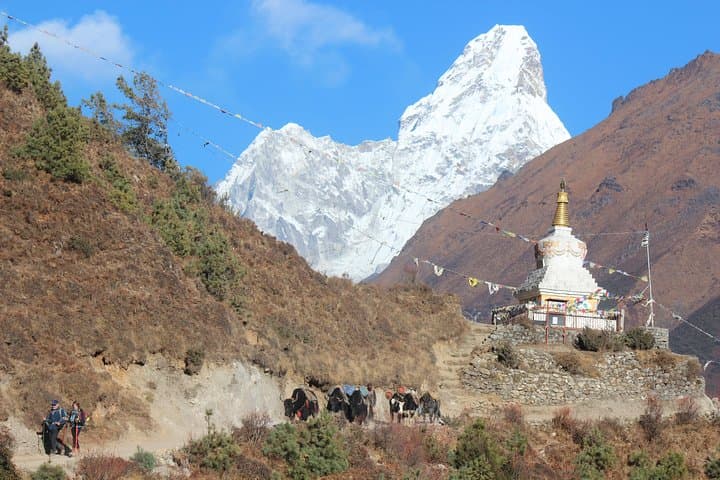
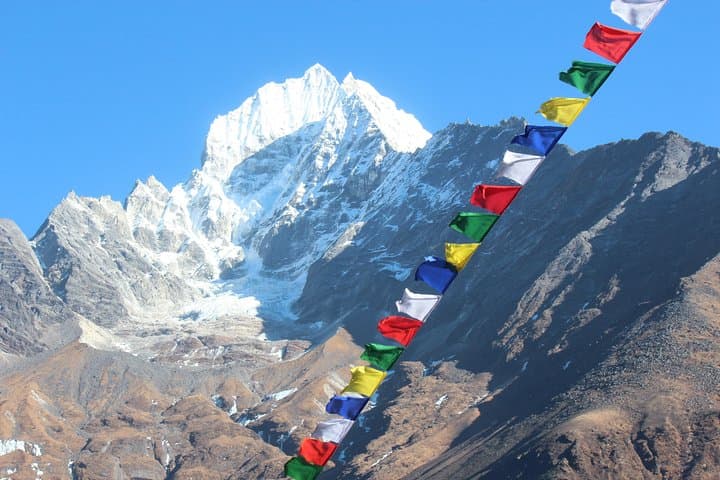
A thin breath of morning wind pushes prayer flags at Namche Bazaar as you tighten your pack and watch the first sun strike Everest’s north face.
Verified experiences and guided adventures in the surrounding area.
Operated by Base Camp Adventure Pvt. Ltd. · Namche Bazaar, Koshi Province
A thin breath of morning wind pushes prayer flags at Namche Bazaar as you tighten your pack and watch the first sun strike Everest’s north face.
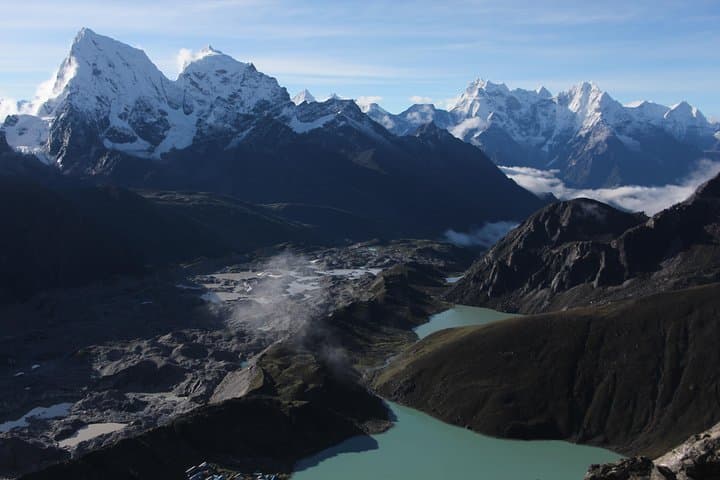
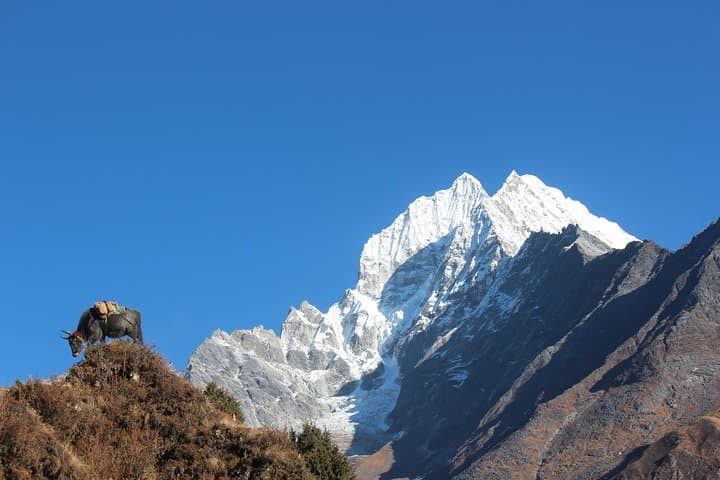
Over the next two weeks the trail alternates between village streets, moraine fields and high snowy cols — Kongma La (5,535m), Cho La (5,420m) and Renjo La (5,360m). Geologically you move from river-cut valleys along the Dudh Koshi to the exposed ice and talus of the Ngozumpa Glacier; tectonic uplift and persistent glaciation carve the ragged skyline you follow.
The region is Sherpa country: Mani walls, gompas and stone-built villages reflect centuries of Tibetan-influenced culture and mountaineering history. Tengboche Monastery and the market at Namche are good stops to learn local life and logistics.
Practically, expect long days (up to 7–8 hours) on uneven, often icy ground, with altitude as the primary objective hazard. Guides and porters handle logistics; permits and Lukla flights are typically included. Best windows for weather and visibility are spring and fall; monsoon brings low visibility and slippery approaches, winter brings extreme cold and hard ice.
Train your legs and your lungs before you go: progressive long days on packed trails, consistent aerobic work, and a few long back-to-back hikes will pay off. Bring crampons, an insulated down layer and a tested sleeping bag — and build acclimatization days into your plan. Respect the mountain’s pace: slow, steady, and attentive to how your body responds to elevation.
difficult.
14–15 days.
Strong aerobic fitness, leg endurance, and prior multi-day trekking experience recommended; ability to carry a 10–15 kg daypack.
Yes—licensed English-speaking guides, TIMS and Sagarmatha National Park permits are normally included; domestic Lukla flights are typically listed in inclusions as well.
Kongma La, Cho La and Renjo La are high, exposed and can be icy—expect steep ascents/descents where crampons or microspikes are useful; guides manage route choice and safety.
Acute mountain sickness is a real risk—gradual ascent, rest/acclimatization days, hydration and immediate descent for symptoms are essential; medication like acetazolamide can be discussed with a physician.
Teahouses offer basic twin rooms, shared bathrooms and hot meals; amenities decline with altitude—expect simpler facilities above 4,500m.
The Khumbu region has been the cultural and logistical hub for Himalayan climbing since the mid-20th century; Sherpa communities and Tengboche Monastery are central to local identity.
The trek runs through Sagarmatha National Park, a protected area—travelers should follow leave-no-trace practices and rely on local waste-management rules to minimize impact.
Base Camp Adventure Pvt. Ltd. operates guided outdoor trips and adventures with an emphasis on safety, stewardship, and memorable experiences.
A thin breath of morning wind pushes prayer flags at Namche Bazaar as you tighten your pack and watch the first sun strike Everest’s north face.
A thin breath of morning wind pushes prayer flags at Namche Bazaar as you tighten your pack and watch the first sun strike Everest’s north face.
Over the next two weeks the trail alternates between village streets, moraine fields and high snowy cols — Kongma La (5,535m), Cho La (5,420m) and Renjo La (5,360m). Geologically you move from river-cut valleys along the Dudh Koshi to the exposed ice and talus of the Ngozumpa Glacier; tectonic uplift and persistent glaciation carve the ragged skyline you follow.
The region is Sherpa country: Mani walls, gompas and stone-built villages reflect centuries of Tibetan-influenced culture and mountaineering history. Tengboche Monastery and the market at Namche are good stops to learn local life and logistics.
Practically, expect long days (up to 7–8 hours) on uneven, often icy ground, with altitude as the primary objective hazard. Guides and porters handle logistics; permits and Lukla flights are typically included. Best windows for weather and visibility are spring and fall; monsoon brings low visibility and slippery approaches, winter brings extreme cold and hard ice.
Train your legs and your lungs before you go: progressive long days on packed trails, consistent aerobic work, and a few long back-to-back hikes will pay off. Bring crampons, an insulated down layer and a tested sleeping bag — and build acclimatization days into your plan. Respect the mountain’s pace: slow, steady, and attentive to how your body responds to elevation.