THE ADVENTURE COLLECTIVE® · Independent discovery and booking for outdoor travel

A demanding high-altitude circuit that links Everest Base Camp, the Gokyo Lakes and three 5,000+m passes. Expect remote Sherpa villages, glacier views and sustained altitude—plan extra acclimatization and sturdy gear.
A demanding high-altitude circuit that links Everest Base Camp, the Gokyo Lakes and three 5,000+m passes. Expect remote Sherpa villages, glacier views and sustained altitude—plan extra acclimatization and sturdy gear.
The trail takes you above the timberline where thin air sharpens every breath and the horizon is a jagged row of white peaks. You begin in Kathmandu’s bustle, then climb into carved stone villages, tea-house steps and the blue-glass stillness of Gokyo’s lakes. Each pass—Renjo La (5,340m), Cho La (5,420m) and Kongma La (5,535m)—opens like a gate to a new vantage, revealing Everest, Lhotse and the Ngozumpa Glacier pushing slowly down-valley.
Verified experiences and guided adventures in the surrounding area.
Operated by Nepal Nomad Trekking · Kathmandu, Bagmati Province
The trail takes you above the timberline where thin air sharpens every breath and the horizon is a jagged row of white peaks. You begin in Kathmandu’s bustle, then climb into carved stone villages, tea-house steps and the blue-glass stillness of Gokyo’s lakes. Each pass—Renjo La (5,340m), Cho La (5,420m) and Kongma La (5,535m)—opens like a gate to a new vantage, revealing Everest, Lhotse and the Ngozumpa Glacier pushing slowly down-valley.
Geology here is raw: uplifted metamorphic rocks and moraine fields formed by the region’s long glacial history. Sherpa culture anchors the route—monasteries in Thame and Tengboche, mani walls and prayer flags marking centuries of Himalayan pilgrimage. Villages such as Marulung and Chukhung still practice trans-Himalayan trade traditions and yak pastoralism.
Expect steep ascents on scree and icy sections on the high passes; several days of acclimatization are standard. The trek crosses teahouse networks with basic lodgings, though services thin above 4,000 m. Permits (Sagarmatha National Park, TIMS) and a Lukla flight are typical logistical items; weather windows in pre- and post-monsoon give the best visibility.
Practical edge: train long uphill hikes with a loaded pack, use trekking poles for balance on scree, and plan extra acclimatization days—altitude is the primary hazard. Bring layered insulation for sub-zero nights, and carry a water-treatment option; high-altitude dehydration is stealthy. With proper preparation, the Three High Passes is a demanding but accessible alpine circuit that rewards effort with some of the clearest, closest views of the world’s highest summits.
difficult.
20–24 days.
Requires very good aerobic fitness, experience with multi-day backpacking and sustained uphill hiking at altitude
Late spring (April–May) and autumn (late Sept–Nov) offer the best weather and visibility; monsoon season brings heavy snow and cloud, while winter is very cold and more technical.
Trekkers need a Sagarmatha National Park permit and a TIMS card; your operator usually handles these or provides guidance for obtaining them in Kathmandu.
Passes are steep with loose scree and occasional snow fields—physical difficulty is high but technical climbing is minimal in standard seasons; snow/ice travel skills may be needed after storms.
Not recommended for true beginners—prior multi-day high-altitude trekking experience and staged acclimatization are important for safety and enjoyment.
The trail runs through Sherpa homelands long connected to Tibetan trade routes; monasteries here have been cultural hubs for centuries.
High visitor numbers strain local water and waste systems—use refill stations, pack out trash where required, and follow local waste-disposal practices.
Nepal Nomad Trekking operates guided outdoor trips and adventures with an emphasis on safety, stewardship, and memorable experiences.
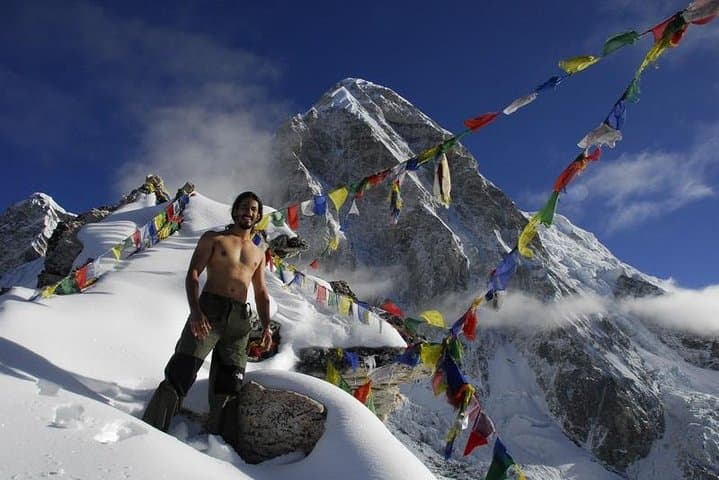
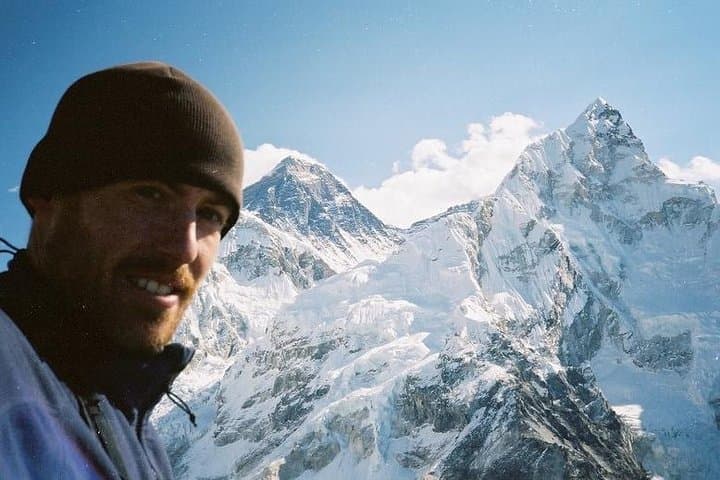
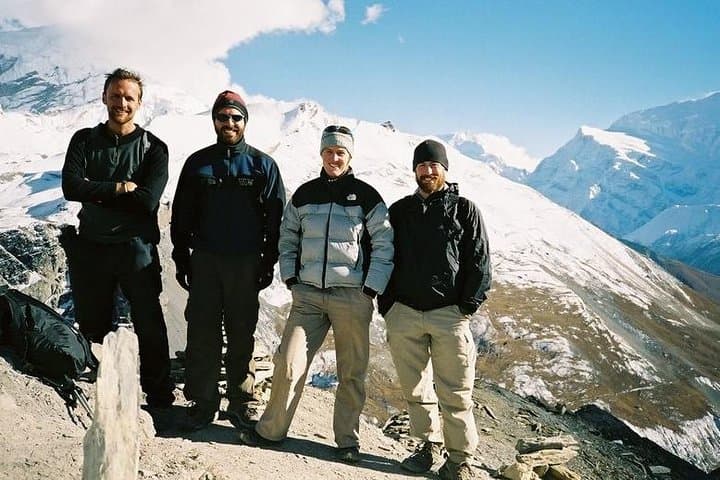
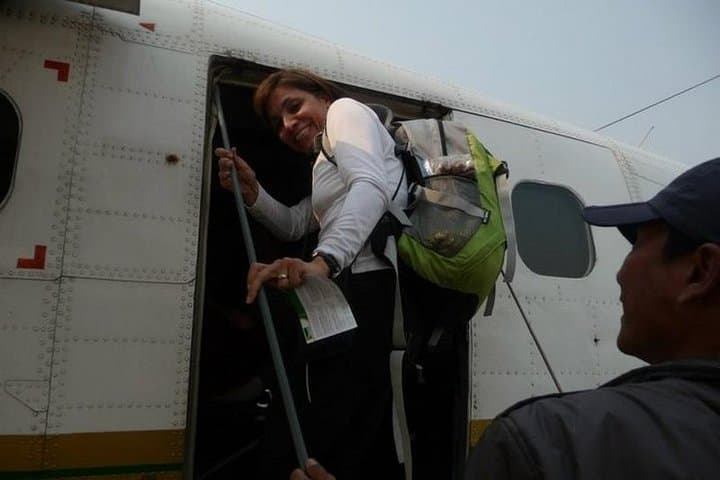
The trail takes you above the timberline where thin air sharpens every breath and the horizon is a jagged row of white peaks. You begin in Kathmandu’s bustle, then climb into carved stone villages, tea-house steps and the blue-glass stillness of Gokyo’s lakes. Each pass—Renjo La (5,340m), Cho La (5,420m) and Kongma La (5,535m)—opens like a gate to a new vantage, revealing Everest, Lhotse and the Ngozumpa Glacier pushing slowly down-valley.
The trail takes you above the timberline where thin air sharpens every breath and the horizon is a jagged row of white peaks. You begin in Kathmandu’s bustle, then climb into carved stone villages, tea-house steps and the blue-glass stillness of Gokyo’s lakes. Each pass—Renjo La (5,340m), Cho La (5,420m) and Kongma La (5,535m)—opens like a gate to a new vantage, revealing Everest, Lhotse and the Ngozumpa Glacier pushing slowly down-valley.
Geology here is raw: uplifted metamorphic rocks and moraine fields formed by the region’s long glacial history. Sherpa culture anchors the route—monasteries in Thame and Tengboche, mani walls and prayer flags marking centuries of Himalayan pilgrimage. Villages such as Marulung and Chukhung still practice trans-Himalayan trade traditions and yak pastoralism.
Expect steep ascents on scree and icy sections on the high passes; several days of acclimatization are standard. The trek crosses teahouse networks with basic lodgings, though services thin above 4,000 m. Permits (Sagarmatha National Park, TIMS) and a Lukla flight are typical logistical items; weather windows in pre- and post-monsoon give the best visibility.
Practical edge: train long uphill hikes with a loaded pack, use trekking poles for balance on scree, and plan extra acclimatization days—altitude is the primary hazard. Bring layered insulation for sub-zero nights, and carry a water-treatment option; high-altitude dehydration is stealthy. With proper preparation, the Three High Passes is a demanding but accessible alpine circuit that rewards effort with some of the clearest, closest views of the world’s highest summits.