THE ADVENTURE COLLECTIVE® · Independent discovery and booking for outdoor travel

A demanding multi-day route in the Everest region linking Kongma La, Cho La and Renjo La. This teahouse trek combines high passes, glacial terrain and Sherpa cultural highlights—best for fit, altitude-aware hikers.
A demanding multi-day route in the Everest region linking Kongma La, Cho La and Renjo La. This teahouse trek combines high passes, glacial terrain and Sherpa cultural highlights—best for fit, altitude-aware hikers.
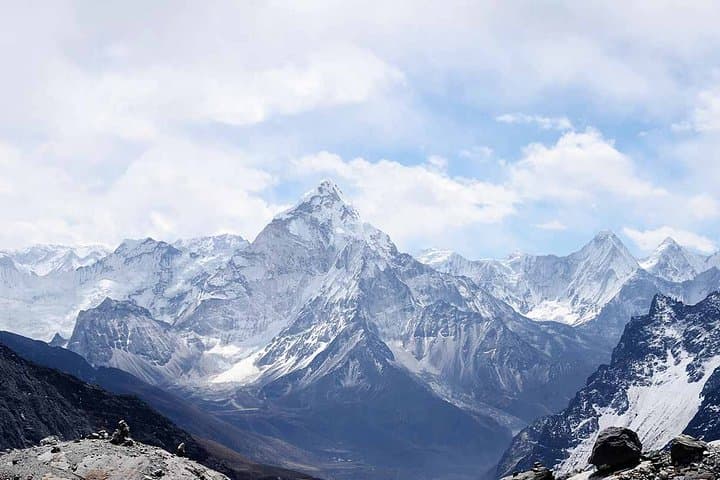
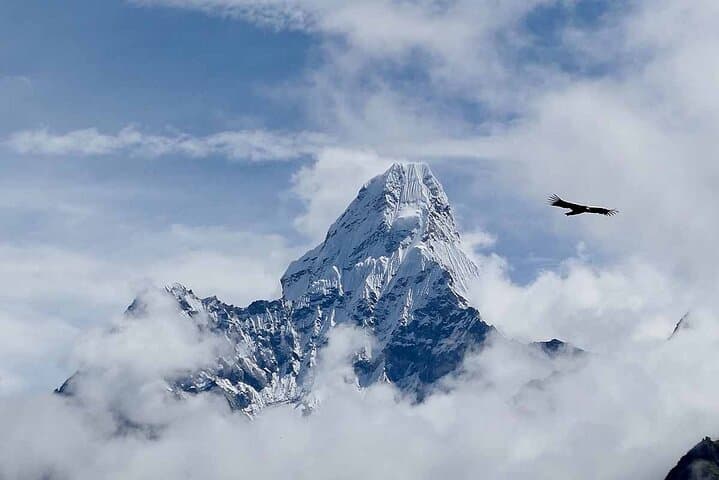
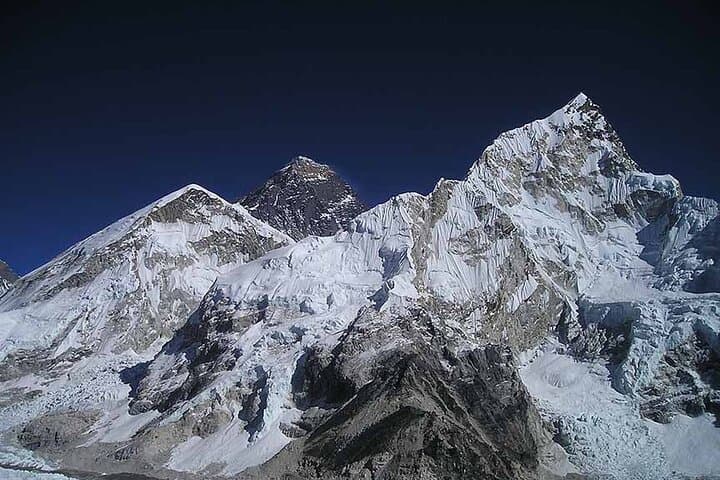
The trail opens with a thin ribbon of dust and prayer flags as the plane drops you into Lukla and the Himalaya pulls the sky down around you. Cold wind dares you forward; moraine and glacier challenge your footing. Over the next two to three weeks you move between villages, monasteries and passes—Kongma La (5,535 m), Cho La (5,368 m) and Renjo La (5,360 m)—each a sharp counterpoint to the next valley.
Verified experiences and guided adventures in the surrounding area.
Operated by Travel Max Guide · Lukla, Solukhumbu
The trail opens with a thin ribbon of dust and prayer flags as the plane drops you into Lukla and the Himalaya pulls the sky down around you. Cold wind dares you forward; moraine and glacier challenge your footing. Over the next two to three weeks you move between villages, monasteries and passes—Kongma La (5,535 m), Cho La (5,368 m) and Renjo La (5,360 m)—each a sharp counterpoint to the next valley.
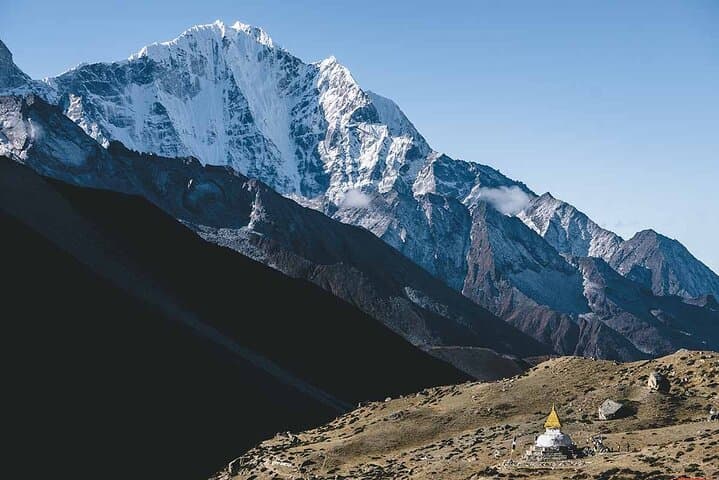
This route threads Sagarmatha National Park, a UNESCO-protected landscape formed by uplifted metamorphic rock and ancient glacial carving; the Khumbu Glacier leaves behind hummocked moraines and glacial lakes such as the Gokyo basin. Sherpa culture is present at every bend: mani walls, gompas like Tengboche, and cairns that mark spiritual and practical waypoints developed over generations of trade, pilgrimage and mountaineering support.
Expect sustained altitude exposure, steep ascents on rock and scree, short glacier crossings and daily walking times between four and eight hours. Acclimatization days in Namche, Dingboche and Gokyo are built into the itinerary for a reason—gain is deliberate and recovery essential. Logistics are straightforward but non-negotiable: Lukla flights, TIMS card and Sagarmatha Park permit, teahouse lodging, and a guide. Hydrate, move steadily, layer for sudden wind and sun, and respect the fragile alpine environment by packing out waste and minimizing single-use plastics. For strong hikers who accept long days and thin air, the Three High Pass Trek delivers raw Himalayan geometry, glacier-blue lakes and panoramic summits that reward persistence.
difficult.
18–20 days.
High aerobic fitness and previous multi-day trekking experience recommended; able to hike 4–8 hours daily with sustained ascent at altitude.
Yes—both the TIMS card and Sagarmatha National Park permit are required; your operator typically arranges them.
They are non-technical for experienced trekkers but can require crampons on icy sections; guides manage route choices.
Teahouse/lodge accommodation with communal dining rooms; facilities are basic and hot water may be limited at higher altitude.
Pre-monsoon (spring) and post-monsoon (autumn) offer the most stable weather and clear mountain views.
The Khumbu has long been a corridor for Sherpa traders and pilgrims; modern mountaineering established bases here in the mid-20th century as Everest expeditions grew.
Sagarmatha National Park regulates permits and access—minimize waste, use established trails and pack out non-biodegradable items to protect fragile alpine ecosystems.
Travel Max Guide operates guided outdoor trips and adventures with an emphasis on safety, stewardship, and memorable experiences.
The trail opens with a thin ribbon of dust and prayer flags as the plane drops you into Lukla and the Himalaya pulls the sky down around you. Cold wind dares you forward; moraine and glacier challenge your footing. Over the next two to three weeks you move between villages, monasteries and passes—Kongma La (5,535 m), Cho La (5,368 m) and Renjo La (5,360 m)—each a sharp counterpoint to the next valley.
The trail opens with a thin ribbon of dust and prayer flags as the plane drops you into Lukla and the Himalaya pulls the sky down around you. Cold wind dares you forward; moraine and glacier challenge your footing. Over the next two to three weeks you move between villages, monasteries and passes—Kongma La (5,535 m), Cho La (5,368 m) and Renjo La (5,360 m)—each a sharp counterpoint to the next valley.
This route threads Sagarmatha National Park, a UNESCO-protected landscape formed by uplifted metamorphic rock and ancient glacial carving; the Khumbu Glacier leaves behind hummocked moraines and glacial lakes such as the Gokyo basin. Sherpa culture is present at every bend: mani walls, gompas like Tengboche, and cairns that mark spiritual and practical waypoints developed over generations of trade, pilgrimage and mountaineering support.
Expect sustained altitude exposure, steep ascents on rock and scree, short glacier crossings and daily walking times between four and eight hours. Acclimatization days in Namche, Dingboche and Gokyo are built into the itinerary for a reason—gain is deliberate and recovery essential. Logistics are straightforward but non-negotiable: Lukla flights, TIMS card and Sagarmatha Park permit, teahouse lodging, and a guide. Hydrate, move steadily, layer for sudden wind and sun, and respect the fragile alpine environment by packing out waste and minimizing single-use plastics. For strong hikers who accept long days and thin air, the Three High Pass Trek delivers raw Himalayan geometry, glacier-blue lakes and panoramic summits that reward persistence.