THE ADVENTURE COLLECTIVE® · Independent discovery and booking for outdoor travel

Fly from Kathmandu into the heart of the Everest region on a four-hour helicopter route with multiple landings at Lukla, Pheriche, Kala Patthar and Everest View Hotel. Ideal for travelers who want high-mountain views without a multi-day trek, the tour is weather dependent and best booked for clear spring or fall mornings.
Fly from Kathmandu into the heart of the Everest region on a four-hour helicopter route with multiple landings at Lukla, Pheriche, Kala Patthar and Everest View Hotel. Ideal for travelers who want high-mountain views without a multi-day trek, the tour is weather dependent and best booked for clear spring or fall mornings.
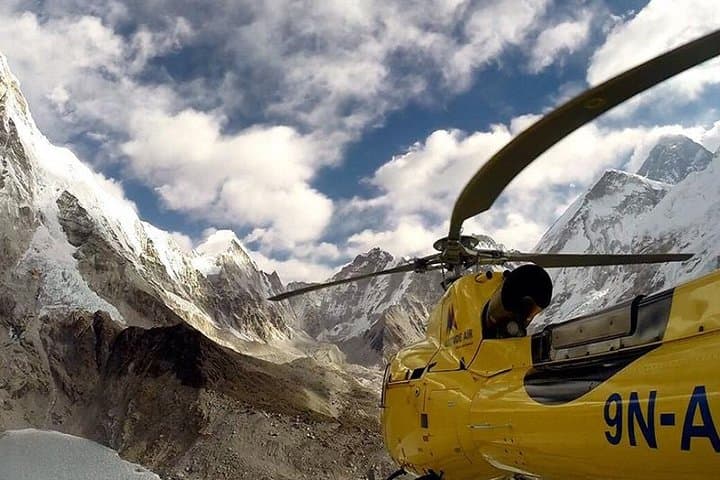
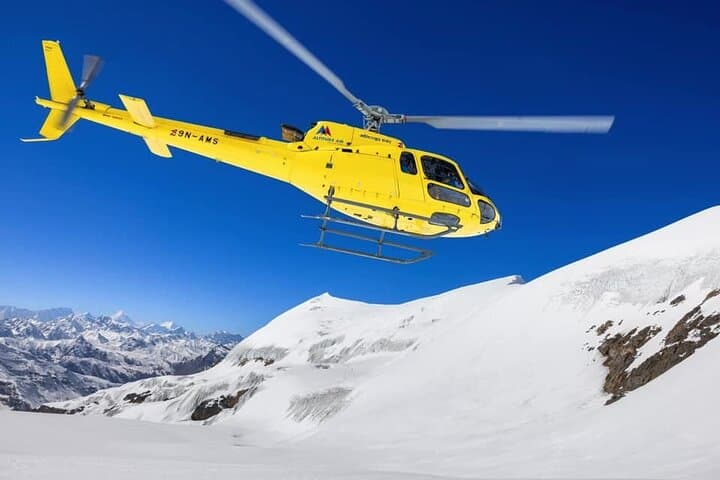
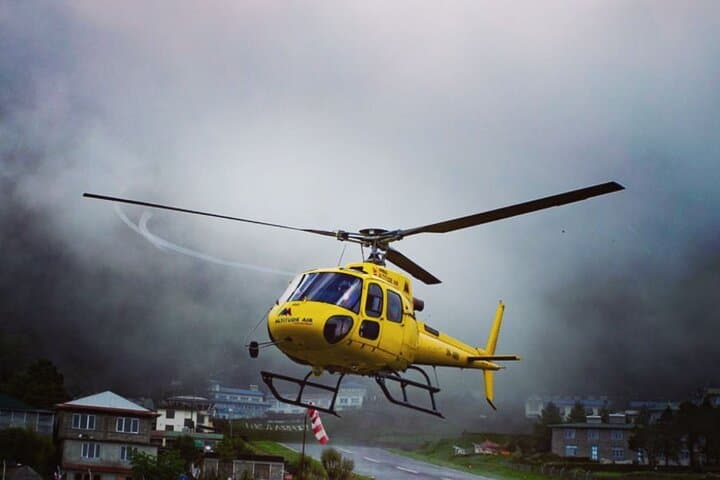
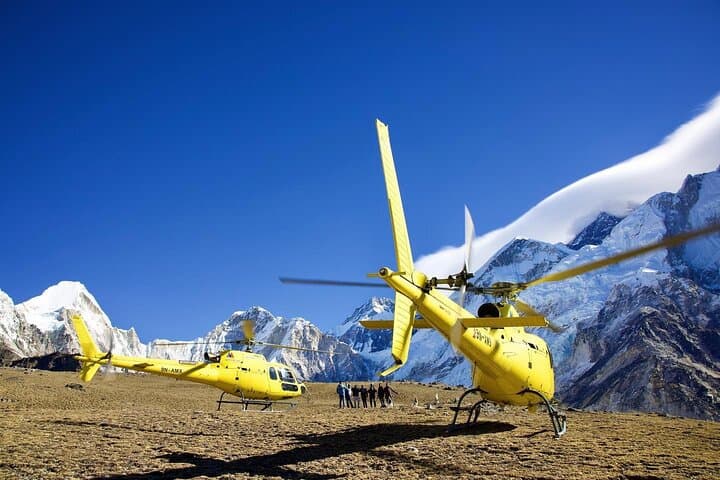
A helicopter lifts off from Kathmandu and the valley unspools beneath you—rice terraces, new highways, then the Himalaya emerging like a wall of light and shadow. In roughly four hours the flight traces a high-contrast route: a 50-minute hop to Lukla, a short landing; a 25-minute leg to Pheriche with time to step out and feel thin air; a hover and double land near Kalapatthar and the Everest View Hotel before returning to Kathmandu.
Verified experiences and guided adventures in the surrounding area.
Operated by Himalayan Social Journey · Kathmandu, Bagmati Province
A helicopter lifts off from Kathmandu and the valley unspools beneath you—rice terraces, new highways, then the Himalaya emerging like a wall of light and shadow. In roughly four hours the flight traces a high-contrast route: a 50-minute hop to Lukla, a short landing; a 25-minute leg to Pheriche with time to step out and feel thin air; a hover and double land near Kalapatthar and the Everest View Hotel before returning to Kathmandu.
The route threads modern Nepalese air routes over terrain carved by glaciers and uplifted by the collision of India and Eurasia. Lukla’s tiny airstrip is a modern gateway to centuries of Sherpa trade and Tibetan-influenced culture; Pheriche sits in the high Khumbu valley where yak caravans still move slowly along trails. Geology here is raw—grey gneiss and moraine fields punctuated by ice—and the peaks demand respect rather than romance.
Practicalities matter: flights are weather-dependent, scheduled early for stable conditions, and typically allow 20–60 minute landings for photos and short walks. Passengers should carry passports, warm layers, sunscreen, and sunglasses; those with cardiovascular issues should consult a doctor because altitude is abrupt. Expect clear views on spring and fall mornings, and possible clouds or cancellations during monsoon months.
For travelers who cannot trek for days, this flight compresses the high-mountain experience into a single, accessible outing. Plan for early pickup, keep luggage minimal, and bring a camera with extra battery—thin air drains batteries fast, but the light at 5,000 meters is unforgettable.
easy.
4 hours.
Suitable for most fitness levels; be comfortable sitting for up to four hours and able to step out briefly at high altitude
Helicopter tours typically land near viewpoints such as Kala Patthar or the Everest View Hotel and at villages like Lukla and Pheriche; landing at Base Camp itself is uncommon and depends on conditions and operator permissions.
Acute altitude exposure can still affect some travelers during brief high-altitude stops; if you have prior altitude sickness, consult a physician and inform the operator.
Operators usually cancel flights for unsafe weather and offer a full refund or reschedule; confirm the specific 24-hour cancellation window at booking.
Infants are often required to sit on laps; travelers with significant heart or cardiovascular issues are generally advised not to take the flight and should get medical clearance.
Lukla and the Khumbu valley have long been trade routes between Nepal and Tibet and became internationally known after the rise of mountaineering in the early 20th century.
High-traffic visits impact fragile alpine environments; pack out all waste, use refillable water containers, and follow operator guidelines to minimize disturbance.
Himalayan Social Journey operates guided outdoor trips and adventures with an emphasis on safety, stewardship, and memorable experiences.
A helicopter lifts off from Kathmandu and the valley unspools beneath you—rice terraces, new highways, then the Himalaya emerging like a wall of light and shadow. In roughly four hours the flight traces a high-contrast route: a 50-minute hop to Lukla, a short landing; a 25-minute leg to Pheriche with time to step out and feel thin air; a hover and double land near Kalapatthar and the Everest View Hotel before returning to Kathmandu.
A helicopter lifts off from Kathmandu and the valley unspools beneath you—rice terraces, new highways, then the Himalaya emerging like a wall of light and shadow. In roughly four hours the flight traces a high-contrast route: a 50-minute hop to Lukla, a short landing; a 25-minute leg to Pheriche with time to step out and feel thin air; a hover and double land near Kalapatthar and the Everest View Hotel before returning to Kathmandu.
The route threads modern Nepalese air routes over terrain carved by glaciers and uplifted by the collision of India and Eurasia. Lukla’s tiny airstrip is a modern gateway to centuries of Sherpa trade and Tibetan-influenced culture; Pheriche sits in the high Khumbu valley where yak caravans still move slowly along trails. Geology here is raw—grey gneiss and moraine fields punctuated by ice—and the peaks demand respect rather than romance.
Practicalities matter: flights are weather-dependent, scheduled early for stable conditions, and typically allow 20–60 minute landings for photos and short walks. Passengers should carry passports, warm layers, sunscreen, and sunglasses; those with cardiovascular issues should consult a doctor because altitude is abrupt. Expect clear views on spring and fall mornings, and possible clouds or cancellations during monsoon months.
For travelers who cannot trek for days, this flight compresses the high-mountain experience into a single, accessible outing. Plan for early pickup, keep luggage minimal, and bring a camera with extra battery—thin air drains batteries fast, but the light at 5,000 meters is unforgettable.