THE ADVENTURE COLLECTIVE® · Independent discovery and booking for outdoor travel

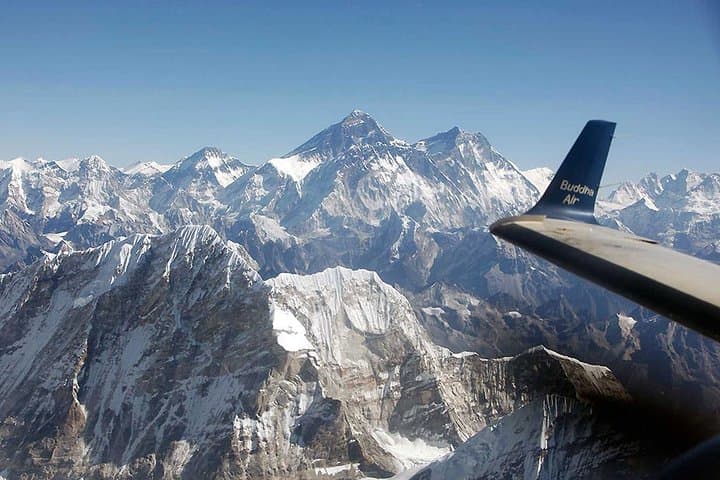
Climb into a short luxury flight from Kathmandu and watch Everest rise from a sea of peaks. This 75‑minute scenic flight offers close, unforgettable aerial views of Everest, Khumbu and the high Himalaya — ideal for travelers short on time but hungry for high-altitude spectacle.
Climb into a short luxury flight from Kathmandu and watch Everest rise from a sea of peaks. This 75‑minute scenic flight offers close, unforgettable aerial views of Everest, Khumbu and the high Himalaya — ideal for travelers short on time but hungry for high-altitude spectacle.
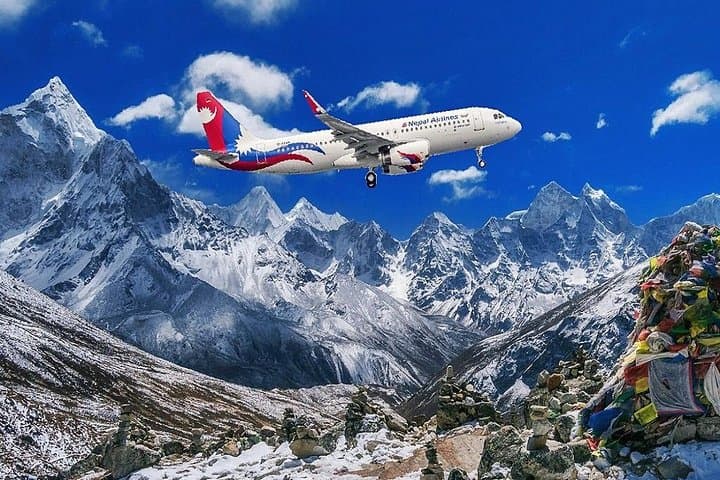
A low hum builds beneath you as the aircraft taxis away from Tribhuvan International. Kathmandu cranes below — a patchwork of rooftops and river bends — while the Himalaya begins to claim the horizon. Within minutes the city shrinks and a serrated wall of ice and rock takes over, sunlight turning glaciers into bright, brittle edges. The plane skirts valleys that have guided traders and pilgrims for centuries; the mountains seem to lean in, daring you to look closer.
Verified experiences and guided adventures in the surrounding area.
Operated by Master Himalaya Treks and Expedition · Kathmandu, Bagmati Province
A low hum builds beneath you as the aircraft taxis away from Tribhuvan International. Kathmandu cranes below — a patchwork of rooftops and river bends — while the Himalaya begins to claim the horizon. Within minutes the city shrinks and a serrated wall of ice and rock takes over, sunlight turning glaciers into bright, brittle edges. The plane skirts valleys that have guided traders and pilgrims for centuries; the mountains seem to lean in, daring you to look closer.
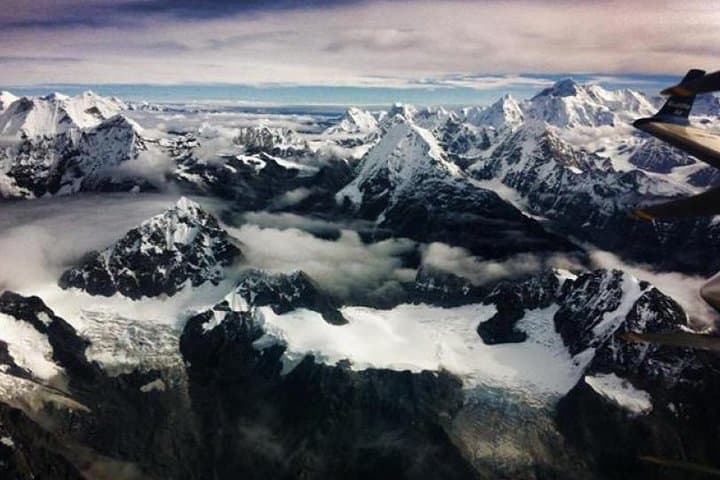
The flight traces the younger geology of the Himalaya, where the Indian plate still thrusts north under the Eurasian, piling strata into jagged peaks and deep, glacially carved troughs. From the air you can pick out moraine fields, hanging glaciers and the pale sweep of the Khumbu icefall — features that shaped Sherpa culture, trade routes and the modern history of mountaineering.
Practically, expect a 75‑minute round trip from Kathmandu with views of Everest and neighboring giants when weather permits. Morning departures give crisper light and a higher chance of clear skies. Cameras with zoom lenses are essential; carry your passport and travel documents for airport formalities. Motion-sensitive travelers should plan for mild turbulence and brief oxygen changes at altitude.
The experience is accessible: minimal fitness required, wheelchair‑accessible transfers are often offered, and flights include light snacks. Remember this is a viewing flight — no landing on Everest — but the perspective is unmatched for first‑time visitors and seasoned trekkers alike. Book early in clear seasons and keep plans flexible to avoid weather cancellations.
easy.
1–1.5 hours.
No specific fitness required beyond basic mobility; suitable for most travelers.
The scheduled flight duration is approximately 75 minutes from Kathmandu, including takeoff, the aerial circuit of the Everest region, and return.
No — this is a scenic sightseeing flight that circles the Everest massif and nearby peaks without landing at high‑altitude sites.
Flights are commonly canceled or rescheduled for poor visibility; operators typically offer a full refund if canceled 24 hours before departure or due to weather.
Yes — the activity is classified as easy and accessible; however those with serious cardiovascular issues should consult a physician, and operators may request weight and health info.
The Everest region has long been traversed by Sherpa trading routes; aviation tours began in the mid‑20th century after the establishment of mountain aviation in Nepal.
Aerial tours minimize ground impact but increased tourism pressures local infrastructure; favor operators who follow weight limits, trash protocols, and support local communities.
Master Himalaya Treks and Expedition operates guided outdoor trips and adventures with an emphasis on safety, stewardship, and memorable experiences.
A low hum builds beneath you as the aircraft taxis away from Tribhuvan International. Kathmandu cranes below — a patchwork of rooftops and river bends — while the Himalaya begins to claim the horizon. Within minutes the city shrinks and a serrated wall of ice and rock takes over, sunlight turning glaciers into bright, brittle edges. The plane skirts valleys that have guided traders and pilgrims for centuries; the mountains seem to lean in, daring you to look closer.
A low hum builds beneath you as the aircraft taxis away from Tribhuvan International. Kathmandu cranes below — a patchwork of rooftops and river bends — while the Himalaya begins to claim the horizon. Within minutes the city shrinks and a serrated wall of ice and rock takes over, sunlight turning glaciers into bright, brittle edges. The plane skirts valleys that have guided traders and pilgrims for centuries; the mountains seem to lean in, daring you to look closer.
The flight traces the younger geology of the Himalaya, where the Indian plate still thrusts north under the Eurasian, piling strata into jagged peaks and deep, glacially carved troughs. From the air you can pick out moraine fields, hanging glaciers and the pale sweep of the Khumbu icefall — features that shaped Sherpa culture, trade routes and the modern history of mountaineering.
Practically, expect a 75‑minute round trip from Kathmandu with views of Everest and neighboring giants when weather permits. Morning departures give crisper light and a higher chance of clear skies. Cameras with zoom lenses are essential; carry your passport and travel documents for airport formalities. Motion-sensitive travelers should plan for mild turbulence and brief oxygen changes at altitude.
The experience is accessible: minimal fitness required, wheelchair‑accessible transfers are often offered, and flights include light snacks. Remember this is a viewing flight — no landing on Everest — but the perspective is unmatched for first‑time visitors and seasoned trekkers alike. Book early in clear seasons and keep plans flexible to avoid weather cancellations.