THE ADVENTURE COLLECTIVE® · Independent discovery and booking for outdoor travel

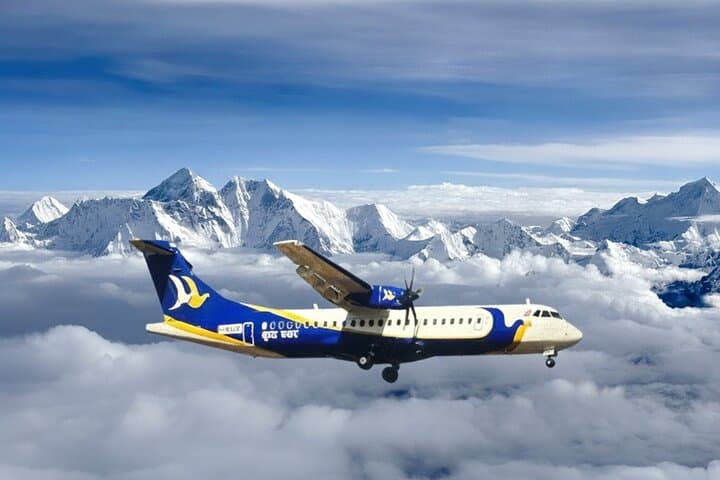
Lift off at dawn and meet the Himalaya from the guaranteed window seat of a Buddha Air scenic flight. In under an hour you’ll circle iconic peaks — Everest, Lhotse, Ama Dablam — on a route shaped by geology and mountaineering history.
Lift off at dawn and meet the Himalaya from the guaranteed window seat of a Buddha Air scenic flight. In under an hour you’ll circle iconic peaks — Everest, Lhotse, Ama Dablam — on a route shaped by geology and mountaineering history.
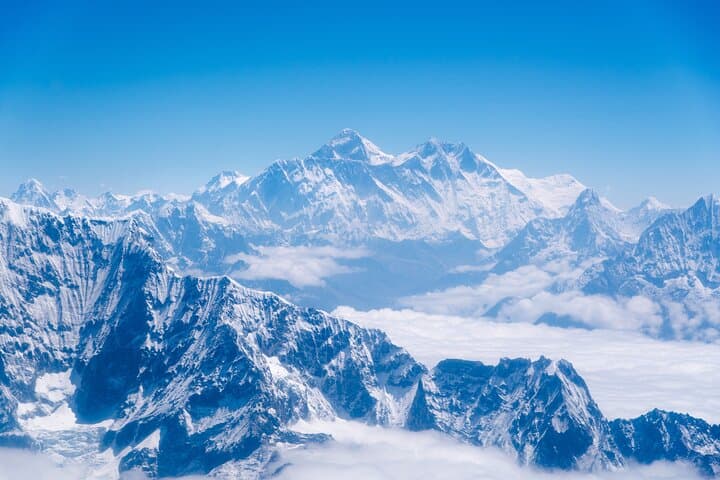
Before the engines spool up you can already see the skyline of Kathmandu thinning, the city giving way to terraced fields and the first ridgelines. Dawn light catches the snow and the plane lifts, and suddenly the Himalaya push up to meet you — chiseled faces of rock and ice, ridges that seem to breathe and glaciers that dare you to look closer.
Verified experiences and guided adventures in the surrounding area.
Operated by KJ Adventure Nepal Private Limited · Kathmandu, Bagmati Province
Before the engines spool up you can already see the skyline of Kathmandu thinning, the city giving way to terraced fields and the first ridgelines. Dawn light catches the snow and the plane lifts, and suddenly the Himalaya push up to meet you — chiseled faces of rock and ice, ridges that seem to breathe and glaciers that dare you to look closer.
The flight follows a route used by early surveyors and mountaineering expeditions, a short history threaded with Sherpa climbing culture and the mapping of world’s highest peaks. Geologically, these mountains are the living edge of the Indian and Eurasian plates; the folds and faults you pass are the planet’s slow, visible motion. From the window you’ll pick out Ama Dablam’s elegant peak, the broad shoulders of Lhotse and the sheer wall of Nuptse, and then, weather permitting, Everest itself, looming and precise.
This is not a trek but an observation—an aerial reconnaissance that introduces the grandeur without the weeks on foot. Practicalities matter: flights depart early for stable air and clearer light; seat position is guaranteed but bring a lens with reach and warm layers for the cold cabin. Expect a 50–60 minute airborne loop, vertical altitudes that place you five nautical miles from Everest at peak view.
Timing, weather, and patience shape the experience. If clouds close in, operators typically reschedule or refund. For photographers, aim for clear, cold mornings; for culture seekers, pair the flight with a half-day in Kathmandu to visit a monastery viewpoint and taste local tea afterward.
easy.
1–3 hours.
Minimal physical fitness required; suitable for most travelers who can manage short airport procedures
The airborne portion is typically 50–60 minutes; flights circle the Khumbu valley and aim to bring you close to Everest, weather permitting—clear conditions are essential for a view.
Yes, this service guarantees individual window seats for every passenger to maximize viewing and photography opportunities.
If the operator cancels for weather, they usually reschedule at no extra cost or offer a full refund if rescheduling isn’t possible.
Yes, it’s classified as physically easy; infants may need to sit on laps and passengers should follow airline age and health guidelines.
Kathmandu has long been a gateway for Himalayan exploration; early 20th-century survey flights and mountaineering expeditions established routes and local Sherpa climbing traditions that continue today.
Glacial retreat and changing weather patterns affect visibility and long-term access to high-altitude landscapes; opt for operators that support local communities and respectful landing/flight practices.
KJ Adventure Nepal Private Limited operates guided outdoor trips and adventures with an emphasis on safety, stewardship, and memorable experiences.
Before the engines spool up you can already see the skyline of Kathmandu thinning, the city giving way to terraced fields and the first ridgelines. Dawn light catches the snow and the plane lifts, and suddenly the Himalaya push up to meet you — chiseled faces of rock and ice, ridges that seem to breathe and glaciers that dare you to look closer.
Before the engines spool up you can already see the skyline of Kathmandu thinning, the city giving way to terraced fields and the first ridgelines. Dawn light catches the snow and the plane lifts, and suddenly the Himalaya push up to meet you — chiseled faces of rock and ice, ridges that seem to breathe and glaciers that dare you to look closer.
The flight follows a route used by early surveyors and mountaineering expeditions, a short history threaded with Sherpa climbing culture and the mapping of world’s highest peaks. Geologically, these mountains are the living edge of the Indian and Eurasian plates; the folds and faults you pass are the planet’s slow, visible motion. From the window you’ll pick out Ama Dablam’s elegant peak, the broad shoulders of Lhotse and the sheer wall of Nuptse, and then, weather permitting, Everest itself, looming and precise.
This is not a trek but an observation—an aerial reconnaissance that introduces the grandeur without the weeks on foot. Practicalities matter: flights depart early for stable air and clearer light; seat position is guaranteed but bring a lens with reach and warm layers for the cold cabin. Expect a 50–60 minute airborne loop, vertical altitudes that place you five nautical miles from Everest at peak view.
Timing, weather, and patience shape the experience. If clouds close in, operators typically reschedule or refund. For photographers, aim for clear, cold mornings; for culture seekers, pair the flight with a half-day in Kathmandu to visit a monastery viewpoint and taste local tea afterward.