THE ADVENTURE COLLECTIVE® · Independent discovery and booking for outdoor travel

A compact 7-day trek through the Khumbu to Syangboche that delivers dramatic Everest views and Sherpa village culture without the long endurance push to base camp. Ideal for travelers seeking high-mountain scenery on a moderate, lodge-based route.
A compact 7-day trek through the Khumbu to Syangboche that delivers dramatic Everest views and Sherpa village culture without the long endurance push to base camp. Ideal for travelers seeking high-mountain scenery on a moderate, lodge-based route.
You step off the mountain flight into Lukla and the air seems to tilt toward the high peaks—stone stairways, prayer flags snapping like small applause, and the Dudh Koshi River daring you onward. Over seven days this short but concentrated trek climbs through rhododendron forest and Sherpa villages to Syangboche (≈3,780 m), where Everest and its neighboring summits fill the skyline like a hard-won postcard.
Verified experiences and guided adventures in the surrounding area.
Operated by Adventure Vision Treks and Travels · Namche Bazaar, Solukhumbu District
You step off the mountain flight into Lukla and the air seems to tilt toward the high peaks—stone stairways, prayer flags snapping like small applause, and the Dudh Koshi River daring you onward. Over seven days this short but concentrated trek climbs through rhododendron forest and Sherpa villages to Syangboche (≈3,780 m), where Everest and its neighboring summits fill the skyline like a hard-won postcard.
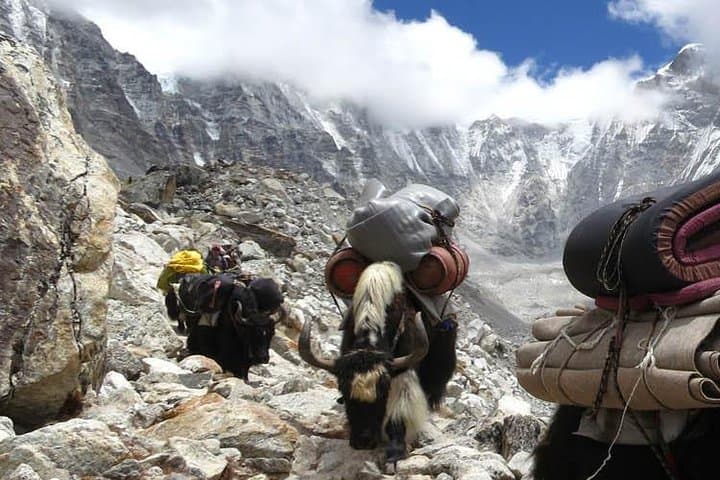
The route threads through the cultural heart of the Khumbu. Sherpa communities in Phakding, Namche Bazaar and Tengboche have traded yak wool and stories for generations; Tengboche Monastery anchors local spiritual life and offers sweeping vantage points. Geologically, the Khumbu is young Himalaya—steep, glaciated ridges carved by ice and river, with moraines and outwash plains visible from village trails.
Expect narrow, stone-paved steps, occasional suspension bridges over the Dudh Koshi, and rapidly changing weather that gives the mountains dramatic moods. Wildlife sightings can include Himalayan monal and musk deer foraging in subalpine slopes.
Practically: the trek is considered moderate—short days but steady ascent with one key high point at Syangboche. Permits (Sagarmatha National Park TIMS) are required and usually handled by guides. Accommodations are tea-house lodges with simple meals; hot water and charging are often available for a small fee. Hydrate, pace your ascent, and bring layered insulation for cold mornings and windy ridgelines. Flights to Lukla are weather-dependent; build buffer time in Kathmandu before departure.
This itinerary is ideal for travelers who want Himalayan panoramas and Sherpa culture without the extended push to Everest Base Camp.
moderate.
6–7 days.
Moderate fitness; ability to hike 4–6 hours daily on uneven terrain with steady uphill sections
Yes—Sagarmatha National Park entry and a TIMS permit are required; reputable operators handle permits and carry them for the group.
It’s moderate: daily hikes of 3–6 hours with a steady ascent to ~3,780 m; prior hiking experience helps but intensive training isn’t necessary.
Most travelers in good health can fly to Lukla, though flights are weather-dependent and brief; aviophobia or motion sensitivity should be considered.
Tea-house lodges provide basic private rooms or shared dorms, simple hot meals, and limited charging; expect modest facilities rather than hotels.
The Khumbu is the traditional homeland of the Sherpa people; trade routes and monasteries like Tengboche shaped local culture long before climbing expeditions arrived.
This trek passes through Sagarmatha National Park—carry out waste, use refillable bottles, and support lodges that follow local waste-management practices.
Adventure Vision Treks and Travels operates guided outdoor trips and adventures with an emphasis on safety, stewardship, and memorable experiences.
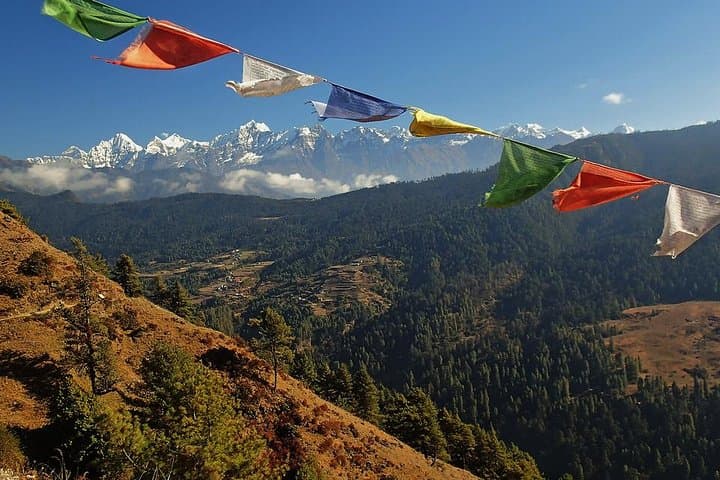
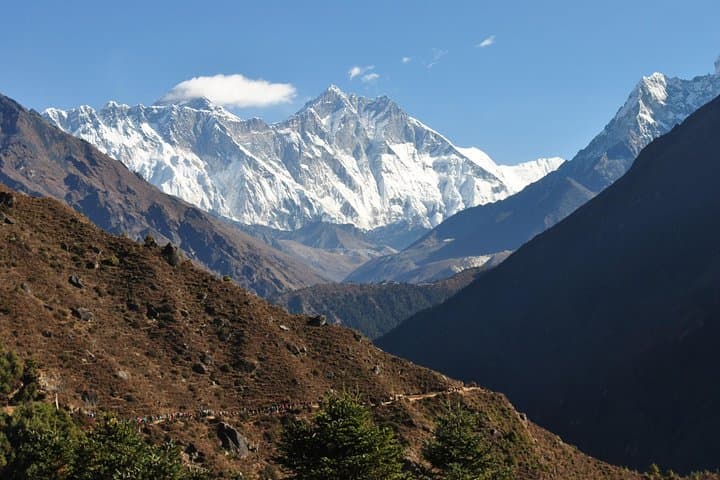
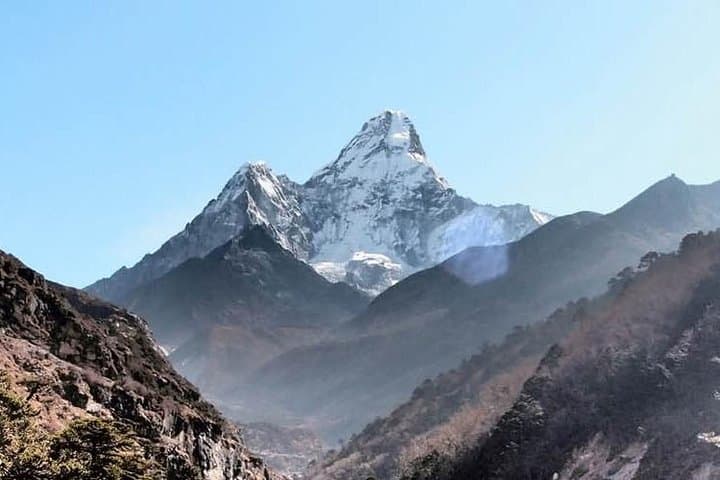
You step off the mountain flight into Lukla and the air seems to tilt toward the high peaks—stone stairways, prayer flags snapping like small applause, and the Dudh Koshi River daring you onward. Over seven days this short but concentrated trek climbs through rhododendron forest and Sherpa villages to Syangboche (≈3,780 m), where Everest and its neighboring summits fill the skyline like a hard-won postcard.
You step off the mountain flight into Lukla and the air seems to tilt toward the high peaks—stone stairways, prayer flags snapping like small applause, and the Dudh Koshi River daring you onward. Over seven days this short but concentrated trek climbs through rhododendron forest and Sherpa villages to Syangboche (≈3,780 m), where Everest and its neighboring summits fill the skyline like a hard-won postcard.
The route threads through the cultural heart of the Khumbu. Sherpa communities in Phakding, Namche Bazaar and Tengboche have traded yak wool and stories for generations; Tengboche Monastery anchors local spiritual life and offers sweeping vantage points. Geologically, the Khumbu is young Himalaya—steep, glaciated ridges carved by ice and river, with moraines and outwash plains visible from village trails.
Expect narrow, stone-paved steps, occasional suspension bridges over the Dudh Koshi, and rapidly changing weather that gives the mountains dramatic moods. Wildlife sightings can include Himalayan monal and musk deer foraging in subalpine slopes.
Practically: the trek is considered moderate—short days but steady ascent with one key high point at Syangboche. Permits (Sagarmatha National Park TIMS) are required and usually handled by guides. Accommodations are tea-house lodges with simple meals; hot water and charging are often available for a small fee. Hydrate, pace your ascent, and bring layered insulation for cold mornings and windy ridgelines. Flights to Lukla are weather-dependent; build buffer time in Kathmandu before departure.
This itinerary is ideal for travelers who want Himalayan panoramas and Sherpa culture without the extended push to Everest Base Camp.