THE ADVENTURE COLLECTIVE® · Independent discovery and booking for outdoor travel

Soar from Kathmandu over terraced valleys and into the shadow of Everest on a one‑hour mountain flight. Early-morning departures offer the best light and the clearest views of Everest and neighboring giants.
Soar from Kathmandu over terraced valleys and into the shadow of Everest on a one‑hour mountain flight. Early-morning departures offer the best light and the clearest views of Everest and neighboring giants.
You lift above Kathmandu as dawn cools the valley; the city’s brick roofs shrink and the air sharpens. Within minutes the urban sprawl gives way to terraced foothills, then a jagged skyline of ice and rock — Everest rising like a pale, uncompromising ruler on the horizon. The aircraft wheels in to grant a full circling view, each turn revealing a different face of the highest peak on Earth.
Verified experiences and guided adventures in the surrounding area.
Operated by Himalayan Planet Adventures · Kathmandu, Bagmati Province
You lift above Kathmandu as dawn cools the valley; the city’s brick roofs shrink and the air sharpens. Within minutes the urban sprawl gives way to terraced foothills, then a jagged skyline of ice and rock — Everest rising like a pale, uncompromising ruler on the horizon. The aircraft wheels in to grant a full circling view, each turn revealing a different face of the highest peak on Earth.
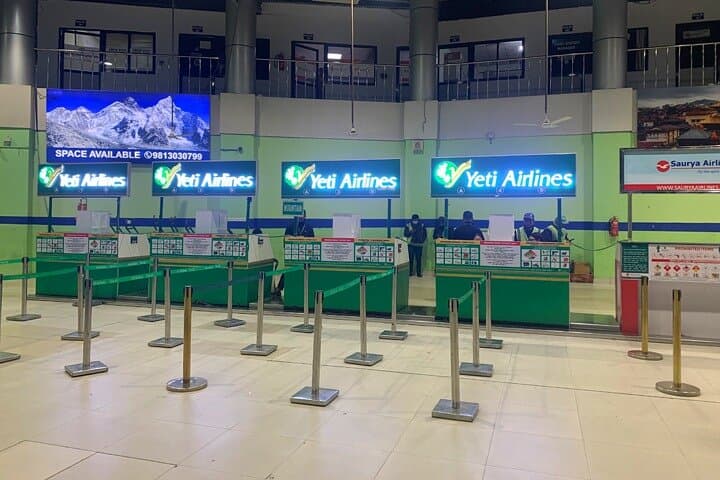
These mountain flights operate from Tribhuvan International Airport in the early morning, typically between 6:00–9:00 AM, and the airborne portion around the Everest massif lasts roughly an hour. Built by millennia of tectonic collision, the Himalaya owe their height to the ongoing push between the Indian and Eurasian plates; culturally, the region is the ancestral home of Sherpa communities whose villages and prayer flags punctuate the valleys below. Flights commonly operate on carriers such as Buddha Air, Yeti Air or Guna Air and guarantee window seating for photography.
Practicalities matter: bring your passport (a scan is usually required for ticketing), dress warm — temperatures at altitude bite even in summer — and expect weather to dictate visibility; operators may adjust schedules or aircraft. The experience is low-physical, high-sensory: no hiking required, but arrive early for check-in, follow crew safety briefings, and keep cameras ready for quick exposures. If you've come to see Everest without a multi-day trek, this flight is the most efficient, photographic way to meet the giant and return to Kathmandu within a morning.
easy.
2–3 hours (including transfers).
Minimal fitness required; suitable for most travelers who can board small aircraft
Views depend on weather and visibility; early-morning departures maximize chances but clear sightings are not guaranteed and some operators warn that limited views are possible.
The dedicated aerial circuit near Everest typically lasts about 45–60 minutes within a 2–3 hour total tour including transfers and airport time.
Infants may sit on an adult’s lap per operator policy, but booking and check-in rules vary so confirm when reserving.
They are generally low-risk but not recommended for those with serious cardiovascular conditions; consult your doctor and the operator before booking.
Kathmandu has long been the gateway for Himalayan exploration; Sir Edmund Hillary and Tenzing Norgay’s 1953 ascent cemented Everest’s place in mountaineering history and drew global attention to the region.
Everest tourism has raised concerns about waste and overcrowding on popular routes; choose operators that support local communities and follow leave-no-trace principles.
Himalayan Planet Adventures operates guided outdoor trips and adventures with an emphasis on safety, stewardship, and memorable experiences.


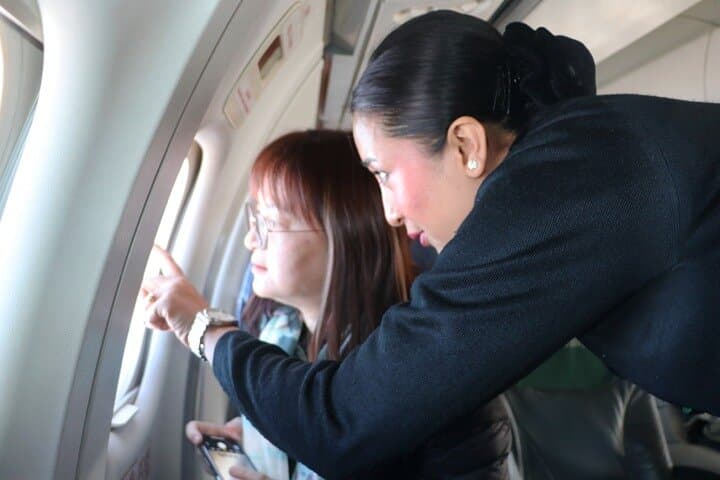
You lift above Kathmandu as dawn cools the valley; the city’s brick roofs shrink and the air sharpens. Within minutes the urban sprawl gives way to terraced foothills, then a jagged skyline of ice and rock — Everest rising like a pale, uncompromising ruler on the horizon. The aircraft wheels in to grant a full circling view, each turn revealing a different face of the highest peak on Earth.
You lift above Kathmandu as dawn cools the valley; the city’s brick roofs shrink and the air sharpens. Within minutes the urban sprawl gives way to terraced foothills, then a jagged skyline of ice and rock — Everest rising like a pale, uncompromising ruler on the horizon. The aircraft wheels in to grant a full circling view, each turn revealing a different face of the highest peak on Earth.
These mountain flights operate from Tribhuvan International Airport in the early morning, typically between 6:00–9:00 AM, and the airborne portion around the Everest massif lasts roughly an hour. Built by millennia of tectonic collision, the Himalaya owe their height to the ongoing push between the Indian and Eurasian plates; culturally, the region is the ancestral home of Sherpa communities whose villages and prayer flags punctuate the valleys below. Flights commonly operate on carriers such as Buddha Air, Yeti Air or Guna Air and guarantee window seating for photography.
Practicalities matter: bring your passport (a scan is usually required for ticketing), dress warm — temperatures at altitude bite even in summer — and expect weather to dictate visibility; operators may adjust schedules or aircraft. The experience is low-physical, high-sensory: no hiking required, but arrive early for check-in, follow crew safety briefings, and keep cameras ready for quick exposures. If you've come to see Everest without a multi-day trek, this flight is the most efficient, photographic way to meet the giant and return to Kathmandu within a morning.