THE ADVENTURE COLLECTIVE® · Independent discovery and booking for outdoor travel

Take a short morning flight from Kathmandu for jaw-dropping, close-range views of Everest and neighboring giants. This 40–60 minute airborne tour pairs a guaranteed window seat with private transfers and clear-season scheduling for optimal visibility.
Take a short morning flight from Kathmandu for jaw-dropping, close-range views of Everest and neighboring giants. This 40–60 minute airborne tour pairs a guaranteed window seat with private transfers and clear-season scheduling for optimal visibility.
The engine hums, the city shrinks and the high ridgelines of the Himalaya step forward like a skyline you can walk on. Within minutes the plane climbs into cold, thin air and the world’s highest peaks take command of the view: Everest rises above jagged cornices, Nuptse throws a long shadow, and Pumori and Cho Oyu punctuate the horizon.
Verified experiences and guided adventures in the surrounding area.
Operated by Himalayan Smile Treks and Adventure Pvt. Ltd · Kathmandu, Bagmati Province
The engine hums, the city shrinks and the high ridgelines of the Himalaya step forward like a skyline you can walk on. Within minutes the plane climbs into cold, thin air and the world’s highest peaks take command of the view: Everest rises above jagged cornices, Nuptse throws a long shadow, and Pumori and Cho Oyu punctuate the horizon.
Geology is on display — the Himalayan range is the result of the Indian plate colliding with Eurasia, thrusting sedimentary layers into towering granite and ice. Culturally, this corridor has long been stitched together by Sherpa communities and mountaineering history; the 1953 Everest ascent still shapes routes, lore, and local guiding economies. From the sky you can read that history in camps, glacier funnels and human traces clinging to high ridgelines.
Practical guidance is straightforward. Flights depart early from Kathmandu’s domestic terminal; the airborne segment is roughly 40–60 minutes with total door-to-door time about 2–3 hours including airport transfers. Window seats are typically guaranteed, but expect tight legroom and a bumpy ride if conditions change. Dress warm — layers and a windproof jacket help for colder cabin air and brisk tarmac mornings. Bring a camera with a short telephoto and fast shutter speeds; glare and reflective snow demand a polarizing filter and quick adjustments.
Health notes: this is a sightseeing flight, not a climb — fitness requirements are low, but people with cardiovascular or spinal conditions, and pregnant travelers, should avoid it. Book morning departures in the high-visibility months (March–May, Sept–Nov) for the clearest views and the best chance of a memorable, cinematic approach to the roof of the world.
easy.
2–3 hours.
Suitable for all fitness levels — minimal exertion; standing or walking short distances at the airport only.
The airborne portion runs about 40–60 minutes; total tour time including pickup, check-in and transfers is typically 2–3 hours.
This operator advertises that everyone gets a window seat; still confirm your seat assignment at pickup or check-in to secure the mountain-facing side.
Morning visibility matters — the operator’s published policy does not guarantee automatic refunds for weather, so confirm options to reschedule or receive a credit if conditions prevent safe sightseeing.
No — the tour is not recommended for pregnant travelers or people with significant cardiovascular or spinal conditions; consult a physician before booking.
Mount Everest’s modern climbing history (starting with expeditions in the early 20th century and the 1953 first ascent) made Kathmandu the gateway for expeditions, shaping local guiding culture and mountain logistics.
High-altitude tourism increases pressure on fragile ecosystems and generates carbon emissions; choose operators committed to waste management, support local conservation fees, and offset flight emissions when possible.
Himalayan Smile Treks and Adventure Pvt. Ltd operates guided outdoor trips and adventures with an emphasis on safety, stewardship, and memorable experiences.
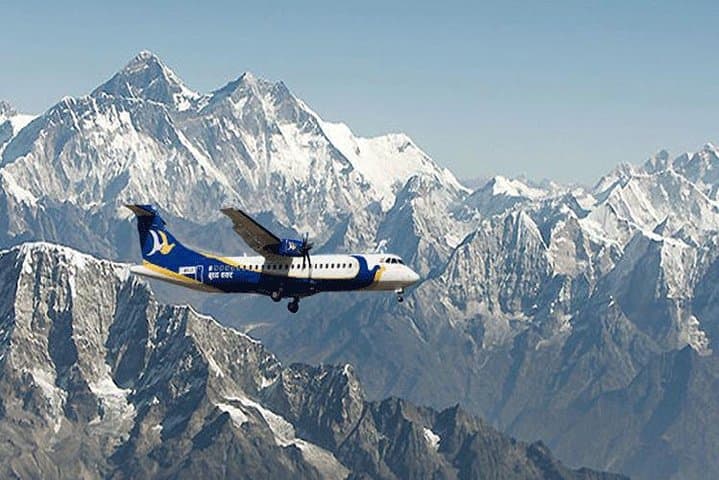
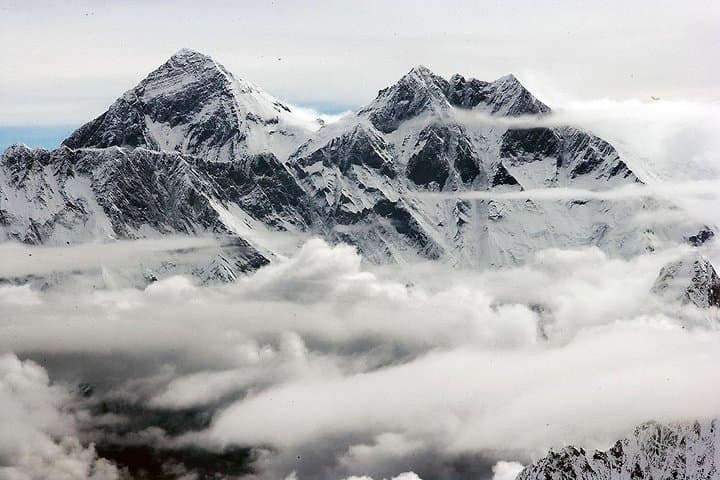
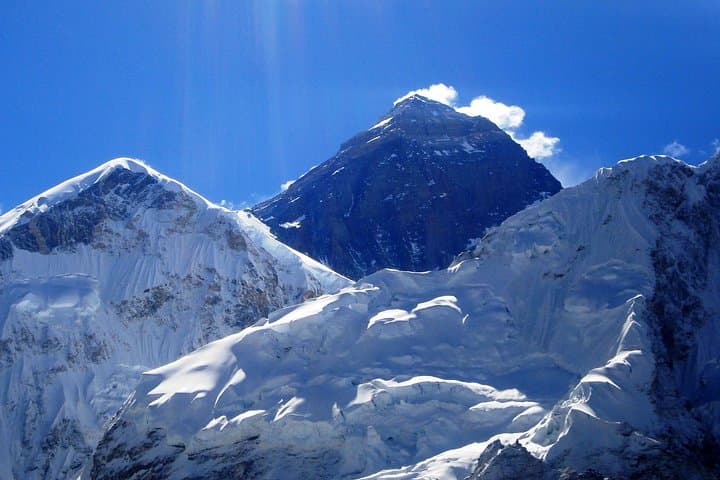
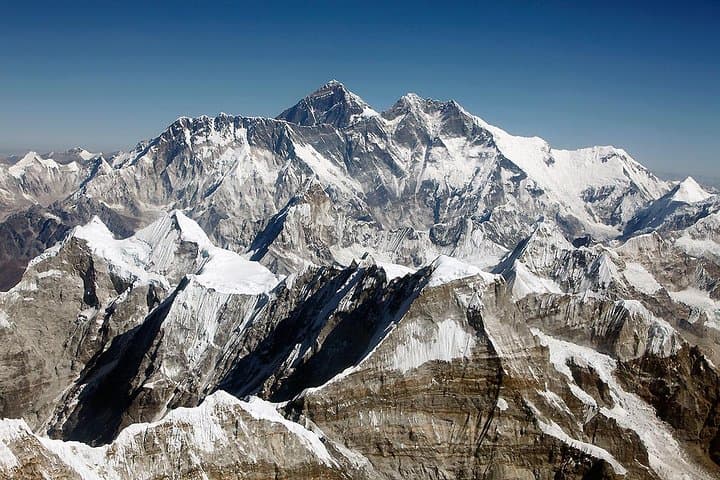
The engine hums, the city shrinks and the high ridgelines of the Himalaya step forward like a skyline you can walk on. Within minutes the plane climbs into cold, thin air and the world’s highest peaks take command of the view: Everest rises above jagged cornices, Nuptse throws a long shadow, and Pumori and Cho Oyu punctuate the horizon.
The engine hums, the city shrinks and the high ridgelines of the Himalaya step forward like a skyline you can walk on. Within minutes the plane climbs into cold, thin air and the world’s highest peaks take command of the view: Everest rises above jagged cornices, Nuptse throws a long shadow, and Pumori and Cho Oyu punctuate the horizon.
Geology is on display — the Himalayan range is the result of the Indian plate colliding with Eurasia, thrusting sedimentary layers into towering granite and ice. Culturally, this corridor has long been stitched together by Sherpa communities and mountaineering history; the 1953 Everest ascent still shapes routes, lore, and local guiding economies. From the sky you can read that history in camps, glacier funnels and human traces clinging to high ridgelines.
Practical guidance is straightforward. Flights depart early from Kathmandu’s domestic terminal; the airborne segment is roughly 40–60 minutes with total door-to-door time about 2–3 hours including airport transfers. Window seats are typically guaranteed, but expect tight legroom and a bumpy ride if conditions change. Dress warm — layers and a windproof jacket help for colder cabin air and brisk tarmac mornings. Bring a camera with a short telephoto and fast shutter speeds; glare and reflective snow demand a polarizing filter and quick adjustments.
Health notes: this is a sightseeing flight, not a climb — fitness requirements are low, but people with cardiovascular or spinal conditions, and pregnant travelers, should avoid it. Book morning departures in the high-visibility months (March–May, Sept–Nov) for the clearest views and the best chance of a memorable, cinematic approach to the roof of the world.