THE ADVENTURE COLLECTIVE® · Independent discovery and booking for outdoor travel

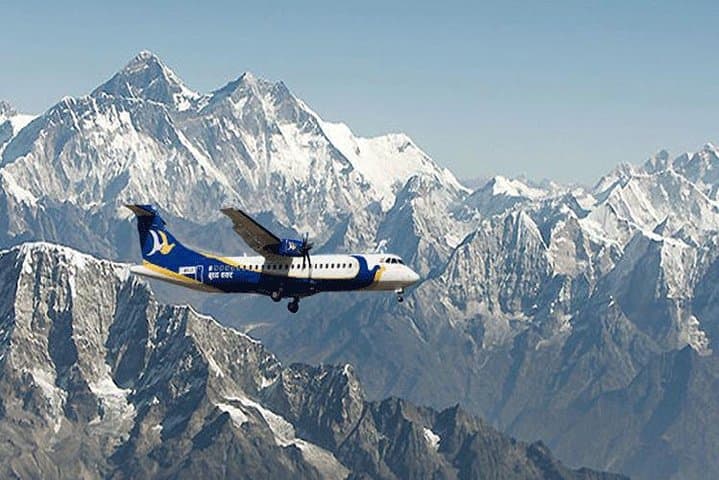
Fly from Kathmandu for a 40–60 minute scenic sortie that brings Mount Everest and neighboring giants into sharp view. Early-morning departures in spring and autumn offer the best visibility and photo light.
Fly from Kathmandu for a 40–60 minute scenic sortie that brings Mount Everest and neighboring giants into sharp view. Early-morning departures in spring and autumn offer the best visibility and photo light.
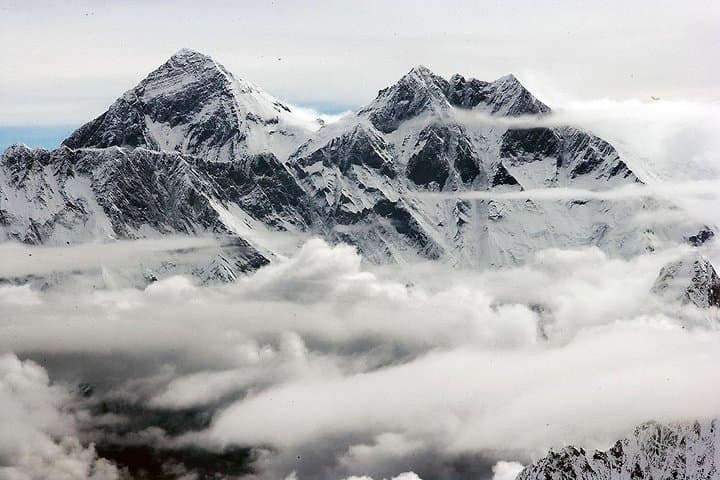
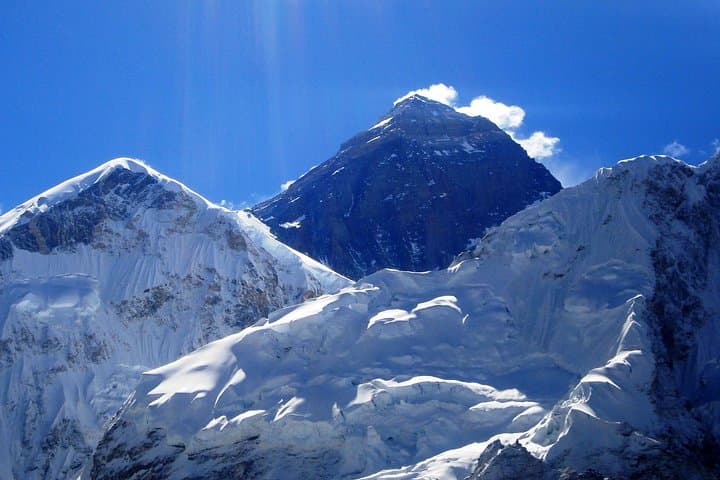
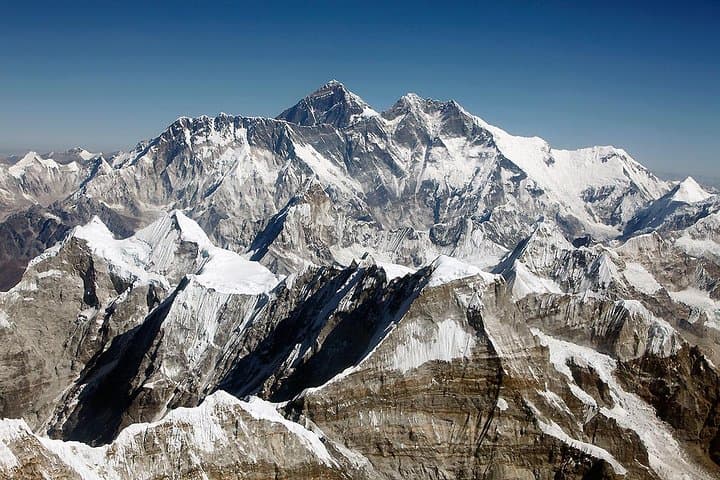
You lift off Kathmandu in the blue hour and the city quickly shrinks beneath patchwork rooftops. The plane slides north, engines softening as the Himalaya unfolds — a procession of serrated ridges, blue glaciers and the pyramidal face of Everest itself pushing above the cloud line. Peaks take on personality: Ama Dablam’s elegant prow, Pumori’s compact bulk, and the sheer north face of Cho Oyu that seems to dare you closer.
Verified experiences and guided adventures in the surrounding area.
Operated by Himalayan Smile Treks and Adventure Pvt. Ltd · Kathmandu, Bagmati Province
You lift off Kathmandu in the blue hour and the city quickly shrinks beneath patchwork rooftops. The plane slides north, engines softening as the Himalaya unfolds — a procession of serrated ridges, blue glaciers and the pyramidal face of Everest itself pushing above the cloud line. Peaks take on personality: Ama Dablam’s elegant prow, Pumori’s compact bulk, and the sheer north face of Cho Oyu that seems to dare you closer.
The flight is as much a geological primer as a photo run: these summits are the visible edge of the Indian plate colliding with Eurasia, folded and thrust upward over millions of years. Kathmandu remains the cultural gateway — a city of stupas, Sherpa mountaineering lore and expedition outfitters that have supported climbers since the mid-20th century, when Everest became an international obsession.
Practically, expect a 40–60 minute airborne window within a roughly 2–3 hour door-to-door outing when you include hotel transfer. Small aircraft fly early for the clearest air; timing and weather govern whether the peaks pop or hide. Bring a camera with optical zoom, dress in layers for the chilly cabin, and sit on the windward side if you want the best angles. Operators typically include pickup and drop-off at Kathmandu’s domestic terminal and provide commentary to point out major summits.
This is a high-reward, low-effort way to experience the high Himalaya — ideal for travelers who want an immediate, visual connection to the world’s tallest mountains without committing to trekking or climbing. Respect local guides’ safety briefings, and plan morning departures during March–May or September–November for the clearest views.
easy.
2–3 hours.
Suitable for all fitness levels; requires only normal mobility to get on/off a small aircraft
The airborne scenic window is typically 40–60 minutes; total tour time including pickup and transfers is usually about 2–3 hours.
Yes — most operators provide a guide or pilot commentary and point out major summits during the flight.
Late March–May and September–November (spring and autumn) provide the clearest skies and most stable conditions for viewing peaks.
This tour is not recommended for pregnant travelers or those with serious cardiovascular or spinal conditions; check with the operator and your physician beforehand.
Kathmandu has long been the staging point for Himalayan expeditions since early mountaineering eras; the first recorded summit of Everest in 1953 transformed the region into an international climbing hub.
These flights have a carbon footprint; choose operators who support local communities and credible conservation initiatives, and follow guidance to avoid disturbing sensitive high-altitude areas.
Himalayan Smile Treks and Adventure Pvt. Ltd operates guided outdoor trips and adventures with an emphasis on safety, stewardship, and memorable experiences.
You lift off Kathmandu in the blue hour and the city quickly shrinks beneath patchwork rooftops. The plane slides north, engines softening as the Himalaya unfolds — a procession of serrated ridges, blue glaciers and the pyramidal face of Everest itself pushing above the cloud line. Peaks take on personality: Ama Dablam’s elegant prow, Pumori’s compact bulk, and the sheer north face of Cho Oyu that seems to dare you closer.
You lift off Kathmandu in the blue hour and the city quickly shrinks beneath patchwork rooftops. The plane slides north, engines softening as the Himalaya unfolds — a procession of serrated ridges, blue glaciers and the pyramidal face of Everest itself pushing above the cloud line. Peaks take on personality: Ama Dablam’s elegant prow, Pumori’s compact bulk, and the sheer north face of Cho Oyu that seems to dare you closer.
The flight is as much a geological primer as a photo run: these summits are the visible edge of the Indian plate colliding with Eurasia, folded and thrust upward over millions of years. Kathmandu remains the cultural gateway — a city of stupas, Sherpa mountaineering lore and expedition outfitters that have supported climbers since the mid-20th century, when Everest became an international obsession.
Practically, expect a 40–60 minute airborne window within a roughly 2–3 hour door-to-door outing when you include hotel transfer. Small aircraft fly early for the clearest air; timing and weather govern whether the peaks pop or hide. Bring a camera with optical zoom, dress in layers for the chilly cabin, and sit on the windward side if you want the best angles. Operators typically include pickup and drop-off at Kathmandu’s domestic terminal and provide commentary to point out major summits.
This is a high-reward, low-effort way to experience the high Himalaya — ideal for travelers who want an immediate, visual connection to the world’s tallest mountains without committing to trekking or climbing. Respect local guides’ safety briefings, and plan morning departures during March–May or September–November for the clearest views.