THE ADVENTURE COLLECTIVE® · Independent discovery and booking for outdoor travel

Take a 50–60 minute early-morning flight from Kathmandu for close-up views of Everest, Lhotse and the Himalayan skyline. Ideal for travelers short on time, this scenic flight delivers dramatic alpine panoramas with minimal physical effort.
Take a 50–60 minute early-morning flight from Kathmandu for close-up views of Everest, Lhotse and the Himalayan skyline. Ideal for travelers short on time, this scenic flight delivers dramatic alpine panoramas with minimal physical effort.
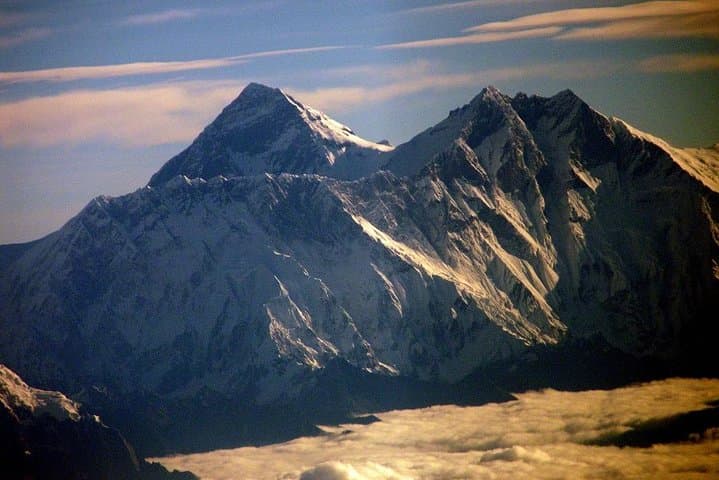
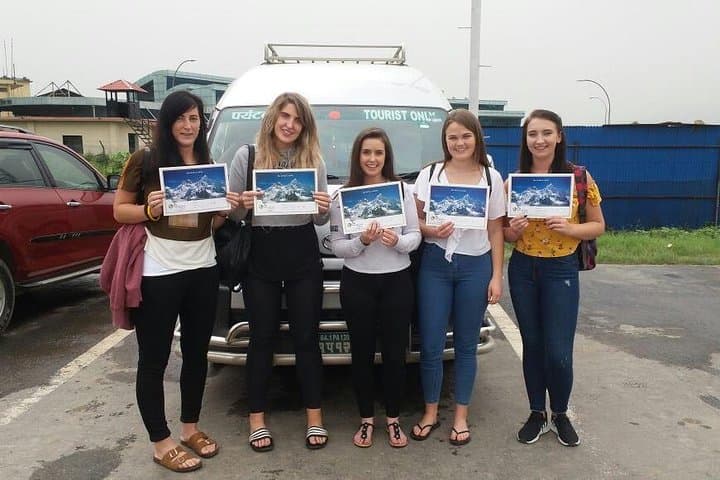
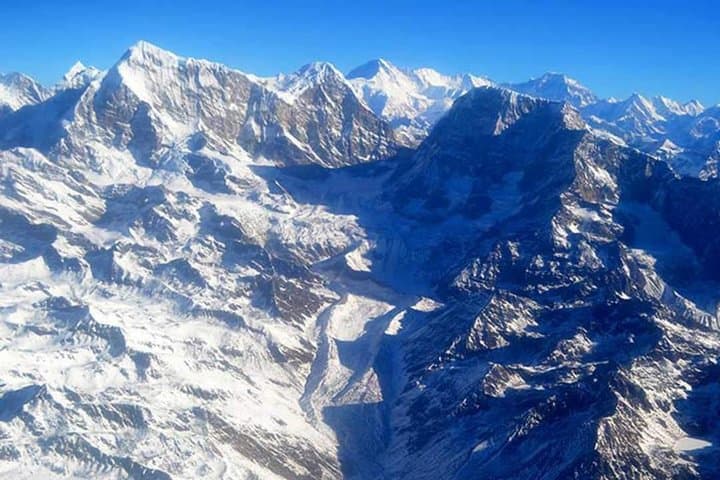
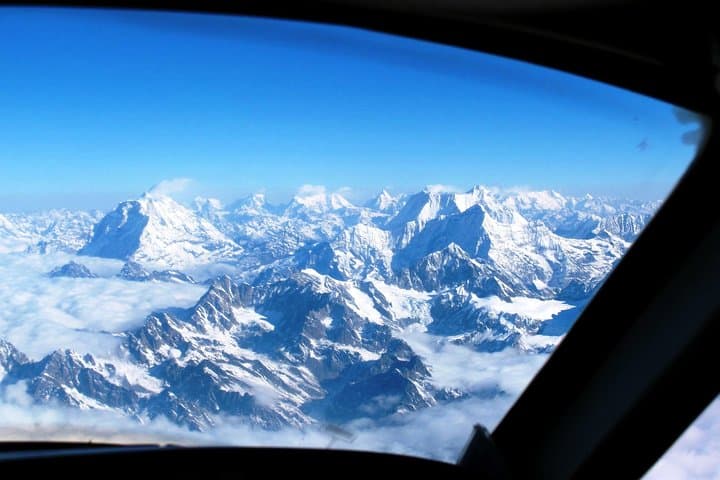
Dawn at Tribhuvan International: the tarmac is cool, a small turboprop hums, and the city lights fade as the aircraft climbs toward a rising wall of ice. Within minutes Kathmandu shrinks; the Himalaya grow—sharpened cornices, blue shadows in crevasses, and the pyramid of Everest pushing skyward. The co-pilot often steps forward for photos; the whole cabin leans toward the window.
Verified experiences and guided adventures in the surrounding area.
Operated by Breakfree Adventures Pvt. Ltd. · Kathmandu, Bagmati Province
Dawn at Tribhuvan International: the tarmac is cool, a small turboprop hums, and the city lights fade as the aircraft climbs toward a rising wall of ice. Within minutes Kathmandu shrinks; the Himalaya grow—sharpened cornices, blue shadows in crevasses, and the pyramid of Everest pushing skyward. The co-pilot often steps forward for photos; the whole cabin leans toward the window.
The flight threads a line of geological history—the Himalayan range born from the Indian plate colliding with Eurasia, folding rock into the world’s highest summits. From the air you’ll pick out Everest (8,848 m), nearby Lhotse and Nuptse, and farther east the fluted ridges of Makalu; behind them, the pale sweep of the Tibetan Plateau. Culturally, the panorama is also Sherpa country: valleys of yak pasture and tiny clusters of highland communities that have guided climbers for generations.
Practically: the flight is 50–60 minutes door-to-door, requires a valid passport at check-in, and runs only in clear weather—early mornings give the best visibility. Weight limits and aircraft balance can affect seating; expect light security and short airport transfer times. Bring warm layers, a good camera with fast shutter speed, and noise-reducing earbuds. Flights are low-effort physically but high on visual impact—perfect for travelers who want the Himalaya’s scale without trekking for weeks.
If clouds roll in, operators offer rebooking or refunds; plan extra days in Kathmandu for weather windows and enjoy the airport café while you wait.
easy.
50–60 minutes.
No special fitness required beyond being able to board a small aircraft and sit for about an hour
Yes—on clear mornings the flight passes close enough to see Everest’s summit and surrounding peaks; visibility depends on weather and time of day.
The tour is approximately 50–60 minutes total and departs from the domestic terminal at Tribhuvan International Airport, Kathmandu.
Most operators offer a rebook or full refund if canceled for weather; check the provider’s policy for transfer fees related to airport transport.
Small turboprops have balance and weight limits; airlines may allocate seats to maintain safety and can restrict carriage of heavy luggage—disclose passenger weights if requested.
Everest became globally prominent after the 1953 ascent by Edmund Hillary and Tenzing Norgay; mountain flights later grew as a way to witness peaks without long expeditions.
Overflights create noise and carbon impacts—consider offsetting emissions and choose operators who follow local environmental guidelines; avoid disturbing landing strips near fragile communities.
Breakfree Adventures Pvt. Ltd. operates guided outdoor trips and adventures with an emphasis on safety, stewardship, and memorable experiences.
Dawn at Tribhuvan International: the tarmac is cool, a small turboprop hums, and the city lights fade as the aircraft climbs toward a rising wall of ice. Within minutes Kathmandu shrinks; the Himalaya grow—sharpened cornices, blue shadows in crevasses, and the pyramid of Everest pushing skyward. The co-pilot often steps forward for photos; the whole cabin leans toward the window.
Dawn at Tribhuvan International: the tarmac is cool, a small turboprop hums, and the city lights fade as the aircraft climbs toward a rising wall of ice. Within minutes Kathmandu shrinks; the Himalaya grow—sharpened cornices, blue shadows in crevasses, and the pyramid of Everest pushing skyward. The co-pilot often steps forward for photos; the whole cabin leans toward the window.
The flight threads a line of geological history—the Himalayan range born from the Indian plate colliding with Eurasia, folding rock into the world’s highest summits. From the air you’ll pick out Everest (8,848 m), nearby Lhotse and Nuptse, and farther east the fluted ridges of Makalu; behind them, the pale sweep of the Tibetan Plateau. Culturally, the panorama is also Sherpa country: valleys of yak pasture and tiny clusters of highland communities that have guided climbers for generations.
Practically: the flight is 50–60 minutes door-to-door, requires a valid passport at check-in, and runs only in clear weather—early mornings give the best visibility. Weight limits and aircraft balance can affect seating; expect light security and short airport transfer times. Bring warm layers, a good camera with fast shutter speed, and noise-reducing earbuds. Flights are low-effort physically but high on visual impact—perfect for travelers who want the Himalaya’s scale without trekking for weeks.
If clouds roll in, operators offer rebooking or refunds; plan extra days in Kathmandu for weather windows and enjoy the airport café while you wait.