THE ADVENTURE COLLECTIVE® · Independent discovery and booking for outdoor travel

Soar from Kathmandu on a one-hour mountain flight that puts Mount Everest and the High Himalaya within arm’s reach. This guided sightseeing flight includes transfers and a guaranteed window seat for peak viewing during the clear-season months.
Soar from Kathmandu on a one-hour mountain flight that puts Mount Everest and the High Himalaya within arm’s reach. This guided sightseeing flight includes transfers and a guaranteed window seat for peak viewing during the clear-season months.
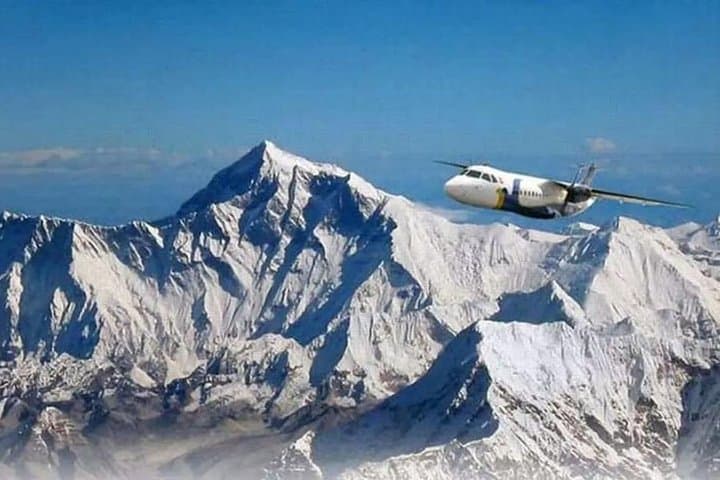
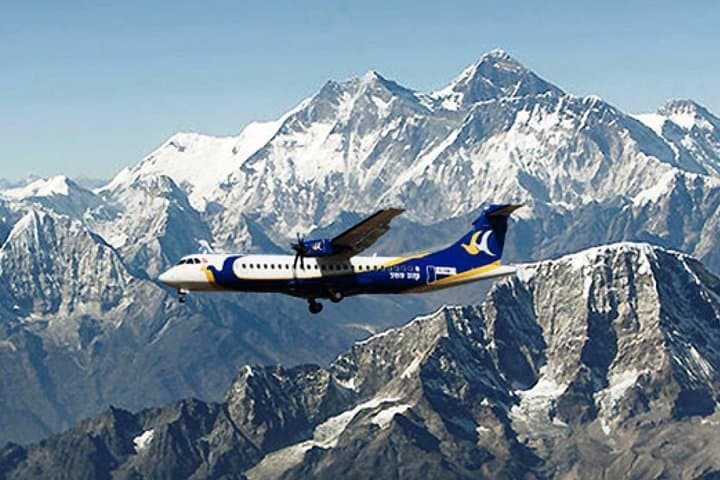
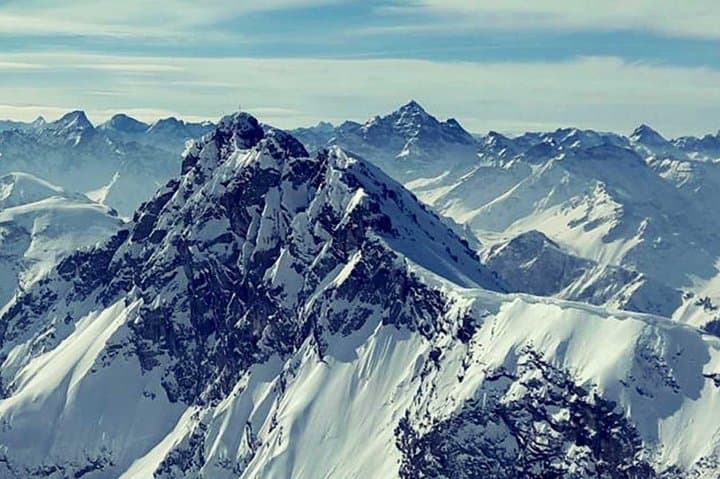
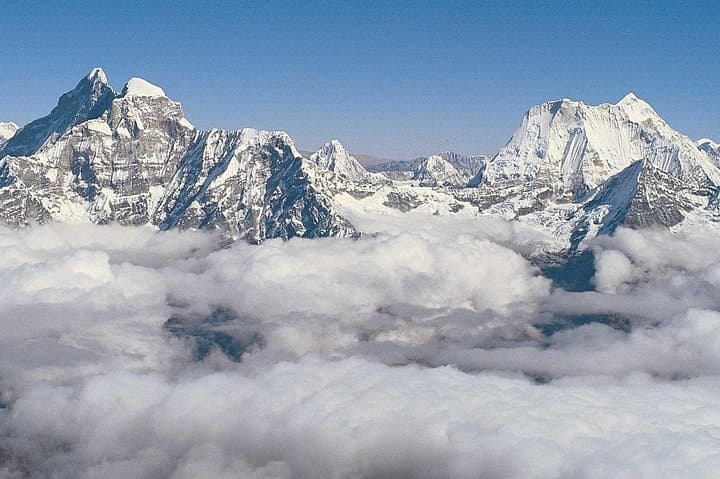
You taxi past Kathmandu’s low-rise cityscape, and within minutes the city shrinks as your turboprop climbs into the thinning air. Snowfields unfurl like folded maps; peaks begin to cut silhouettes against a cobalt sky. Mount Everest appears not as a distant story but as a raw ridge of ice and rock, daring you to register its scale.
Verified experiences and guided adventures in the surrounding area.
Operated by Mountain Hike Nepal · Kathmandu, Bagmati Province
You taxi past Kathmandu’s low-rise cityscape, and within minutes the city shrinks as your turboprop climbs into the thinning air. Snowfields unfurl like folded maps; peaks begin to cut silhouettes against a cobalt sky. Mount Everest appears not as a distant story but as a raw ridge of ice and rock, daring you to register its scale.
The flight traces the edge of the High Himalaya that formed when the Indian Plate collided with Eurasia, lifting dramatic seracs and glacial valleys. Along the route you’ll catch geological contrasts — slate-grey ridges, bright seracs, and the hanging glaciers that feed lowland rivers. The Everest region is threaded with Sherpa culture and centuries of mountaineering history, from early reconnaissance flights to the 1953 first ascent that shifted global imagination toward these slopes.
Practically, the excursion is a one-hour scenic flight operating from Tribhuvan International Airport with guaranteed window seating and roundtrip transfers from central Kathmandu neighborhoods. Best visibility typically comes September–March; operators may cancel in poor weather. Expect a framed, narrated tour rather than landings — cameras, binoculars, and warm layers make the experience comfortable and useful. People with significant cardiovascular issues or pregnancy should avoid flying; the trip is otherwise suitable for most fitness levels.
Plan to be ready at pick-up time, carry travel documents, and budget for potential reschedules due to mountain weather. The flight delivers an intense, uncomplicated way to see Everest — a fast, safe encounter with one of the planet’s most powerful landscapes.
easy.
1 hour.
Minimal fitness required; passengers should be able to board a small aircraft and sit for one hour comfortably
Late September through November and December through February typically offer the clearest skies and best visibility for mountain views.
No — this is a scenic flight that overflies mountain ranges; there is no landing at Everest itself, only panoramic passes and photo opportunities from the air.
This operator advertises guaranteed window seating; confirm at booking and during check-in to ensure placement.
Flights are frequently canceled for poor visibility; operators usually reschedule or cancel—check the ticket policy and allow flexibility in your itinerary.
The Himalaya formed from a tectonic collision; Everest gained global fame after the 1953 ascent and decades of exploratory flights and climbs.
Aerial tourism has low ground impact but contributes to emissions; support operators who follow local park guidelines and contribute to community conservation.
Mountain Hike Nepal operates guided outdoor trips and adventures with an emphasis on safety, stewardship, and memorable experiences.
You taxi past Kathmandu’s low-rise cityscape, and within minutes the city shrinks as your turboprop climbs into the thinning air. Snowfields unfurl like folded maps; peaks begin to cut silhouettes against a cobalt sky. Mount Everest appears not as a distant story but as a raw ridge of ice and rock, daring you to register its scale.
You taxi past Kathmandu’s low-rise cityscape, and within minutes the city shrinks as your turboprop climbs into the thinning air. Snowfields unfurl like folded maps; peaks begin to cut silhouettes against a cobalt sky. Mount Everest appears not as a distant story but as a raw ridge of ice and rock, daring you to register its scale.
The flight traces the edge of the High Himalaya that formed when the Indian Plate collided with Eurasia, lifting dramatic seracs and glacial valleys. Along the route you’ll catch geological contrasts — slate-grey ridges, bright seracs, and the hanging glaciers that feed lowland rivers. The Everest region is threaded with Sherpa culture and centuries of mountaineering history, from early reconnaissance flights to the 1953 first ascent that shifted global imagination toward these slopes.
Practically, the excursion is a one-hour scenic flight operating from Tribhuvan International Airport with guaranteed window seating and roundtrip transfers from central Kathmandu neighborhoods. Best visibility typically comes September–March; operators may cancel in poor weather. Expect a framed, narrated tour rather than landings — cameras, binoculars, and warm layers make the experience comfortable and useful. People with significant cardiovascular issues or pregnancy should avoid flying; the trip is otherwise suitable for most fitness levels.
Plan to be ready at pick-up time, carry travel documents, and budget for potential reschedules due to mountain weather. The flight delivers an intense, uncomplicated way to see Everest — a fast, safe encounter with one of the planet’s most powerful landscapes.