THE ADVENTURE COLLECTIVE® · Independent discovery and booking for outdoor travel

Take a three‑hour sightseeing flight from Kathmandu for a face‑to‑face encounter with Everest and the eastern Himalaya. Early‑morning windows offer the best visibility and a route past Pumori, Nuptse, Cho Oyu and the world’s highest summit.
Take a three‑hour sightseeing flight from Kathmandu for a face‑to‑face encounter with Everest and the eastern Himalaya. Early‑morning windows offer the best visibility and a route past Pumori, Nuptse, Cho Oyu and the world’s highest summit.
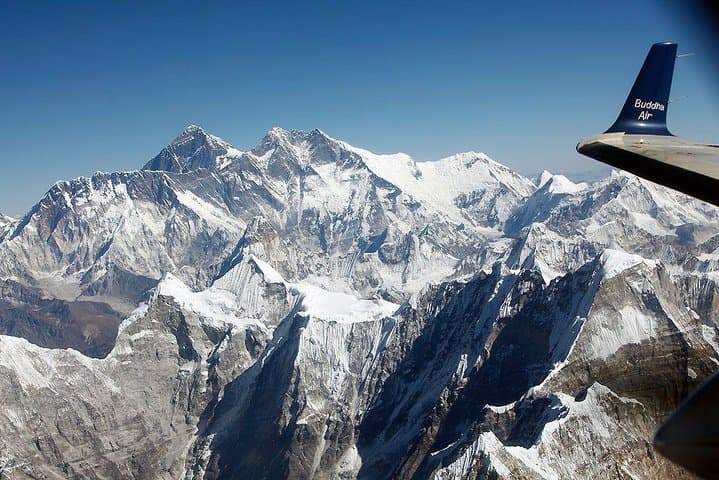
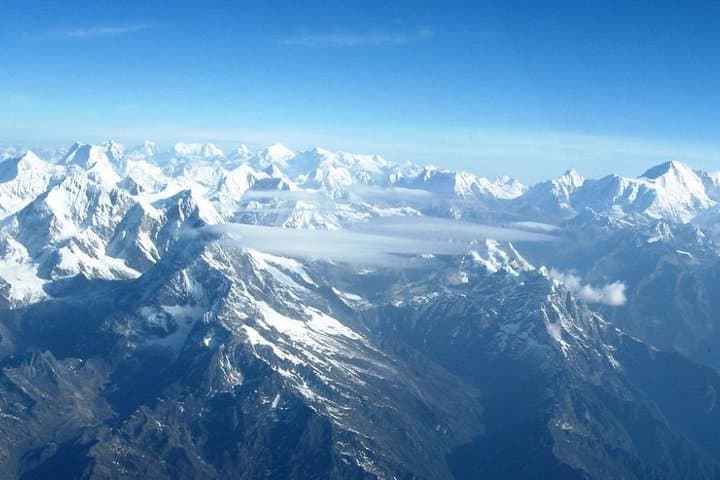
You board before dawn at Tribhuvan International Airport; the air tastes of fuel and prayer-flag incense carried out from the city. As the twin-prop lifts and the Kathmandu Valley slides away, peaks begin to push through the clouds like islands. The aircraft banks slowly and the Himalaya draw closer—sharp ridges, serrated cornices and glaciers catching the first light.
Verified experiences and guided adventures in the surrounding area.
Operated by Walk Mountain Pvt Ltd. · Kathmandu, Bagmati Province
You board before dawn at Tribhuvan International Airport; the air tastes of fuel and prayer-flag incense carried out from the city. As the twin-prop lifts and the Kathmandu Valley slides away, peaks begin to push through the clouds like islands. The aircraft banks slowly and the Himalaya draw closer—sharp ridges, serrated cornices and glaciers catching the first light.
This is a flight over a living geological seam: the Indian plate still pressing north into Eurasia, folding rock and raising peaks that reach 8,848 m at Everest. Names change with language—Sagarmatha to Nepalis, Chomolungma to Tibetans—but the mountains’ presence is constant. The flight traces both natural history and human story: Sherpa communities below, early British reconnaissance flights, and the era-defining 1953 ascent that turned Everest into a global reference.
Expect a focused, panoramic experience rather than a landing. The pilot routes you past Pumori, Nuptse, Cho Oyu and, finally, Everest itself; each mountain seems to lean toward the aircraft, daring you to look longer. Cultural touchpoints—monasteries clinging to slopes, prayer flags, and the local names shouted with reverence—appear in the landscape.
Practical notes: the whole trip runs about three hours including transfers from Kathmandu hotels. Visibility is best in the early morning and in October–November or March–April; weather cancels are common. Bring layers, a windproof jacket and a good camera with a tele lens. Carry original passport for airport procedures, arrive early, and be prepared for a tight, seated cabin—infants sit on laps. The flight is an efficient way to see the high Himalaya if you want the drama of Everest without weeks of trekking.
easy.
3 hours.
Suitable for all fitness levels; you only need to board a small plane and remain seated for the duration.
No—the sightseeing flights circle and provide panoramic views; there is no landing on the summit or in high‑altitude valleys.
Low clouds, heavy winds, and reduced visibility. Operators often cancel for safety and will reschedule when possible.
Yes—this tour typically includes hotel pickup and drop-off in Kathmandu; confirm the pickup window at booking.
Infants are usually allowed but must sit on an adult’s lap; check the operator’s age policy and bring identification for all passengers.
The region has long been home to Sherpa communities; western Himalayan exploration intensified with 20th-century reconnaissance flights and the 1953 ascent by Sir Edmund Hillary and Tenzing Norgay.
Flight tourism can increase noise and fuel use—choose operators that follow waste-minimization and carbon-offset practices and respect local regulations.
Walk Mountain Pvt Ltd. operates guided outdoor trips and adventures with an emphasis on safety, stewardship, and memorable experiences.
You board before dawn at Tribhuvan International Airport; the air tastes of fuel and prayer-flag incense carried out from the city. As the twin-prop lifts and the Kathmandu Valley slides away, peaks begin to push through the clouds like islands. The aircraft banks slowly and the Himalaya draw closer—sharp ridges, serrated cornices and glaciers catching the first light.
You board before dawn at Tribhuvan International Airport; the air tastes of fuel and prayer-flag incense carried out from the city. As the twin-prop lifts and the Kathmandu Valley slides away, peaks begin to push through the clouds like islands. The aircraft banks slowly and the Himalaya draw closer—sharp ridges, serrated cornices and glaciers catching the first light.
This is a flight over a living geological seam: the Indian plate still pressing north into Eurasia, folding rock and raising peaks that reach 8,848 m at Everest. Names change with language—Sagarmatha to Nepalis, Chomolungma to Tibetans—but the mountains’ presence is constant. The flight traces both natural history and human story: Sherpa communities below, early British reconnaissance flights, and the era-defining 1953 ascent that turned Everest into a global reference.
Expect a focused, panoramic experience rather than a landing. The pilot routes you past Pumori, Nuptse, Cho Oyu and, finally, Everest itself; each mountain seems to lean toward the aircraft, daring you to look longer. Cultural touchpoints—monasteries clinging to slopes, prayer flags, and the local names shouted with reverence—appear in the landscape.
Practical notes: the whole trip runs about three hours including transfers from Kathmandu hotels. Visibility is best in the early morning and in October–November or March–April; weather cancels are common. Bring layers, a windproof jacket and a good camera with a tele lens. Carry original passport for airport procedures, arrive early, and be prepared for a tight, seated cabin—infants sit on laps. The flight is an efficient way to see the high Himalaya if you want the drama of Everest without weeks of trekking.