THE ADVENTURE COLLECTIVE® · Independent discovery and booking for outdoor travel

Fly into Lukla and trade Kathmandu’s chaos for high Himalayan trails and lodge comforts. This luxury lodge trek through the Khumbu balances cultural stops, panoramic viewpoints and day hikes to 4,500+m elevations with guided acclimatization and overnight comforts.
Fly into Lukla and trade Kathmandu’s chaos for high Himalayan trails and lodge comforts. This luxury lodge trek through the Khumbu balances cultural stops, panoramic viewpoints and day hikes to 4,500+m elevations with guided acclimatization and overnight comforts.
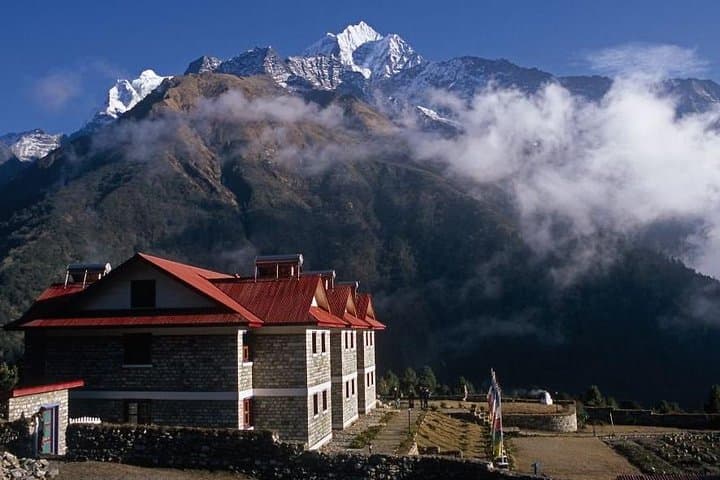
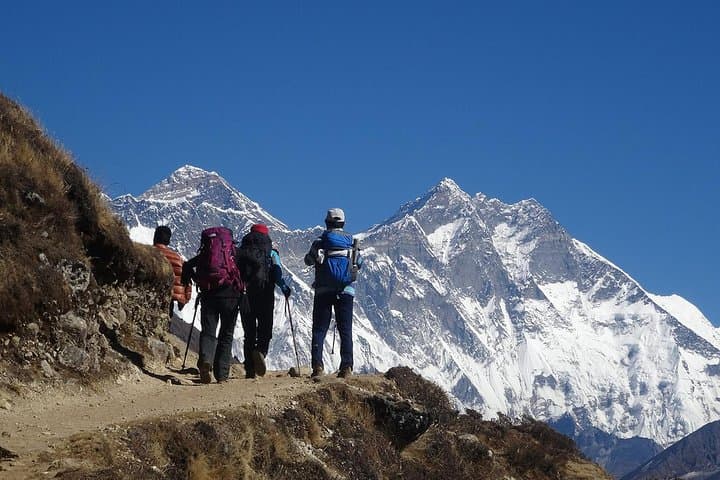
A thin morning light slices the high ridges as a small plane noses toward Lukla’s short runway; the mountains lean in like spectators. Walkers step into a landscape that insists on attention: prayer flags snap directives at each bend, winds push hard on exposed ridgelines, and rhododendron forests open suddenly to hard, glacial valleys. This is the Everest Luxury Trek — a lodge-based journey through the Khumbu that pairs comfort with high-altitude walking.
Verified experiences and guided adventures in the surrounding area.
Operated by Nepal Kailash Trekking · Lukla, Province No. 1
A thin morning light slices the high ridges as a small plane noses toward Lukla’s short runway; the mountains lean in like spectators. Walkers step into a landscape that insists on attention: prayer flags snap directives at each bend, winds push hard on exposed ridgelines, and rhododendron forests open suddenly to hard, glacial valleys. This is the Everest Luxury Trek — a lodge-based journey through the Khumbu that pairs comfort with high-altitude walking.
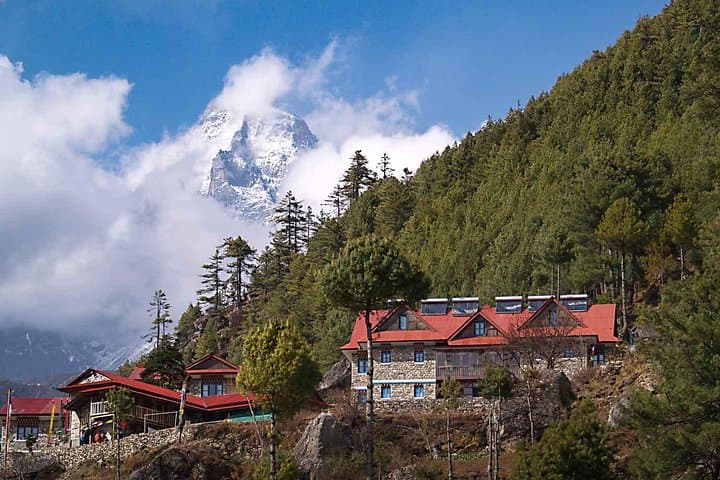
The route threads historic Sherpa villages — Monjo, Namche Bazaar (3,440 m), Tengboche and Pangboche — where centuries-old monasteries and yak caravans map human geography onto a raw, geological one. The valleys are carved from Himalayan thrust faults and glacial moraine; spires of granite and schist rise above hanging glaciers. Cultural notes are visible in mani walls, butter lamps and the warm hospitality of lodge owners whose families have lived here for generations.
Trekkers should expect sustained daily walking: 4–7 hour legs, lodge-to-lodge terrain that alternates rocky trails, wooden bridges and steep staircases, with high points at Hotel Everest View (≈3,869 m) and a side trip to Ama Dablam Base Camp (~4,570 m).
Practical guidance: plan for proper acclimatization days, carry layers for wide temperature swings, and allow buffer time for Lukla flights that are frequently delayed by weather. Footwear with rigid soles, a reliable down jacket, water purification and blister-care supplies keep the days moving. Book permits and respected local guides; the region is protected inside Sagarmatha National Park, and low-impact travel maintains trails and livelihoods.
challenging.
12–14 days.
Good cardiovascular fitness with experience on multiday hikes; comfortable with full-day walks at altitude.
Yes — Sagarmatha National Park permit and TIMS card are required; the operator typically arranges these as part of the package.
They are weather-dependent and often delayed; operators include spare days in itineraries to accommodate cancellations.
Prior multiday trekking experience is helpful; the trek includes days above 3,500 m and a side trip near 4,570 m, so good fitness and acclimatization are required.
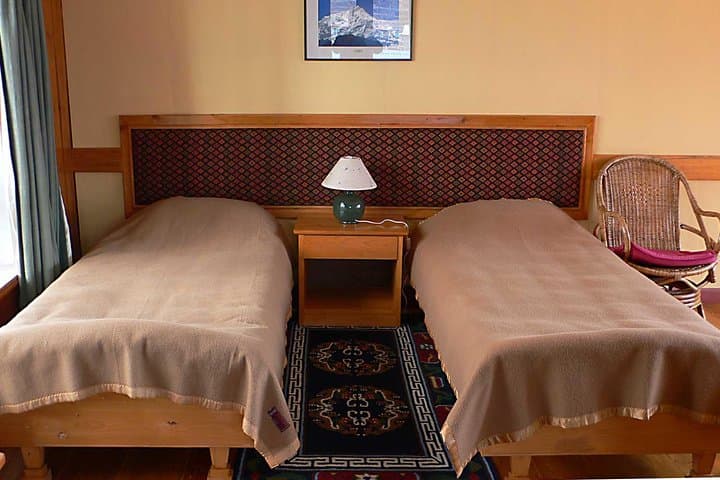
Lodge standard is higher than typical teahouse treks—better rooms, meals and some amenities—but expect basic plumbing and cold showers at higher villages.
The Khumbu has been Sherpa homeland for centuries; Tengboche Monastery dates back to the 17th century and is a spiritual center for mountaineering communities whose lives changed after the 1953 Everest expedition.
The route lies within Sagarmatha National Park; trekkers should follow permit rules, pack out waste where possible, and support lodges that use sewage and solid-waste management to reduce impact.
Nepal Kailash Trekking operates guided outdoor trips and adventures with an emphasis on safety, stewardship, and memorable experiences.
A thin morning light slices the high ridges as a small plane noses toward Lukla’s short runway; the mountains lean in like spectators. Walkers step into a landscape that insists on attention: prayer flags snap directives at each bend, winds push hard on exposed ridgelines, and rhododendron forests open suddenly to hard, glacial valleys. This is the Everest Luxury Trek — a lodge-based journey through the Khumbu that pairs comfort with high-altitude walking.
A thin morning light slices the high ridges as a small plane noses toward Lukla’s short runway; the mountains lean in like spectators. Walkers step into a landscape that insists on attention: prayer flags snap directives at each bend, winds push hard on exposed ridgelines, and rhododendron forests open suddenly to hard, glacial valleys. This is the Everest Luxury Trek — a lodge-based journey through the Khumbu that pairs comfort with high-altitude walking.
The route threads historic Sherpa villages — Monjo, Namche Bazaar (3,440 m), Tengboche and Pangboche — where centuries-old monasteries and yak caravans map human geography onto a raw, geological one. The valleys are carved from Himalayan thrust faults and glacial moraine; spires of granite and schist rise above hanging glaciers. Cultural notes are visible in mani walls, butter lamps and the warm hospitality of lodge owners whose families have lived here for generations.
Trekkers should expect sustained daily walking: 4–7 hour legs, lodge-to-lodge terrain that alternates rocky trails, wooden bridges and steep staircases, with high points at Hotel Everest View (≈3,869 m) and a side trip to Ama Dablam Base Camp (~4,570 m).
Practical guidance: plan for proper acclimatization days, carry layers for wide temperature swings, and allow buffer time for Lukla flights that are frequently delayed by weather. Footwear with rigid soles, a reliable down jacket, water purification and blister-care supplies keep the days moving. Book permits and respected local guides; the region is protected inside Sagarmatha National Park, and low-impact travel maintains trails and livelihoods.