THE ADVENTURE COLLECTIVE® · Independent discovery and booking for outdoor travel

Fly from Kathmandu to Kala Patthar for a close-up view of Mount Everest without days of trekking. This 4–6 hour helicopter tour offers panoramic glacier views, a tea stop with Sherpas, and optional landings at high-altitude vantage points.
Fly from Kathmandu to Kala Patthar for a close-up view of Mount Everest without days of trekking. This 4–6 hour helicopter tour offers panoramic glacier views, a tea stop with Sherpas, and optional landings at high-altitude vantage points.
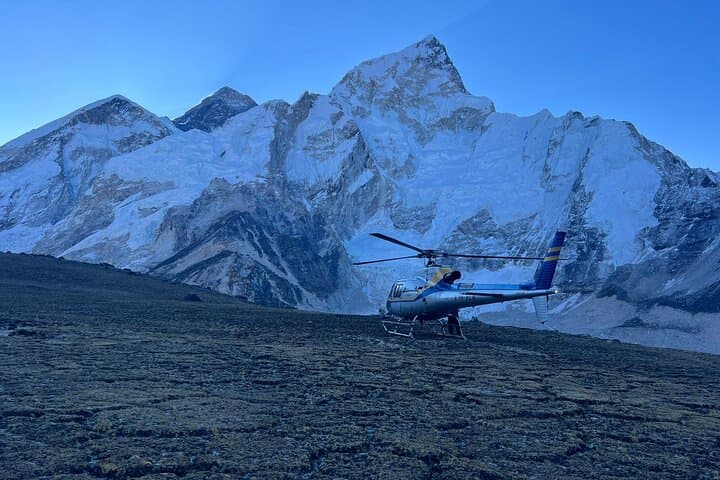
The chopper lifts off Kathmandu and the valley folds away beneath you—concrete gives way to ridgelines, then a high, crystalline silence as the peaks pull into focus. Clouds tuck into the gullies, and ahead, Everest peels itself into view: a steep, snow-sculpted spine crowned with wind-scoured cornices. Your pilot eases the helicopter toward Kalapatthar, the raw balcony where Everest, Lhotse and Nuptse display themselves in full profile.
Verified experiences and guided adventures in the surrounding area.
Operated by Himalayan Scenery Treks and Expedition - Private Day Tours · Gorak Shep, Province No. 1
The chopper lifts off Kathmandu and the valley folds away beneath you—concrete gives way to ridgelines, then a high, crystalline silence as the peaks pull into focus. Clouds tuck into the gullies, and ahead, Everest peels itself into view: a steep, snow-sculpted spine crowned with wind-scoured cornices. Your pilot eases the helicopter toward Kalapatthar, the raw balcony where Everest, Lhotse and Nuptse display themselves in full profile.
This vantage point has become a 20th‑century pilgrimage, born of Himalayan exploration and the 1953 first ascent by Edmund Hillary and Tenzing Norgay. Geologically, you’re looking at the rising collision zone where the Indian plate shoves under Asia—massive folded strata sheared into glacial ice that still grinds the Khumbu Glacier below.
Culturally the approach threads Sherpa villages and prayer flags; landings or brief walks on the moraines are often accompanied by local guides serving tea and sharing stories of high camps and rescues. Expect thin air and intense light—the landscape demands respect.
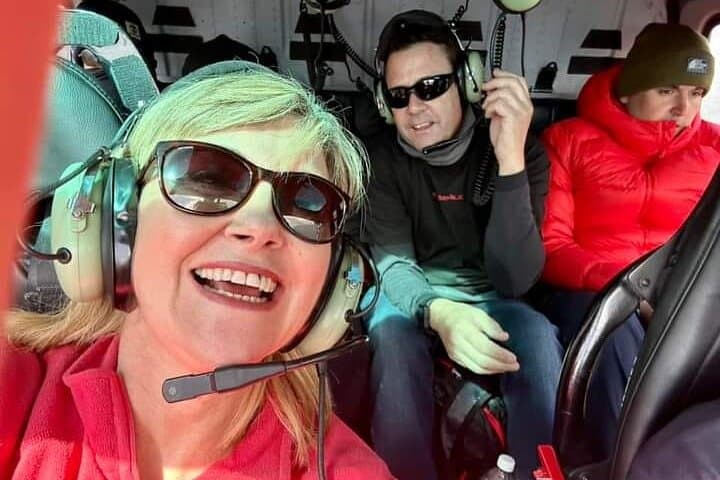
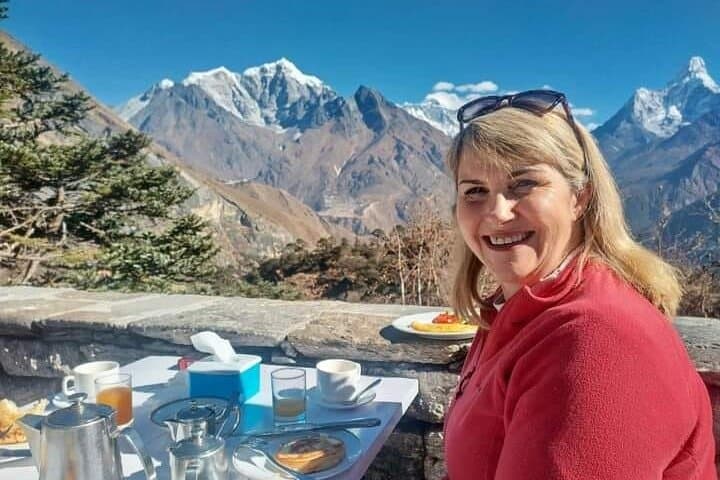
Practical guidance: flights run 4–6 hours including stops at Lukla/Phakding refuel points and a photo break at Hotel Everest View. Weather dictates schedules; mornings generally offer the best visibility. Dress in insulated layers, prepare for rapid temperature swings, and carry ID and any required medical info—oxygen cylinders are standard on-board but altitude effects can still affect sensitive travelers. Bring a camera with spare batteries and a compact daypack for a short walk if a landing is permitted. This is an efficient, high-impact way to see Everest without multi-week trekking, but it’s still high-altitude travel—plan accordingly.
easy.
4–6 hours.
No prolonged hiking required but travelers should tolerate short walks at high elevation and be in reasonable health.
Landings at Kala Patthar are occasionally permitted depending on weather and regulations; Everest Base Camp is usually overflown without landing unless special permissions exist.
Plan for 4–6 hours total, including airport transfers, refuel stops (e.g., Tenzing-Hillary Airport), short ground time at viewpoints, and return flight.
Operators generally allow children but pregnant travelers and those with heart or serious medical conditions are advised not to fly due to altitude and rapid pressure changes—check with your doctor and the operator.
Some people experience mild symptoms (headache, breathlessness) even during brief stops above 5,000 m; the helicopter carries oxygen and crew monitor passengers, but disclose any health problems beforehand.
Kala Patthar rose to prominence with Everest-era exploration; the region’s Sherpa communities developed as high‑altitude guides and support for early expeditions.
The Khumbu is ecologically fragile—minimize waste, respect local trails and cultural sites, and note that helicopter flights increase carbon footprint, so consider offsetting emissions.
Himalayan Scenery Treks and Expedition - Private Day Tours operates guided outdoor trips and adventures with an emphasis on safety, stewardship, and memorable experiences.
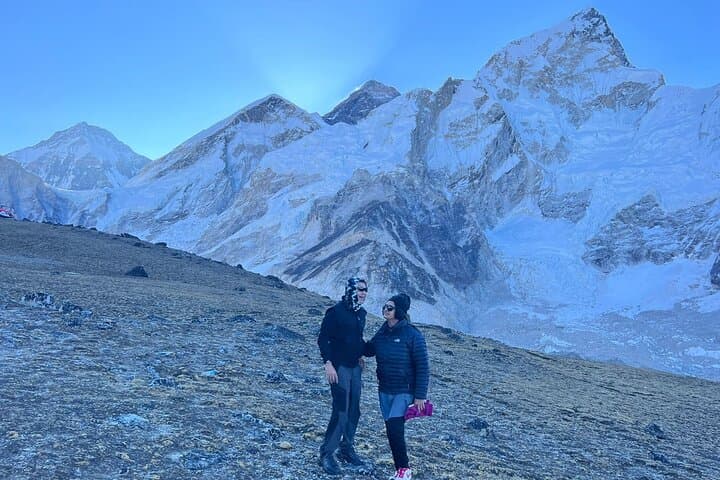
The chopper lifts off Kathmandu and the valley folds away beneath you—concrete gives way to ridgelines, then a high, crystalline silence as the peaks pull into focus. Clouds tuck into the gullies, and ahead, Everest peels itself into view: a steep, snow-sculpted spine crowned with wind-scoured cornices. Your pilot eases the helicopter toward Kalapatthar, the raw balcony where Everest, Lhotse and Nuptse display themselves in full profile.
The chopper lifts off Kathmandu and the valley folds away beneath you—concrete gives way to ridgelines, then a high, crystalline silence as the peaks pull into focus. Clouds tuck into the gullies, and ahead, Everest peels itself into view: a steep, snow-sculpted spine crowned with wind-scoured cornices. Your pilot eases the helicopter toward Kalapatthar, the raw balcony where Everest, Lhotse and Nuptse display themselves in full profile.
This vantage point has become a 20th‑century pilgrimage, born of Himalayan exploration and the 1953 first ascent by Edmund Hillary and Tenzing Norgay. Geologically, you’re looking at the rising collision zone where the Indian plate shoves under Asia—massive folded strata sheared into glacial ice that still grinds the Khumbu Glacier below.
Culturally the approach threads Sherpa villages and prayer flags; landings or brief walks on the moraines are often accompanied by local guides serving tea and sharing stories of high camps and rescues. Expect thin air and intense light—the landscape demands respect.
Practical guidance: flights run 4–6 hours including stops at Lukla/Phakding refuel points and a photo break at Hotel Everest View. Weather dictates schedules; mornings generally offer the best visibility. Dress in insulated layers, prepare for rapid temperature swings, and carry ID and any required medical info—oxygen cylinders are standard on-board but altitude effects can still affect sensitive travelers. Bring a camera with spare batteries and a compact daypack for a short walk if a landing is permitted. This is an efficient, high-impact way to see Everest without multi-week trekking, but it’s still high-altitude travel—plan accordingly.