THE ADVENTURE COLLECTIVE® · Independent discovery and booking for outdoor travel

A 12-day high-altitude loop that reaches Gokyo’s fifth lakes and Gokyo Ri, this trek combines Sherpa culture, glacial vistas and strenuous climbs. Expect steep stone steps, moraine travel and essential acclimatization days en route to 5,357 m.
A 12-day high-altitude loop that reaches Gokyo’s fifth lakes and Gokyo Ri, this trek combines Sherpa culture, glacial vistas and strenuous climbs. Expect steep stone steps, moraine travel and essential acclimatization days en route to 5,357 m.
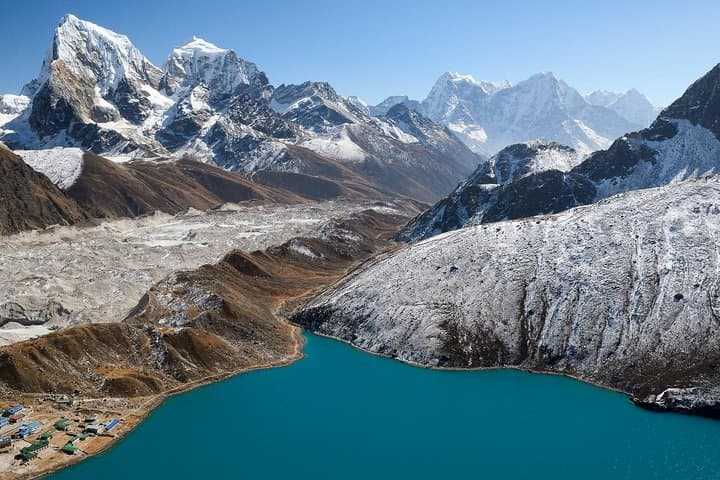
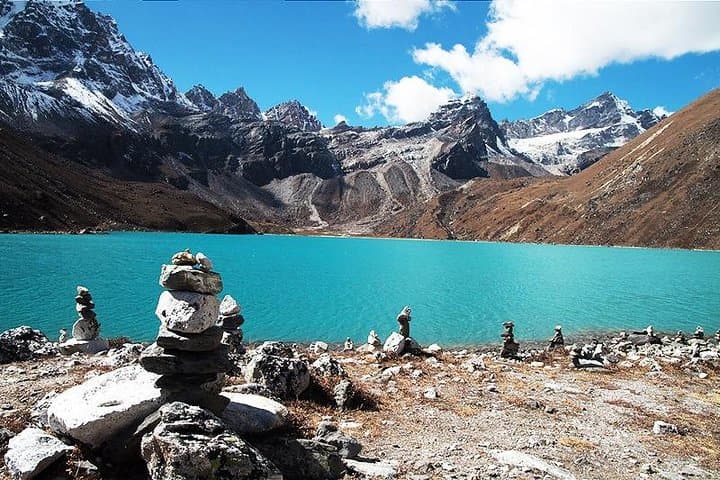
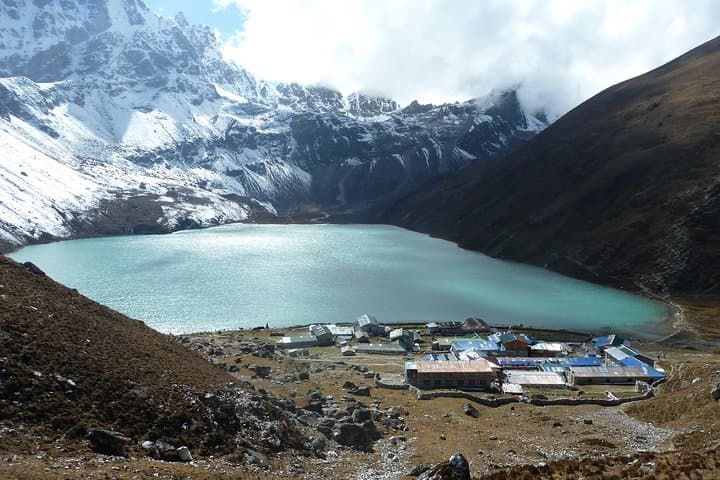
Morning light on the high moraine turns the Gokyo lakes into sheets of glass; trekkers set out with steaming tea from a tea-house and a skyline of jagged summits above. The route climbs from Lukla through Sherpa villages and river crossings, threading rhododendron forests before opening onto the wide, glacial basin that holds the fifth-century lakes and the Ngozumpa Glacier.
Verified experiences and guided adventures in the surrounding area.
Operated by Trekking Organizer Company in Nepal · Gokyo, Province No. 1 (Solukhumbu)
Morning light on the high moraine turns the Gokyo lakes into sheets of glass; trekkers set out with steaming tea from a tea-house and a skyline of jagged summits above. The route climbs from Lukla through Sherpa villages and river crossings, threading rhododendron forests before opening onto the wide, glacial basin that holds the fifth-century lakes and the Ngozumpa Glacier.
The trek moves through Sagarmatha National Park, a geological classroom of moraine, icefall and uplifted rock where the Ngozumpa Glacier—one of the largest in the Himalayas—pushes southward. Gokyo is a spiritual place: Dudh Pokhari and the lakes are venerated by Hindus and Buddhists as the residence of Nag Devta (the snake god), and small gompas and mani walls mark longstanding Sherpa practices. Villages like Namche and Khumjung grew as trade and mountaineering hubs; you’ll pass Hillary schools and prayer flags that signal both culture and survival at altitude.
Practically, expect 4–8 hours of trekking on most days, with altitude gain concentrated on acclimatization legs (Namche rest day and Gokyo Ri climb to 5,357 m). Trails vary from packed dirt and stone staircases to loose moraine; appropriate boots and layers are essential. Permits (Sagarmatha National Park and TIMS) are required and commonly arranged by operators. Water should be treated or boiled; aim for slow ascents and extra rest days if any symptoms of altitude appear. Flights to and from Lukla are weather-dependent—build flexibility into travel plans.
challenging.
12 days.
Good cardiovascular fitness and experience with multiday trekking at elevation; must handle long days and steep stone staircases.
Yes—Sagarmatha National Park entry and a TIMS card are required; most operators include these in the package.
Gokyo Ri is a steep 1–2 hour ascent from Gokyo village to 5,357 m; it's strenuous mainly due to altitude rather than technical difficulty.
Yes—the route is serviced by tea-houses offering basic food, hot drinks and simple beds; expect communal dining and limited hot-water availability.
Regulations require permits but not necessarily a guide, though hiring a guide/porter is strongly recommended for navigation, logistics and altitude-risk management.
The Khumbu valley developed as a trade and pilgrimage corridor; Gokyo lakes have long religious significance for local Hindus and Buddhists and form part of Sagarmatha National Park (est. 1976).
Trail erosion and glacial retreat are active concerns; stick to marked trails, minimize plastic use and support local tea-houses to promote sustainable tourism.
Trekking Organizer Company in Nepal operates guided outdoor trips and adventures with an emphasis on safety, stewardship, and memorable experiences.
Morning light on the high moraine turns the Gokyo lakes into sheets of glass; trekkers set out with steaming tea from a tea-house and a skyline of jagged summits above. The route climbs from Lukla through Sherpa villages and river crossings, threading rhododendron forests before opening onto the wide, glacial basin that holds the fifth-century lakes and the Ngozumpa Glacier.
Morning light on the high moraine turns the Gokyo lakes into sheets of glass; trekkers set out with steaming tea from a tea-house and a skyline of jagged summits above. The route climbs from Lukla through Sherpa villages and river crossings, threading rhododendron forests before opening onto the wide, glacial basin that holds the fifth-century lakes and the Ngozumpa Glacier.
The trek moves through Sagarmatha National Park, a geological classroom of moraine, icefall and uplifted rock where the Ngozumpa Glacier—one of the largest in the Himalayas—pushes southward. Gokyo is a spiritual place: Dudh Pokhari and the lakes are venerated by Hindus and Buddhists as the residence of Nag Devta (the snake god), and small gompas and mani walls mark longstanding Sherpa practices. Villages like Namche and Khumjung grew as trade and mountaineering hubs; you’ll pass Hillary schools and prayer flags that signal both culture and survival at altitude.
Practically, expect 4–8 hours of trekking on most days, with altitude gain concentrated on acclimatization legs (Namche rest day and Gokyo Ri climb to 5,357 m). Trails vary from packed dirt and stone staircases to loose moraine; appropriate boots and layers are essential. Permits (Sagarmatha National Park and TIMS) are required and commonly arranged by operators. Water should be treated or boiled; aim for slow ascents and extra rest days if any symptoms of altitude appear. Flights to and from Lukla are weather-dependent—build flexibility into travel plans.