THE ADVENTURE COLLECTIVE® · Independent discovery and booking for outdoor travel

Combine daily guided yoga with the classic Everest Base Camp route on this 15-day trek. Expect high-altitude teahouse nights, acclimatization days in Namche and Dingboche, and sunrise climbs to Kala Patthar.
Combine daily guided yoga with the classic Everest Base Camp route on this 15-day trek. Expect high-altitude teahouse nights, acclimatization days in Namche and Dingboche, and sunrise climbs to Kala Patthar.
The day begins before dawn in Kathmandu, when the city’s humming fades and your group gathers with down jackets and yoga mats. A short, dramatic flight into Lukla drops you into thin air and the trail—rivers daring you onward, prayer flags snapping like exhalations. Each morning of the trek, an instructor leads a brief practice that steadies breath and legs before the climb.
Verified experiences and guided adventures in the surrounding area.
Operated by Trekking Planner Nepal · Kathmandu, Bagmati Province
The day begins before dawn in Kathmandu, when the city’s humming fades and your group gathers with down jackets and yoga mats. A short, dramatic flight into Lukla drops you into thin air and the trail—rivers daring you onward, prayer flags snapping like exhalations. Each morning of the trek, an instructor leads a brief practice that steadies breath and legs before the climb.
This route follows the classic Khumbu passage used by sherpas and traders for centuries and now threaded with base-camp tents and teahouses. Geologically the trail climbs glacial valleys carved by the Khumbu Glacier; sheer moraines and black moraine ridges give way to sweeping views of Everest, Lhotse and Ama Dablam. Culturally, villages like Namche Bazaar and Tengboche are Sherpa hubs centered on monasteries where mani wheels and ritual chants mark time.
Expect steep stone steps, high passes, and days that range from four to six hours of walking; altitude is the variable to respect. Practical notes: hydrate deliberately, layer for rapid temperature swings, and use trekking poles to protect knees on long descents. The yoga component is lightweight—breath work, mobility and guided stretching—designed to support acclimatization rather than replace standard high-altitude preparation.
Plan for spring or autumn weather windows, bring a warm sleeping liner for teahouses above 4,000 m, and build in rest days at Namche and Dingboche for acclimatization. With steady pacing and sensible gear, the trek delivers both physical challenge and daily chances to center under the Himalaya’s vast, indifferent sky.
challenging.
15 days.
Good aerobic fitness with experience on multi-day hikes; ability to carry a 10–12 kg daypack and walk 4–6 hours daily at altitude
No—sessions focus on breath, mobility and gentle stretches tailored for trekkers; they support acclimatization rather than advanced practice.
Altitude is the main risk—follow rest days, ascend slowly, recognize symptoms of AMS, and communicate with guides; descent is the primary treatment.
Teahouse-style lodges with basic twin rooms are used; amenities vary by village and become spartan above 4,000 m.
Yes, but charging is limited and often costs extra; bring a power bank and spare batteries for cameras and headlamps.
The Khumbu has been a Sherpa trade corridor for centuries; modern trekking grew after the first Everest expeditions in the 1950s and the establishment of Sagarmatha National Park in 1976.
Sagarmatha National Park regulates permits and works with communities on waste management; visitors should pack out non-biodegradables and use designated toilets where available.
Trekking Planner Nepal operates guided outdoor trips and adventures with an emphasis on safety, stewardship, and memorable experiences.
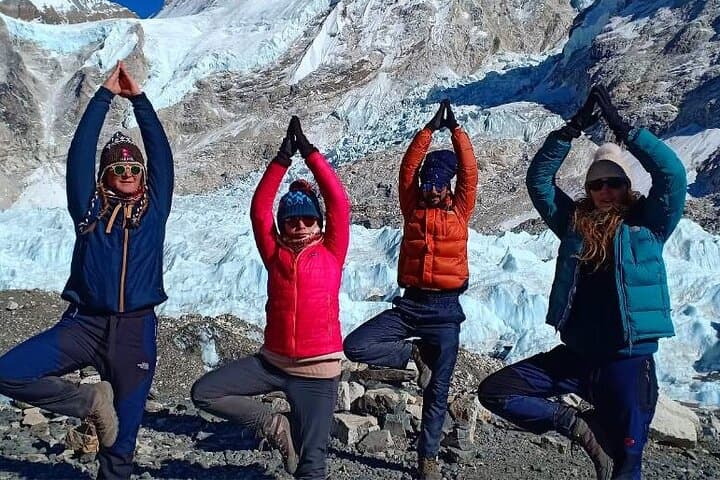
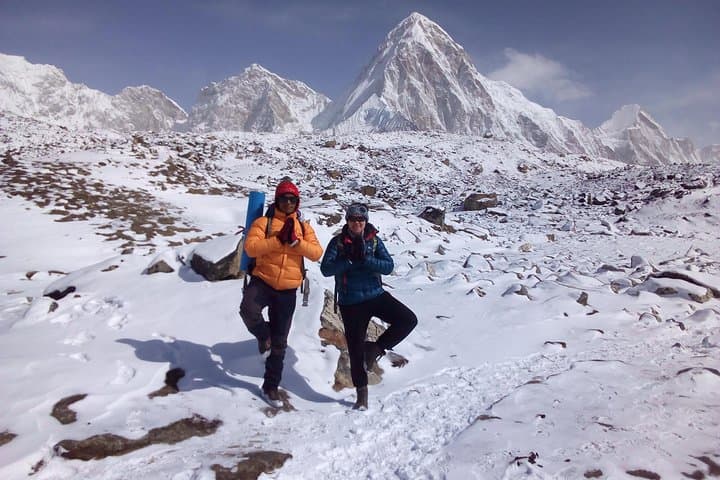
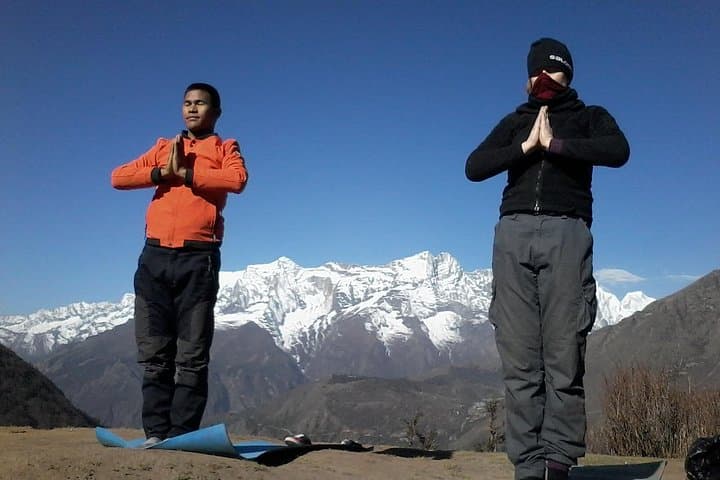
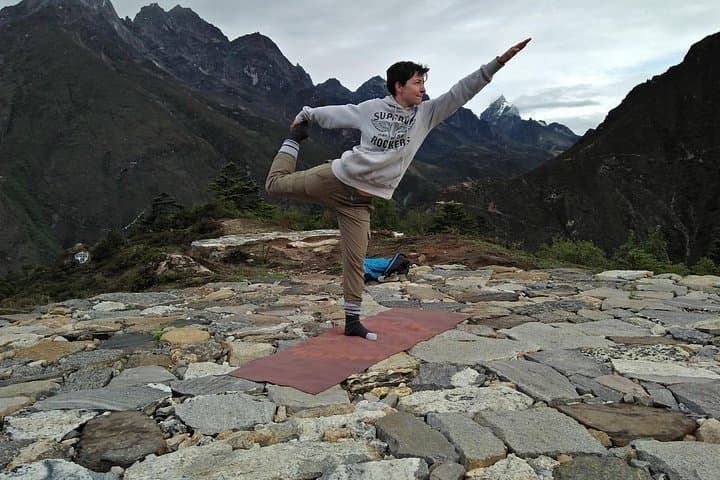
The day begins before dawn in Kathmandu, when the city’s humming fades and your group gathers with down jackets and yoga mats. A short, dramatic flight into Lukla drops you into thin air and the trail—rivers daring you onward, prayer flags snapping like exhalations. Each morning of the trek, an instructor leads a brief practice that steadies breath and legs before the climb.
The day begins before dawn in Kathmandu, when the city’s humming fades and your group gathers with down jackets and yoga mats. A short, dramatic flight into Lukla drops you into thin air and the trail—rivers daring you onward, prayer flags snapping like exhalations. Each morning of the trek, an instructor leads a brief practice that steadies breath and legs before the climb.
This route follows the classic Khumbu passage used by sherpas and traders for centuries and now threaded with base-camp tents and teahouses. Geologically the trail climbs glacial valleys carved by the Khumbu Glacier; sheer moraines and black moraine ridges give way to sweeping views of Everest, Lhotse and Ama Dablam. Culturally, villages like Namche Bazaar and Tengboche are Sherpa hubs centered on monasteries where mani wheels and ritual chants mark time.
Expect steep stone steps, high passes, and days that range from four to six hours of walking; altitude is the variable to respect. Practical notes: hydrate deliberately, layer for rapid temperature swings, and use trekking poles to protect knees on long descents. The yoga component is lightweight—breath work, mobility and guided stretching—designed to support acclimatization rather than replace standard high-altitude preparation.
Plan for spring or autumn weather windows, bring a warm sleeping liner for teahouses above 4,000 m, and build in rest days at Namche and Dingboche for acclimatization. With steady pacing and sensible gear, the trek delivers both physical challenge and daily chances to center under the Himalaya’s vast, indifferent sky.