THE ADVENTURE COLLECTIVE® · Independent discovery and booking for outdoor travel

Fly to Lukla, steady your breathing, and walk through Sherpa villages into the shadow of Everest. This guide explains what to expect on the classic Everest Base Camp trek—terrain, culture, logistics, and practical preparation.
Fly to Lukla, steady your breathing, and walk through Sherpa villages into the shadow of Everest. This guide explains what to expect on the classic Everest Base Camp trek—terrain, culture, logistics, and practical preparation.
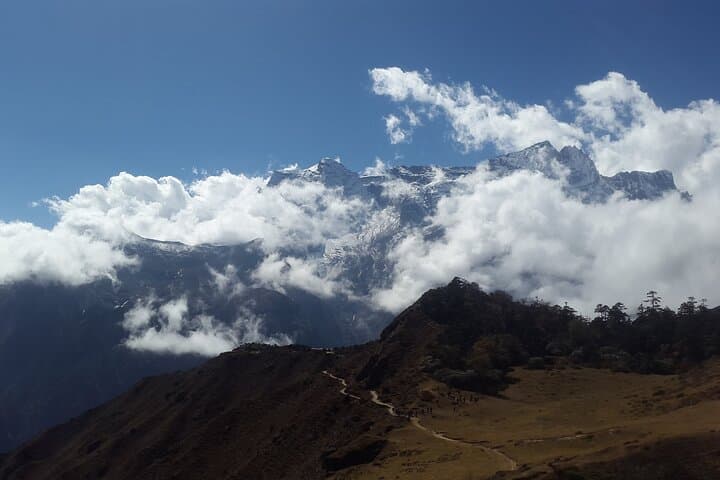
Dawn breaks over Kathmandu’s chaotic streets and, hours later, the plane threads a ribbon of clouds to Lukla’s tabletop runway. From that first step onto crunchy Himalayan soil the trek becomes a ledger of altitudes and landscapes: pine and rhododendron slopes give way to stark moraine, prayer flags snap where glaciers begin, and the air thins with each village you pass.
Verified experiences and guided adventures in the surrounding area.
Operated by Go Nepal Travel · Lukla, Province No. 1
Dawn breaks over Kathmandu’s chaotic streets and, hours later, the plane threads a ribbon of clouds to Lukla’s tabletop runway. From that first step onto crunchy Himalayan soil the trek becomes a ledger of altitudes and landscapes: pine and rhododendron slopes give way to stark moraine, prayer flags snap where glaciers begin, and the air thins with each village you pass.
The route follows ancient trade and pilgrimage corridors through Sagarmatha (Everest) National Park, a UNESCO World Heritage site established to protect high‑altitude ecosystems and Sherpa culture. Geology here is raw—metamorphic rocks and terminal moraines of the Khumbu Glacier sculpt the valley—and the villages reflect a centuries‑old blend of Tibetan and Nepali influences centered on monasteries, mani walls and seasonal agriculture.
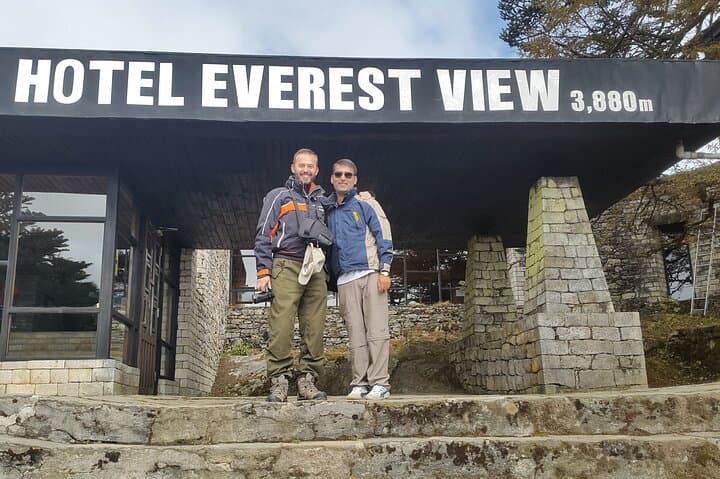
Expect tea houses with basic comforts, shared meals, and sudden, wide mountain views; Tengboche and Khumjung offer cultural stops that illuminate local life. Acclimatization days in Namche and Dingboche reduce altitude risk and reward hikers with accessible high‑ridge walks.
Practically, the trek demands steady fitness, layered clothing for extreme temperature swings, and planning for casual comforts (chargers, cash, toiletries). Flights to/from Lukla are weather‑dependent; build buffer days. Porters and guides are standard—respect their load limits and tip fairly. Water treatment and a quality sleeping bag are non‑negotiable for warmth and sanitation.
In short: the Everest Base Camp trek is strenuous and straightforward—an altitude challenge that pays off in glacier vistas, Himalayan rituals, and a clear sense of travel earned step by step.
challenging.
14–16 days.
Good cardiovascular fitness and experience with multi‑day hikes at altitude; ability to carry a daypack for 6–7 hours a day.
Yes—Sagarmatha National Park entry permit and a TIMS card are required; these are usually arranged by your operator.
Pre‑monsoon (March–May) and post‑monsoon (September–November) offer the most stable weather and clear views.
Altitude sickness is a real risk; follow acclimatization schedules, hydrate, and descend if symptoms worsen—guides carry oxygen and evacuation plans.
Lukla flights are short but weather‑sensitive; cancellations are common—allow extra travel days and fly early when possible.
The Khumbu route evolved from trade paths and pilgrimage routes used by Tibetan‑Nepali communities and later by climbers during the 20th‑century Everest expeditions.
Sagarmatha National Park protects fragile alpine habitats; trekkers should pack out waste, use refillable bottles, and support local lodges that follow sustainable practices.
Go Nepal Travel operates guided outdoor trips and adventures with an emphasis on safety, stewardship, and memorable experiences.
Dawn breaks over Kathmandu’s chaotic streets and, hours later, the plane threads a ribbon of clouds to Lukla’s tabletop runway. From that first step onto crunchy Himalayan soil the trek becomes a ledger of altitudes and landscapes: pine and rhododendron slopes give way to stark moraine, prayer flags snap where glaciers begin, and the air thins with each village you pass.
Dawn breaks over Kathmandu’s chaotic streets and, hours later, the plane threads a ribbon of clouds to Lukla’s tabletop runway. From that first step onto crunchy Himalayan soil the trek becomes a ledger of altitudes and landscapes: pine and rhododendron slopes give way to stark moraine, prayer flags snap where glaciers begin, and the air thins with each village you pass.
The route follows ancient trade and pilgrimage corridors through Sagarmatha (Everest) National Park, a UNESCO World Heritage site established to protect high‑altitude ecosystems and Sherpa culture. Geology here is raw—metamorphic rocks and terminal moraines of the Khumbu Glacier sculpt the valley—and the villages reflect a centuries‑old blend of Tibetan and Nepali influences centered on monasteries, mani walls and seasonal agriculture.
Expect tea houses with basic comforts, shared meals, and sudden, wide mountain views; Tengboche and Khumjung offer cultural stops that illuminate local life. Acclimatization days in Namche and Dingboche reduce altitude risk and reward hikers with accessible high‑ridge walks.
Practically, the trek demands steady fitness, layered clothing for extreme temperature swings, and planning for casual comforts (chargers, cash, toiletries). Flights to/from Lukla are weather‑dependent; build buffer days. Porters and guides are standard—respect their load limits and tip fairly. Water treatment and a quality sleeping bag are non‑negotiable for warmth and sanitation.
In short: the Everest Base Camp trek is strenuous and straightforward—an altitude challenge that pays off in glacier vistas, Himalayan rituals, and a clear sense of travel earned step by step.