THE ADVENTURE COLLECTIVE® · Independent discovery and booking for outdoor travel

A classic 16-day Everest Base Camp trek that pairs high‑altitude trekking through Sagarmatha National Park with luxury stays in Kathmandu. Expect long acclimatization days, flight-dependent logistics to Lukla, and dramatic panoramas from Kala Patthar and the base camp.
A classic 16-day Everest Base Camp trek that pairs high‑altitude trekking through Sagarmatha National Park with luxury stays in Kathmandu. Expect long acclimatization days, flight-dependent logistics to Lukla, and dramatic panoramas from Kala Patthar and the base camp.
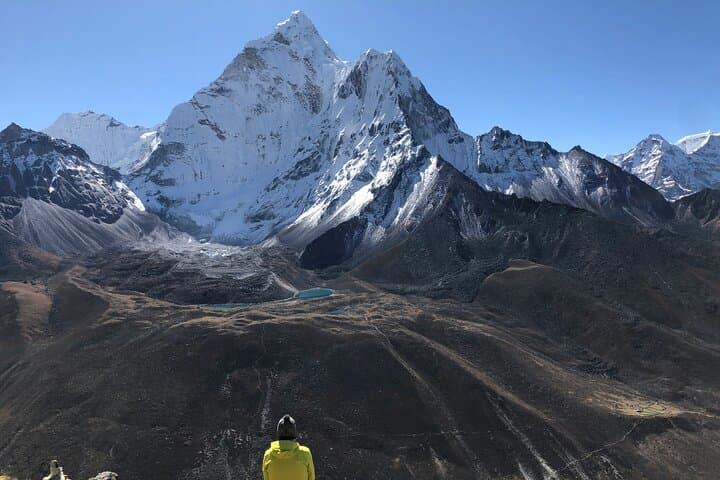
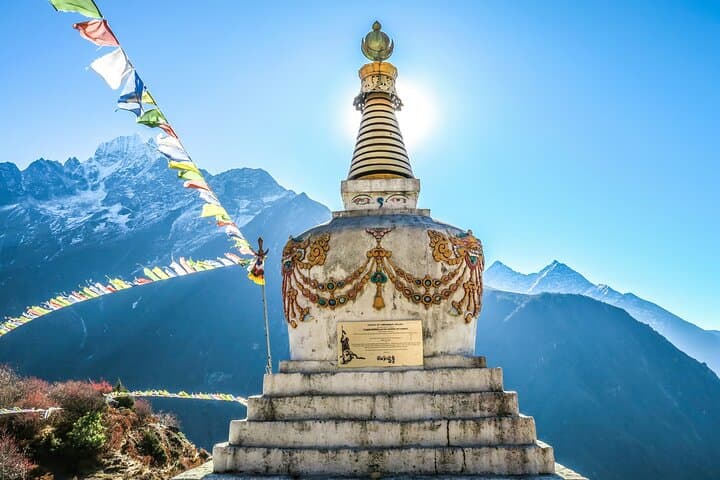
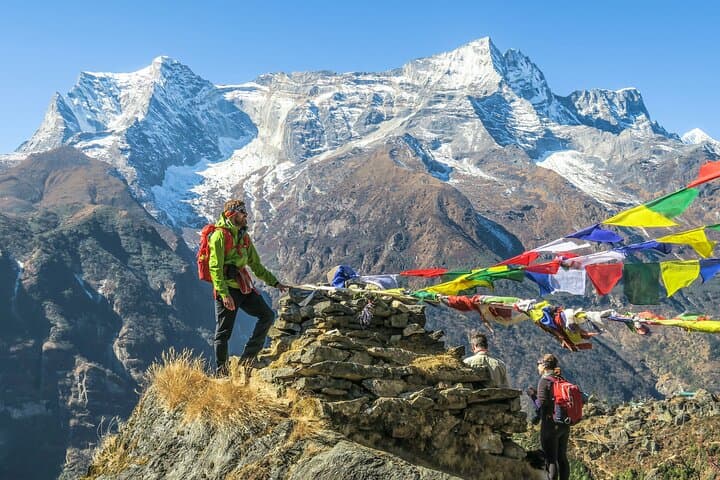
Snow-dry air bites the face before dawn as the plane banks toward Lukla’s short runway; below, the Khumbu Valley opens into a sequence of ridgelines and prayer flags that seem to pull the trail forward. This 16-day itinerary pairs the classical route—Lukla, Namche, Tengboche, Dingboche, Lobuche, Gorak Shep, Kala Patthar and Everest Base Camp—with pre- and post-trek comfort in Kathmandu, including a night at Gokarna Forest Resort.
Verified experiences and guided adventures in the surrounding area.
Operated by Vyas Treks & Expedition · Kathmandu, Bagmati Province
Snow-dry air bites the face before dawn as the plane banks toward Lukla’s short runway; below, the Khumbu Valley opens into a sequence of ridgelines and prayer flags that seem to pull the trail forward. This 16-day itinerary pairs the classical route—Lukla, Namche, Tengboche, Dingboche, Lobuche, Gorak Shep, Kala Patthar and Everest Base Camp—with pre- and post-trek comfort in Kathmandu, including a night at Gokarna Forest Resort.
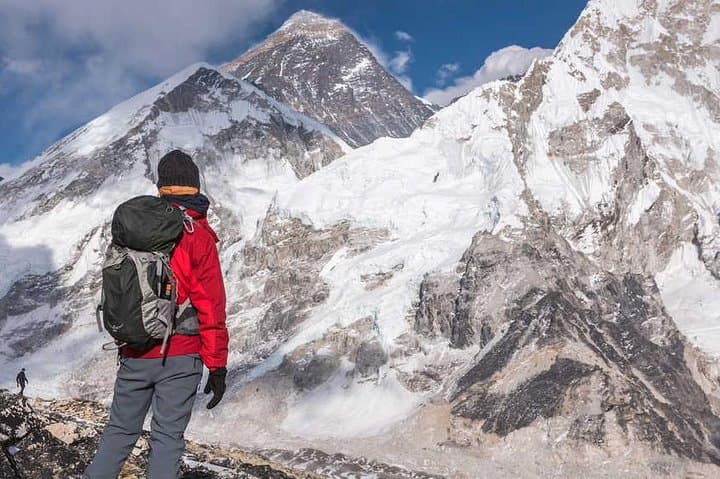
The route runs through Sagarmatha (Everest) National Park, created to protect high‑altitude ecosystems and Sherpa cultural sites. Geologically, trekkers cross glacial moraines and moraine‑fed streams of the Khumbu Glacier; Kala Patthar’s black rock offers the clearest panoramic view of Everest’s south face. Sherpa villages—Namche, Khumjung and Pangboche—preserve Tibetan Buddhism, prayer wheels and mani stones; Tengboche Monastery is a regional spiritual hub.
Practically, expect long days at altitude (a maximum sleeping elevation around 5,170–5,545 m on this route) and basic guesthouse accommodations on the trail. Flights to Lukla are weather dependent; buffer days are wise. Hydration, gradual ascent, and a down jacket for pre‑dawn climbs (Kala Patthar) are essential. Footwear should be stiff‑soled, broken in, and paired with hiking poles for rocky moraine sections. Permits (TIMS and Sagarmatha National Park) are required; local operators handle logistics, porters and altitude monitoring.
This itinerary is for trekkers ready for sustained high‑altitude hiking who value a guided, supportive logistic chain and a touch of luxury in Kathmandu before and after the mountain section.
challenging.
16 days.
Good cardiovascular fitness with prior multi‑day trekking experience; comfortable hiking 5–7 hours over rough ground and steep ascents at altitude.
Yes—TIMS (Trekkers’ Information Management System) and Sagarmatha National Park permits are required; your operator typically secures them before departure.
The Lukla flight is short but weather-dependent and can be turbulent; airlines have strict weight limits and delays are common—plan buffers in your itinerary.
Sleeping elevations range up to about 5,170–5,545 m; follow staged acclimatization, hydrate, avoid alcohol, and communicate symptoms to your guide—descent is the most effective treatment for AMS.
Accommodations on the trail are basic guesthouses with shared facilities; the trip includes a luxurious stay in Kathmandu before/after the trek for added comfort.
The Khumbu region is home to the Sherpa people and contains Sagarmatha National Park, protected since the 1970s; climbing history here is entwined with early Everest expeditions and local mountaineering guides.
The high‑alpine environment is fragile—stick to trails, use refillable water systems, and follow local guidelines to minimize human waste and trail erosion.
Vyas Treks & Expedition operates guided outdoor trips and adventures with an emphasis on safety, stewardship, and memorable experiences.
Snow-dry air bites the face before dawn as the plane banks toward Lukla’s short runway; below, the Khumbu Valley opens into a sequence of ridgelines and prayer flags that seem to pull the trail forward. This 16-day itinerary pairs the classical route—Lukla, Namche, Tengboche, Dingboche, Lobuche, Gorak Shep, Kala Patthar and Everest Base Camp—with pre- and post-trek comfort in Kathmandu, including a night at Gokarna Forest Resort.
Snow-dry air bites the face before dawn as the plane banks toward Lukla’s short runway; below, the Khumbu Valley opens into a sequence of ridgelines and prayer flags that seem to pull the trail forward. This 16-day itinerary pairs the classical route—Lukla, Namche, Tengboche, Dingboche, Lobuche, Gorak Shep, Kala Patthar and Everest Base Camp—with pre- and post-trek comfort in Kathmandu, including a night at Gokarna Forest Resort.
The route runs through Sagarmatha (Everest) National Park, created to protect high‑altitude ecosystems and Sherpa cultural sites. Geologically, trekkers cross glacial moraines and moraine‑fed streams of the Khumbu Glacier; Kala Patthar’s black rock offers the clearest panoramic view of Everest’s south face. Sherpa villages—Namche, Khumjung and Pangboche—preserve Tibetan Buddhism, prayer wheels and mani stones; Tengboche Monastery is a regional spiritual hub.
Practically, expect long days at altitude (a maximum sleeping elevation around 5,170–5,545 m on this route) and basic guesthouse accommodations on the trail. Flights to Lukla are weather dependent; buffer days are wise. Hydration, gradual ascent, and a down jacket for pre‑dawn climbs (Kala Patthar) are essential. Footwear should be stiff‑soled, broken in, and paired with hiking poles for rocky moraine sections. Permits (TIMS and Sagarmatha National Park) are required; local operators handle logistics, porters and altitude monitoring.
This itinerary is for trekkers ready for sustained high‑altitude hiking who value a guided, supportive logistic chain and a touch of luxury in Kathmandu before and after the mountain section.