THE ADVENTURE COLLECTIVE® · Independent discovery and booking for outdoor travel

Fly into Lukla and walk through Sherpa villages, rhododendron forests and moraine fields to reach Everest Base Camp and Kala Patthar. This guided teahouse trek balances high-altitude challenge with comforts in Kathmandu and local lodge stays.
Fly into Lukla and walk through Sherpa villages, rhododendron forests and moraine fields to reach Everest Base Camp and Kala Patthar. This guided teahouse trek balances high-altitude challenge with comforts in Kathmandu and local lodge stays.
The trail begins before dawn: a short, dramatic flight from Kathmandu drops you into Lukla’s thin air and a tarmac runway clinging to the ridge. From there the route threads pine forests, suspension bridges and stone-walled fields, rising through Sherpa villages to Namche Bazaar and onward across moraines toward the gray, wind-scoured amphitheater of Gorak Shep and Everest Base Camp.
Verified experiences and guided adventures in the surrounding area.
Operated by Luxury Holidays Nepal Pvt. Ltd. · Kathmandu, Bagmati Province
The trail begins before dawn: a short, dramatic flight from Kathmandu drops you into Lukla’s thin air and a tarmac runway clinging to the ridge. From there the route threads pine forests, suspension bridges and stone-walled fields, rising through Sherpa villages to Namche Bazaar and onward across moraines toward the gray, wind-scoured amphitheater of Gorak Shep and Everest Base Camp.
The trek follows the cultural spine of the Khumbu, inside Sagarmatha (Everest) National Park — a UNESCO site protecting alpine glaciers, moraine fields and high-altitude villages with deep Sherpa Buddhist roots. Geologically the route traverses young Himalayan uplift: glacial tills, jagged moraine ridges and exposed granite shaped by seasonal freeze-thaw. Along the way monasteries, prayer flags and mani stones mark a landscape where mountaineering history — early expeditions and local climbing legends — meets daily subsistence farming.
Expect long walking days (4–7 hours typical once acclimatized), teahouse accommodations with simple hot meals, intermittent cell coverage and steady elevation gain to 5,364 m at Base Camp and 5,545 m at Kala Patthar.
Practical notes: acclimatization days in Namche and Dingboche are built into the plan; hydrate, eat calorie-rich meals and monitor symptoms of altitude sickness. Sturdy boots, layered insulation and a quality down jacket for pre-dawn summit views are essential. Flights to and from Lukla are weather-dependent; allow buffer days around your international itinerary. Guides and porters manage logistics, but personal preparation — fitness, layered clothing and respect for high-altitude pacing — determines comfort and safety on this classic Himalayan trek.
challenging.
14–15 days.
Good aerobic fitness; ability to walk 4–7 hours a day on uneven terrain and handle sustained altitude.
No technical climbing skills are required; this is a high-altitude trek on established trails, though good fitness and altitude awareness are essential.
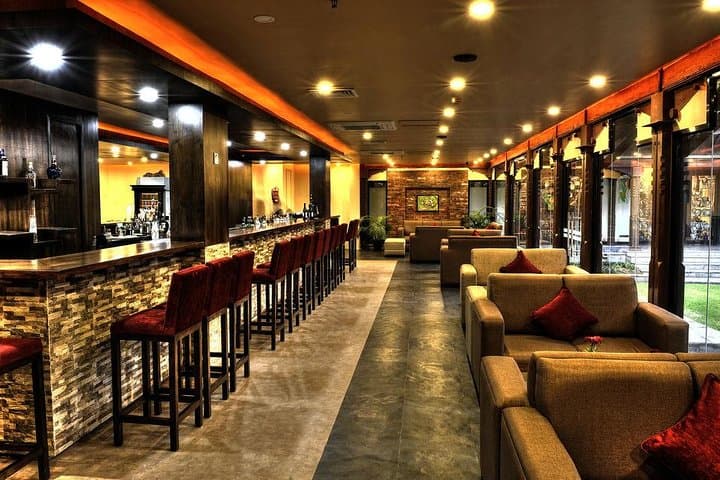
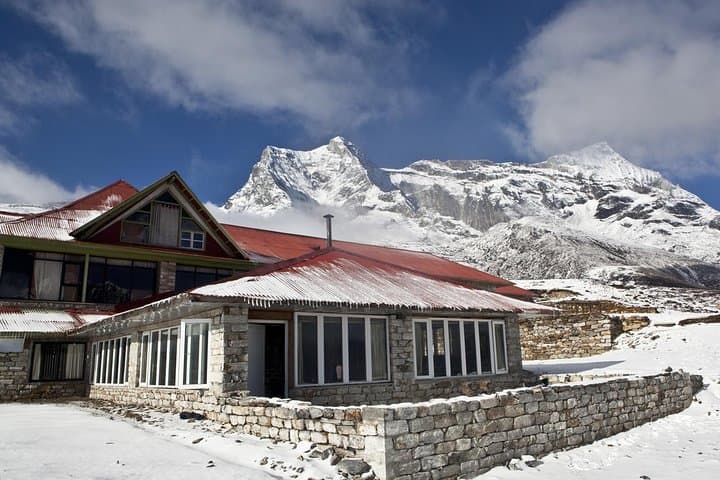
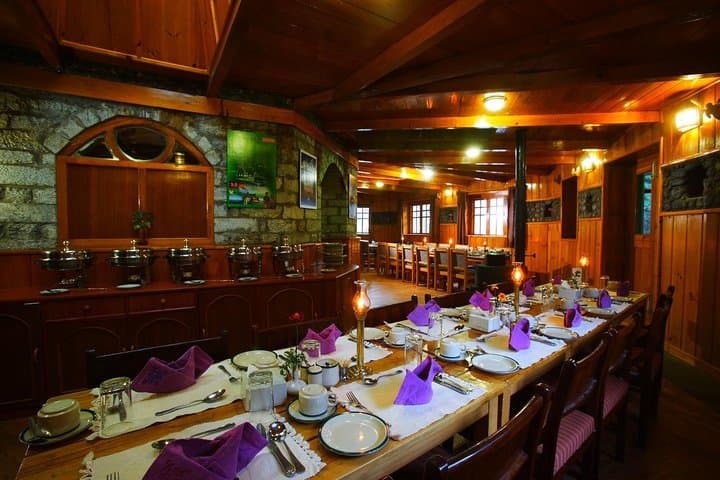
Yes, night-to-night lodge (teahouse) accommodation is provided during the trek; standards are basic but heated dining areas and hot meals are typical.
Most walking days range from 3–7 hours; acclimatization days include shorter day-hikes to gain elevation gradually.
The itinerary builds some flexibility, but flight cancellations can cause delays—operators typically rebook flights and may adjust the schedule; budget extra buffer time for international connections.
The Khumbu route developed from ancient trade and pilgrimage paths and later became the gateway for 20th-century Everest expeditions.
Sagarmatha National Park restricts trekking routes and requires permits (TIMS, national park permit); trekkers should carry out waste, use refillable water, and support local lodges to minimize impact.
Luxury Holidays Nepal Pvt. Ltd. operates guided outdoor trips and adventures with an emphasis on safety, stewardship, and memorable experiences.
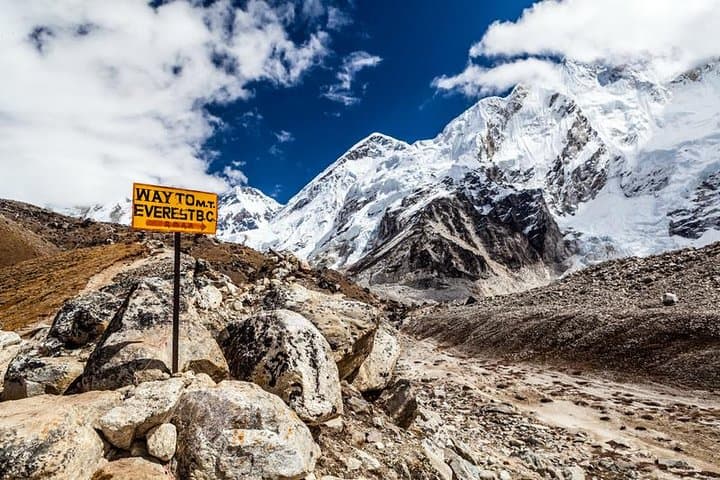
The trail begins before dawn: a short, dramatic flight from Kathmandu drops you into Lukla’s thin air and a tarmac runway clinging to the ridge. From there the route threads pine forests, suspension bridges and stone-walled fields, rising through Sherpa villages to Namche Bazaar and onward across moraines toward the gray, wind-scoured amphitheater of Gorak Shep and Everest Base Camp.
The trail begins before dawn: a short, dramatic flight from Kathmandu drops you into Lukla’s thin air and a tarmac runway clinging to the ridge. From there the route threads pine forests, suspension bridges and stone-walled fields, rising through Sherpa villages to Namche Bazaar and onward across moraines toward the gray, wind-scoured amphitheater of Gorak Shep and Everest Base Camp.
The trek follows the cultural spine of the Khumbu, inside Sagarmatha (Everest) National Park — a UNESCO site protecting alpine glaciers, moraine fields and high-altitude villages with deep Sherpa Buddhist roots. Geologically the route traverses young Himalayan uplift: glacial tills, jagged moraine ridges and exposed granite shaped by seasonal freeze-thaw. Along the way monasteries, prayer flags and mani stones mark a landscape where mountaineering history — early expeditions and local climbing legends — meets daily subsistence farming.
Expect long walking days (4–7 hours typical once acclimatized), teahouse accommodations with simple hot meals, intermittent cell coverage and steady elevation gain to 5,364 m at Base Camp and 5,545 m at Kala Patthar.
Practical notes: acclimatization days in Namche and Dingboche are built into the plan; hydrate, eat calorie-rich meals and monitor symptoms of altitude sickness. Sturdy boots, layered insulation and a quality down jacket for pre-dawn summit views are essential. Flights to and from Lukla are weather-dependent; allow buffer days around your international itinerary. Guides and porters manage logistics, but personal preparation — fitness, layered clothing and respect for high-altitude pacing — determines comfort and safety on this classic Himalayan trek.