THE ADVENTURE COLLECTIVE® · Independent discovery and booking for outdoor travel

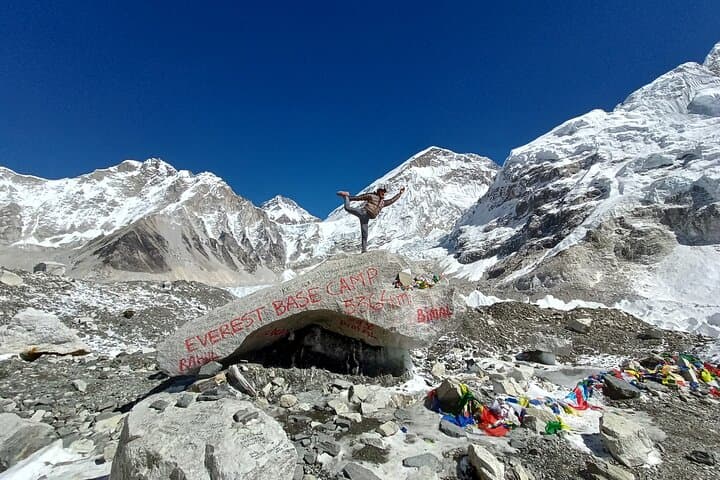
Fly into Lukla and follow a classic high-altitude route through the Khumbu Valley to Everest Base Camp. This guided 14-day journey combines dramatic glacial scenery, Sherpa culture, and careful acclimatization to reach 5,364 m.
Fly into Lukla and follow a classic high-altitude route through the Khumbu Valley to Everest Base Camp. This guided 14-day journey combines dramatic glacial scenery, Sherpa culture, and careful acclimatization to reach 5,364 m.
The plane drops you into a slab of sky and stone: Lukla’s short runway, prayer flags snapping, and a jagged corridor of peaks framing the airstrip. From there the trail threads down to the Dudh Koshi River, climbs through pine forests, and opens into the Khumbu Valley where prayer wheels and stone mani walls mark each village.
Verified experiences and guided adventures in the surrounding area.
Operated by Happy Mountain Nepal · Lukla, Province No. 1
The plane drops you into a slab of sky and stone: Lukla’s short runway, prayer flags snapping, and a jagged corridor of peaks framing the airstrip. From there the trail threads down to the Dudh Koshi River, climbs through pine forests, and opens into the Khumbu Valley where prayer wheels and stone mani walls mark each village.
Geology here is dramatic and recent in geological terms — the rising collision of the Indian and Eurasian plates has thrust marine sediments into sharp, glaciated peaks. The Khumbu has long been home to Sherpa communities who migrated from Tibet and who still steward high-altitude trade routes and monasteries such as Tengboche.
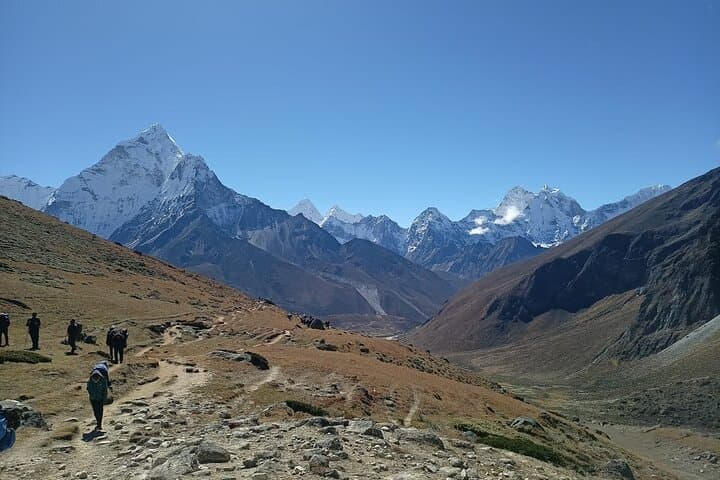
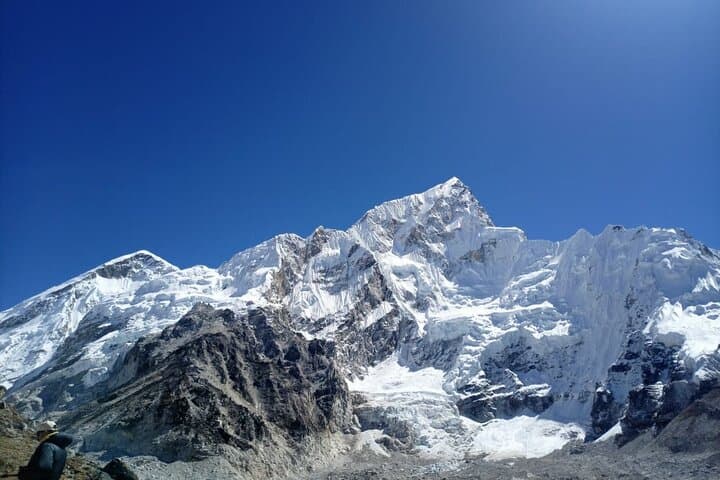
On a 14-day guided itinerary, trekkers move deliberately to gain altitude: typical nights take you from Lukla (~2,860 m) through Namche Bazaar and on toward Everest Base Camp (5,364 m). Expect braided glacial valleys, moraine ridges, and views of Everest, Lhotse, and Ama Dablam. Cultural stops often include Tengboche Monastery and local teahouses where Sherpa hospitality is part of the rhythm.
Practically, this is a high-altitude trek that rewards conservative pacing and acclimatization. Daily walking averages 4–7 hours on rocky, sometimes icy trails; the Lukla flight is weather-dependent and can be delayed. Permits (Sagarmatha National Park, TIMS), experienced guides, layered clothing, and proper hydration are essential. Plan buffer days in Kathmandu for flight contingencies, hire licensed guides and porters to reduce altitude strain, and follow Leave No Trace principles to protect fragile alpine ecosystems.
challenging.
12–14 days.
Good cardiovascular fitness with experience on multi-day hikes; comfortable carrying a daypack and walking 4–7 hours/day.
Yes — you need a Sagarmatha National Park permit and a TIMS card, typically arranged by your operator.
Everest Base Camp is about 5,364 m (17,598 ft); the trek is non-technical but physically demanding due to altitude and long days.
Spring (March–May) and autumn (September–November) offer the most stable weather and clear mountain views.
Independent trekking is possible but not recommended due to logistics, permits, and changing mountain weather; guides and porters significantly improve safety and comfort.
The Khumbu Valley was settled by Sherpas who migrated from Tibet; the region rose to prominence in mountaineering after early expeditions led to the first Everest ascent in 1953 by Edmund Hillary and Tenzing Norgay.
Glacial retreat and trekking waste are pressing issues; use local operators who follow waste-management practices and support community-based conservation.
Happy Mountain Nepal operates guided outdoor trips and adventures with an emphasis on safety, stewardship, and memorable experiences.
The plane drops you into a slab of sky and stone: Lukla’s short runway, prayer flags snapping, and a jagged corridor of peaks framing the airstrip. From there the trail threads down to the Dudh Koshi River, climbs through pine forests, and opens into the Khumbu Valley where prayer wheels and stone mani walls mark each village.
The plane drops you into a slab of sky and stone: Lukla’s short runway, prayer flags snapping, and a jagged corridor of peaks framing the airstrip. From there the trail threads down to the Dudh Koshi River, climbs through pine forests, and opens into the Khumbu Valley where prayer wheels and stone mani walls mark each village.
Geology here is dramatic and recent in geological terms — the rising collision of the Indian and Eurasian plates has thrust marine sediments into sharp, glaciated peaks. The Khumbu has long been home to Sherpa communities who migrated from Tibet and who still steward high-altitude trade routes and monasteries such as Tengboche.
On a 14-day guided itinerary, trekkers move deliberately to gain altitude: typical nights take you from Lukla (~2,860 m) through Namche Bazaar and on toward Everest Base Camp (5,364 m). Expect braided glacial valleys, moraine ridges, and views of Everest, Lhotse, and Ama Dablam. Cultural stops often include Tengboche Monastery and local teahouses where Sherpa hospitality is part of the rhythm.
Practically, this is a high-altitude trek that rewards conservative pacing and acclimatization. Daily walking averages 4–7 hours on rocky, sometimes icy trails; the Lukla flight is weather-dependent and can be delayed. Permits (Sagarmatha National Park, TIMS), experienced guides, layered clothing, and proper hydration are essential. Plan buffer days in Kathmandu for flight contingencies, hire licensed guides and porters to reduce altitude strain, and follow Leave No Trace principles to protect fragile alpine ecosystems.