THE ADVENTURE COLLECTIVE® · Independent discovery and booking for outdoor travel

Fly into Lukla, hike through Sherpa villages and glaciers, stand at Everest Base Camp and return to Kathmandu by helicopter. This 9‑day itinerary balances acclimatization with a time‑saving aerial exit for a concentrated high‑altitude experience.
Fly into Lukla, hike through Sherpa villages and glaciers, stand at Everest Base Camp and return to Kathmandu by helicopter. This 9‑day itinerary balances acclimatization with a time‑saving aerial exit for a concentrated high‑altitude experience.
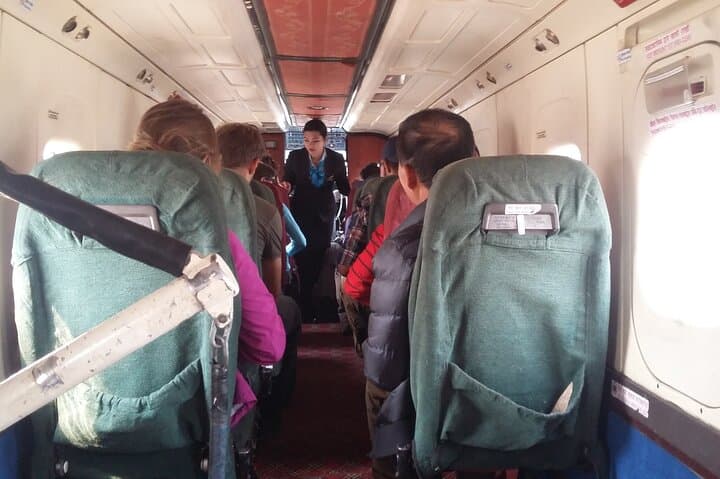
The path begins on a small, adrenaline-tinged flight into Lukla where the mountains lean in close and the wind dares you to step out. From timbered valley trails to rocky, high-altitude benches, the trek climbs through rhododendron forests and Sherpa villages, each prayer flag a marker of passage and purpose.
Verified experiences and guided adventures in the surrounding area.
Operated by Everest Trekking and Tours · Gorak Shep, Province No. 1
The path begins on a small, adrenaline-tinged flight into Lukla where the mountains lean in close and the wind dares you to step out. From timbered valley trails to rocky, high-altitude benches, the trek climbs through rhododendron forests and Sherpa villages, each prayer flag a marker of passage and purpose.
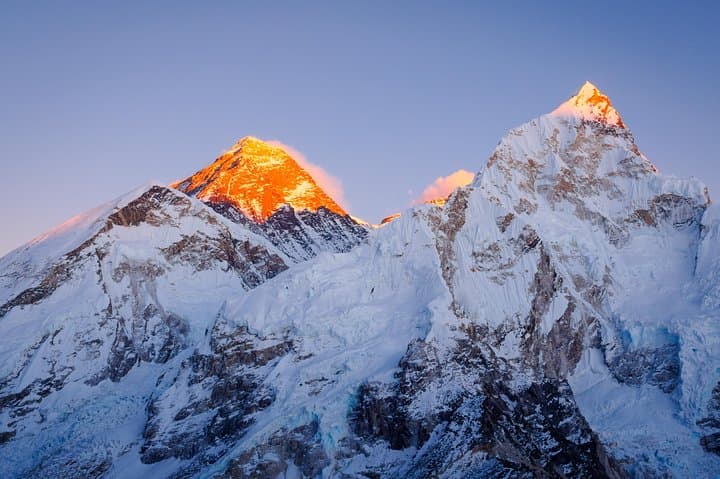
The Khumbu’s story is written in stone and ice: tectonic uplift that thrust the Himalaya skyward, ancient glaciers carving the valleys and leaving behind moraines you cross like pages. Sagarmatha (Everest) National Park—both a cultural heartland for Sherpa communities and a protected landscape—holds monasteries, chortens and a history tied to the first summit attempts of the 1950s.
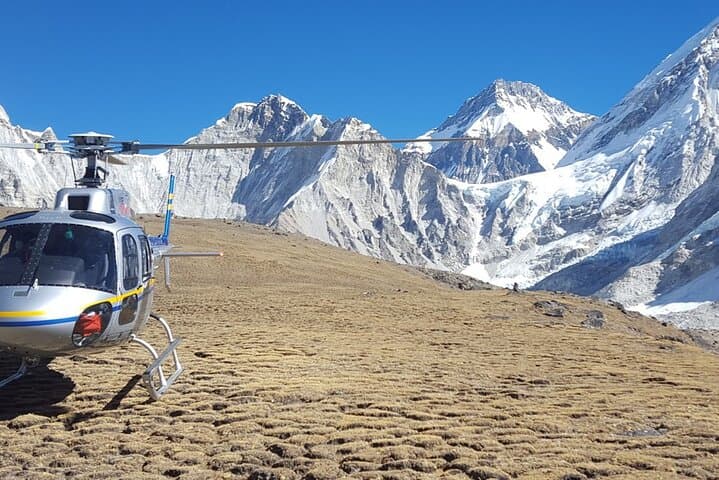
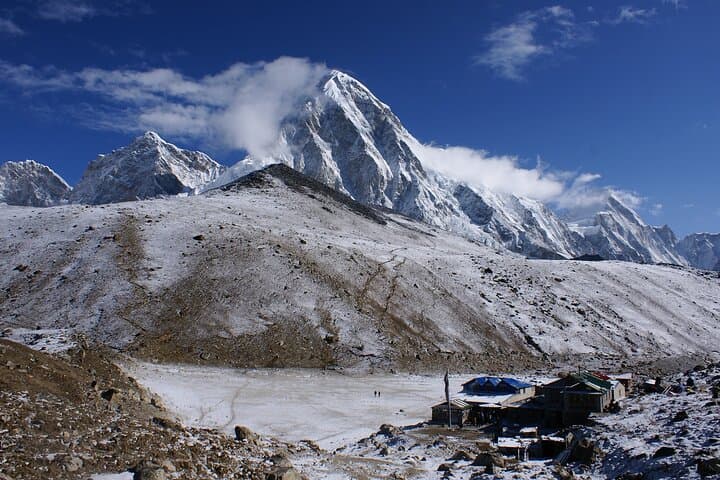
Expect close encounters with high-mountain geology: the Khumbu Glacier’s crevassed snout, powdery moraines and the black rock of the high ridgelines. Sherpa culture is practical and welcoming; tea houses, local kitchens and monastery visits are woven into rest days used for acclimatization. The helicopter return from Gorak Shep rewrites logistics—allowing a shorter total itinerary while still demanding careful altitude management on ascent.
Practically: plan for 8–9 days on trail with two key acclimatization stops (Namche and Dingboche), layered clothing, reliable boots and a steady pace. Hydration, sun protection, and a porter to share load will make altitude gains manageable. Book the Lukla flight with a weather cushion and carry permits for Sagarmatha National Park. With preparation, this itinerary packs classic high-altitude scenery and Sherpa hospitality into a concentrated, unforgettable Himalayan journey.
challenging.
8–9 days on trail (total 9 days itinerary).
Good cardiovascular fitness and stamina for consecutive days of uphill hiking to 5,300–5,600 m; prior multi‑day trekking experience recommended
No; the itinerary is a high‑altitude trek rather than a technical climb, but it requires strong fitness and acclimatization.
You need the Sagarmatha National Park permit and a TIMS card, typically arranged by your operator before the trek.
The helicopter from Gorak Shep to Kathmandu is around 30–40 minutes, weather dependent, offering dramatic aerial views of the high peaks.
Beginners should have prior multi‑day hiking experience and accept the physiological stress of rapid altitude gain; consider longer itineraries for safer acclimatization.
The Khumbu has been the homeland of Sherpa communities for centuries and became internationally famous after the 1953 Everest ascent; Sagarmatha National Park was designated in the 1970s and later listed as a UNESCO site.
Permits and park fees fund conservation and local infrastructure; stick to marked trails, avoid single‑use plastics and use local lodges to support the economy.
Everest Trekking and Tours operates guided outdoor trips and adventures with an emphasis on safety, stewardship, and memorable experiences.
The path begins on a small, adrenaline-tinged flight into Lukla where the mountains lean in close and the wind dares you to step out. From timbered valley trails to rocky, high-altitude benches, the trek climbs through rhododendron forests and Sherpa villages, each prayer flag a marker of passage and purpose.
The path begins on a small, adrenaline-tinged flight into Lukla where the mountains lean in close and the wind dares you to step out. From timbered valley trails to rocky, high-altitude benches, the trek climbs through rhododendron forests and Sherpa villages, each prayer flag a marker of passage and purpose.
The Khumbu’s story is written in stone and ice: tectonic uplift that thrust the Himalaya skyward, ancient glaciers carving the valleys and leaving behind moraines you cross like pages. Sagarmatha (Everest) National Park—both a cultural heartland for Sherpa communities and a protected landscape—holds monasteries, chortens and a history tied to the first summit attempts of the 1950s.
Expect close encounters with high-mountain geology: the Khumbu Glacier’s crevassed snout, powdery moraines and the black rock of the high ridgelines. Sherpa culture is practical and welcoming; tea houses, local kitchens and monastery visits are woven into rest days used for acclimatization. The helicopter return from Gorak Shep rewrites logistics—allowing a shorter total itinerary while still demanding careful altitude management on ascent.
Practically: plan for 8–9 days on trail with two key acclimatization stops (Namche and Dingboche), layered clothing, reliable boots and a steady pace. Hydration, sun protection, and a porter to share load will make altitude gains manageable. Book the Lukla flight with a weather cushion and carry permits for Sagarmatha National Park. With preparation, this itinerary packs classic high-altitude scenery and Sherpa hospitality into a concentrated, unforgettable Himalayan journey.